Hyundai Motor Group now has a single brand for vehicle-to-everything energy — AllDayEnergy — but a brand is not yet a backup system. Announced in late July 2026, AllDayEnergy gathers smart charging (V1G), vehicle-to-grid (V2G) and vehicle-to-home (V2H) under one name, delivered through the Hyundai and Kia owner apps. The rollout is staged: the first step, in the United Kingdom in the second half of 2026, is V1G only. If you need power for your home during an outage today, V2H is still a later phase — not something you can switch on now.
AllDayEnergy is a service brand, not a new car and not a standalone product. That distinction matters. Hyundai Motor Group is consolidating previously scattered energy services into one global name, reached through the apps owners already use.
The direction itself is easy to applaud: treating a parked electric car as a mobile battery that charges when electricity is cheap, feeds power back when it is valuable, and keeps a home running during an outage would change how households think about transport and energy. The question for a buyer is not whether the direction is right. It is how much of it is actually available, where, and when.
V1G First: What Smart Charging Can and Cannot DoThe first phase is V1G, launching first in the United Kingdom through the Kia app in the second half of 2026. V1G is smart, one-way charging: the car still only takes power from the grid, but charging timing is adjusted to real-time prices and grid conditions — charge overnight when prices are low, pause when the grid is strained.
That is a real benefit: smarter charging lowers running costs and helps the grid absorb more renewable energy. But V1G cannot power your home. No matter how clever the schedule is, energy still flows one way only — into the car. A home that loses grid power gains nothing from V1G, because V1G has no way to send power back out. Reading AllDayEnergy as "my car can now back up my house" is reading one phase ahead of the rollout.
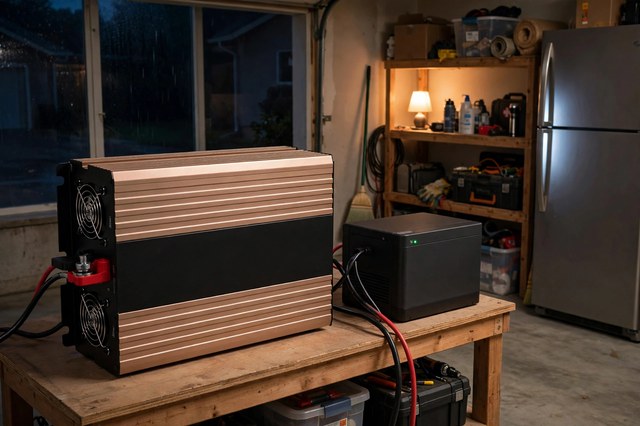
V2G and V2H come in later phases. V2G sends power back to the grid, typically for payment or credit; V2H sends power into a home, keeping lights, a fridge and other essentials running during an outage. Both need a compatible car, compatible home hardware, a supporting tariff and grid rules allowing two-way flow — which is why they arrive after V1G, not with it.
What exists so far for the two-way stages is pilot work, not a full rollout: a V2G pilot on Jeju Island in South Korea, V2H emergency backup tested in the United States, and V2G combined with dynamic pricing trialled in the Netherlands. A pilot in one place is not availability in your place. After the United Kingdom, expansion to Europe, the United States and South Korea is planned, but no V2H output power, hardware model or price has been published — and this article invents none of them. Until those details appear, there is nothing concrete to size a home backup system around.
Why a Brand Is Not Yet a Backup SystemTo use V2H when it eventually arrives, four things must line up: a compatible car, the right market, the app service there, and a grid and tariff arrangement supporting two-way power. Miss any one and the feature stays out of reach.
The same caution applies to timing: a phased launch is not a promise that later phases arrive on any particular date in your country. If your need is urgent — a home that already loses power, a worksite that needs power now, a camping setup for next month — waiting leaves that need unmet for an unknown period. A brand gives you a direction to watch. It does not give you a backup plan.
The Modular Alternative You Can Size TodayA standalone pure sine wave inverter takes the opposite approach: it waits for no carmaker rollout, car model or launch schedule. You choose the size from the loads you need to run, pair it with a battery sized to the runtime you need, and you have backup that works with any car and any home. If one part fails, you replace that part — not the whole system.
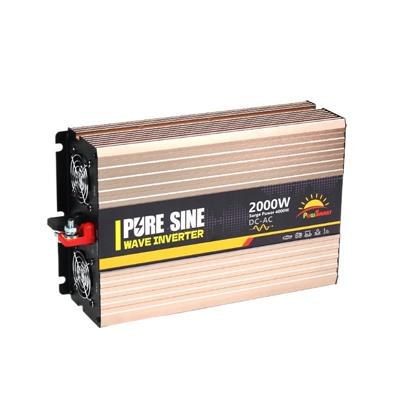
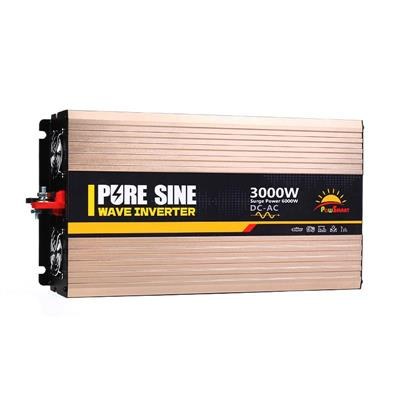
The REP pure sine wave inverter series from Zhejiang Sunrise New Energy Co., Ltd. covers 300W to 6000W, so a small setup for camping gear and a larger one for home essentials are different products, chosen by load, not by brand loyalty. See the 2000W pure sine wave inverter and the 3000W pure sine wave inverter, or browse the full REP pure sine wave inverter series.
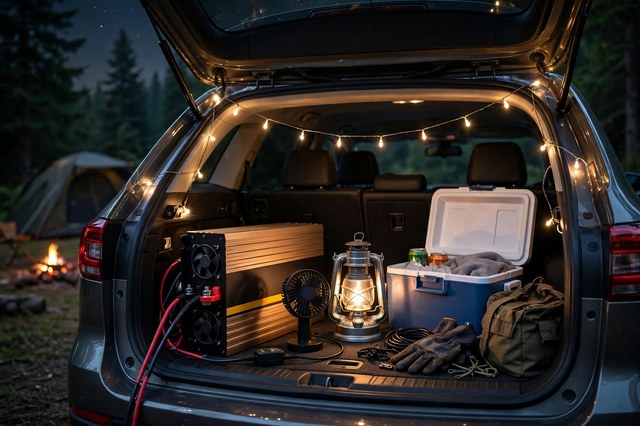
Step 1: List your critical loads — each appliance, its running watts, and any startup surge (fridge compressors and tool motors surge above running watts). Step 2: Add them up, then add margin, so a compressor kicking in does not trip the system. Step 3: Size the battery to runtime, not just watts — a 1000W load for one hour needs roughly 1000Wh of usable energy before inverter losses. Step 4: Choose pure sine wave output, which runs sensitive electronics and modern fridge controls cleaner and safer than modified sine wave power.
FAQNo. AllDayEnergy is Hyundai Motor Group's brand for its vehicle energy services — V1G, V2G and V2H — delivered through the Hyundai and Kia owner apps. It is not a separate product or app.
Not yet. V1G launches in the United Kingdom through the Kia app in the second half of 2026; V2G and V2H are later phases, with Europe, the United States and South Korea planned afterwards. No V2H power, hardware or price has been published.
No. V1G only adjusts when the car charges, using real-time prices and grid conditions to charge at cheaper or less strained times. Power still flows one way, into the car. Only V2H sends power from the car into the home.
Use a standalone system sized today: a pure sine wave inverter matched to your loads, plus a battery matched to the runtime you need — regardless of car brand, model or market.
AllDayEnergy points in the right direction, but its first step is cheaper charging, not home backup. V1G in the United Kingdom in the second half of 2026 is useful, and the V2G/V2H phases are worth watching. If you need backup power today, though, do not wait for a later phase to reach your market and your car — size a standalone pure sine wave inverter to your real loads now. If you are planning home backup, car camping power or an off-grid setup, contact Zhejiang Sunrise New Energy Co., Ltd. through cninverter.com and we will help you size one for your loads. For a related read, see our earlier article 9-Minute Charging Needs Storage First.

We use cookies to enhance your browsing experience, serve personalized ads or content, and analyze our traffic. By clicking "Accept All", you consent to our use of cookies.