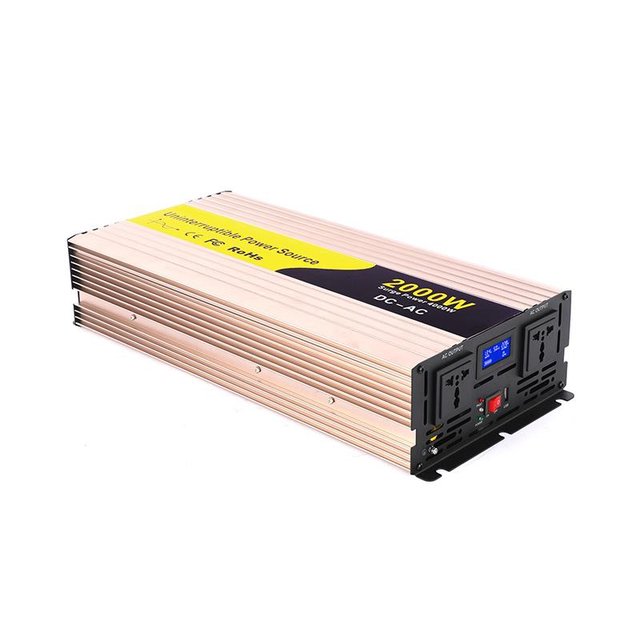
For most homes, a 2000W–3000W pure sine wave inverter paired with a 5–10kWh battery bank covers essential backup loads — refrigerator, lights, Wi-Fi, phones, and a laptop — for 8–12 hours. The exact size depends on which appliances you need to keep running and for how long. This guide from Zhejiang Sunrise New Energy Co., Ltd. walks you through sizing an inverter for home battery backup, step by step.
What Does an Inverter Do in a Battery Backup System?A battery stores DC power; your home runs on AC. The inverter is the bridge: it converts battery DC into clean AC power for your appliances. In an inverter-with-charger (UPS) setup, the same unit also recharges the batteries when grid power is available and switches to battery automatically during an outage — typically within 10–20 milliseconds, fast enough that computers and routers never drop.
Step 1: List Your Essential Backup LoadsStart with what must stay on during an outage, not everything in the house:
| Appliance | Typical running watts |
|---|---|
| Refrigerator (modern, efficient) | 100–200W |
| LED lights (whole home) | 30–60W |
| Wi-Fi router phones | 20–40W |
| Laptop | 45–90W |
| TV | 80–150W |
| Gas furnace blower / boiler pump | 300–800W |
| Sump pump | 500–1000W |
Add up the running watts of everything you want on simultaneously. A typical essentials list totals 500–1200W.
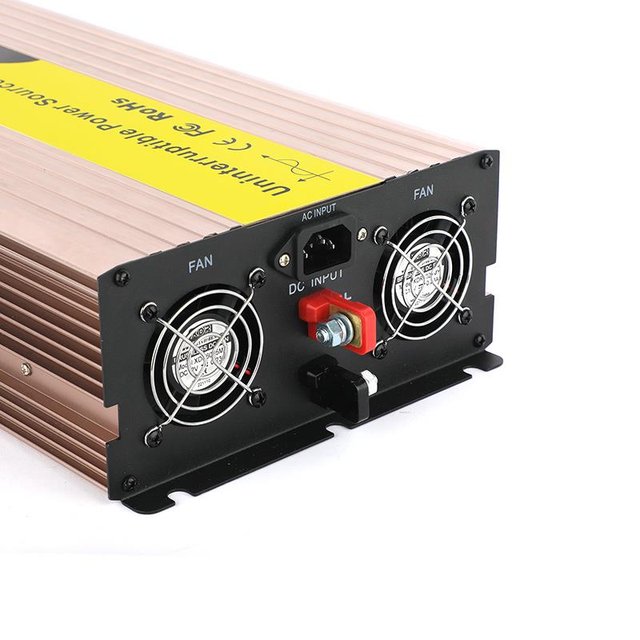
Motors and compressors draw 3–5× their running watts for a split second at startup. A refrigerator rated 150W running can surge to 600W when the compressor kicks in. Size your inverter for the highest likely simultaneous surge, not just the running total. A good rule: multiply your running-watt total by 1.5–2× and choose an inverter at or above that number.
Step 3: Match Inverter Size to Your NeedsBottom line: if you are unsure, 2000W–3000W covers the essentials for the average household.
Why Pure Sine Wave for Home Backup?Backup power runs the same sensitive electronics as normal grid power: refrigerators with control boards, furnaces with ECM motors, medical devices, computers. Pure sine wave output is identical to utility power, so everything runs as designed — no overheating motors, no buzzing, no glitchy displays. For home backup, pure sine wave is not a luxury; it is the correct engineering choice.
How Much Battery Do You Need?Inverter size answers "how much at once"; battery capacity answers "for how long." The formula:
Backup hours ≈ Battery usable Wh × 0.85 ÷ Load watts
Example: a 5kWh LiFePO4 bank (4kWh usable at 80% DoD) running 500W of essentials:
4000 × 0.85 ÷ 500 ≈ 6.8 hours. Double the battery for ~13 hours.
LiFePO4 vs lead-acid: LiFePO4 delivers 80–90% usable capacity and 3000–6000 cycles; lead-acid gives ~50% usable and 300–500 cycles. For a backup system you may rely on for years, LiFePO4's total cost of ownership is lower despite the higher upfront price.
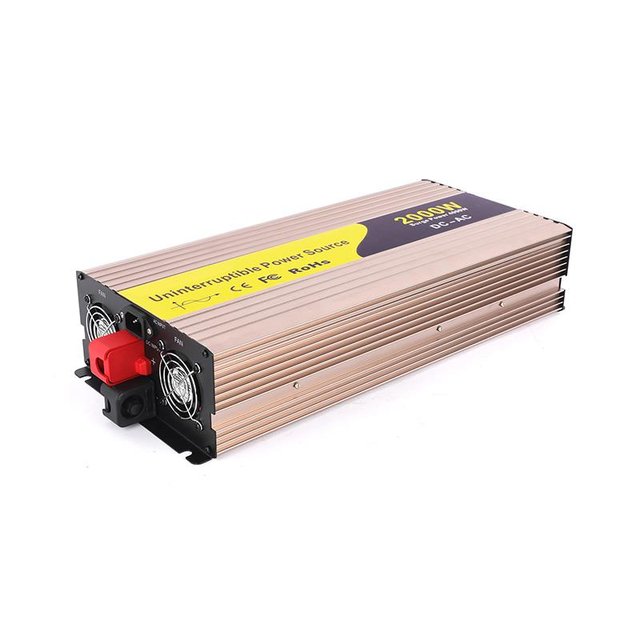
For a first home backup system, an inverter-charger is the simpler, safer choice.
Installation and Safety BasicsCan a 2000W inverter run a refrigerator?
Yes, comfortably. A modern efficient fridge draws 100–200W running with up to ~600W startup surge — well within a 2000W pure sine wave inverter's capacity.
How long will a 10kWh battery last during an outage?
At 500W of essential loads, roughly 13–15 hours with LiFePO4 (80% usable DoD, 85% inverter efficiency). Reduce loads to stretch it further.
Do I need an electrician to install a battery backup system?
For plug-in portable setups, no. For anything wired into your home's electrical panel, yes — a licensed electrician and a proper transfer switch are required.
Is a UPS inverter different from a computer UPS?
The principle is the same — automatic switchover to battery. A home inverter-charger simply scales it up: kilowatts instead of hundreds of watts, and hours of runtime instead of minutes.
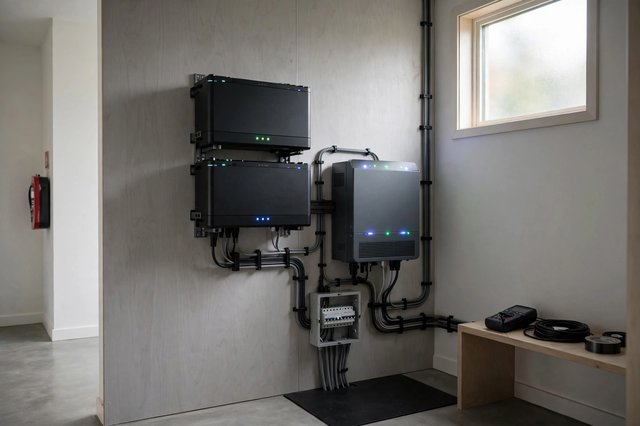
Outages are a matter of when, not if. The right inverter — sized for your surge loads, pure sine wave for your electronics, paired with enough LiFePO4 capacity for your desired runtime — turns a blackout from a crisis into an inconvenience.
Zhejiang Sunrise New Energy Co., Ltd. designs and manufactures pure sine wave inverters, inverter-chargers (UPS), and solar hybrid inverters for residential backup and off-grid power. From compact 500W units to 5000W whole-home systems, every model is built for clean output, reliable transfer, and long service life. Visit cninverter.com or contact us to size the right system for your home: WhatsApp 86 17706649699, email Long@cninverter.com.

We use cookies to enhance your browsing experience, serve personalized ads or content, and analyze our traffic. By clicking "Accept All", you consent to our use of cookies.