Sunrise’s power inverter is a device that converts direct current (DC), typically stored in a battery, into alternating current (AC), which is the standard electricity used in homes and offices. This function is critical because while vehicles, solar systems, and backup energy banks naturally store electricity in DC form, most of our appliances—from laptops and televisions to kitchen equipment—require AC power. By acting as a bridge between storage systems and the devices we depend on, an inverter ensures that energy can be used efficiently and safely.
Power inverters have a wide range of applications. For truck drivers, an inverter can make long trips more comfortable by allowing them to plug in laptops, coffee makers, or small refrigerators. In residential and commercial solar systems, the inverter becomes the heart of the installation, transforming the energy stored in batteries into usable electricity. In fact, many solar setups also integrate solar panels and a photovoltaic energy storage system to capture and hold sunlight, with the inverter then managing the final conversion. In both mobile and stationary contexts, the inverter ensures reliable power, whether for convenience or as a backup in emergencies.
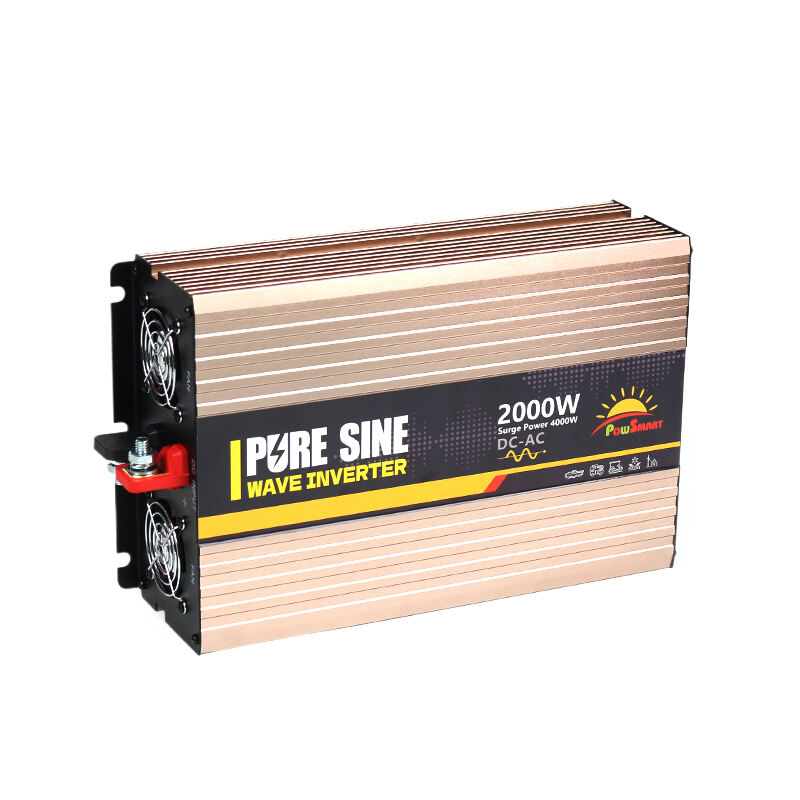
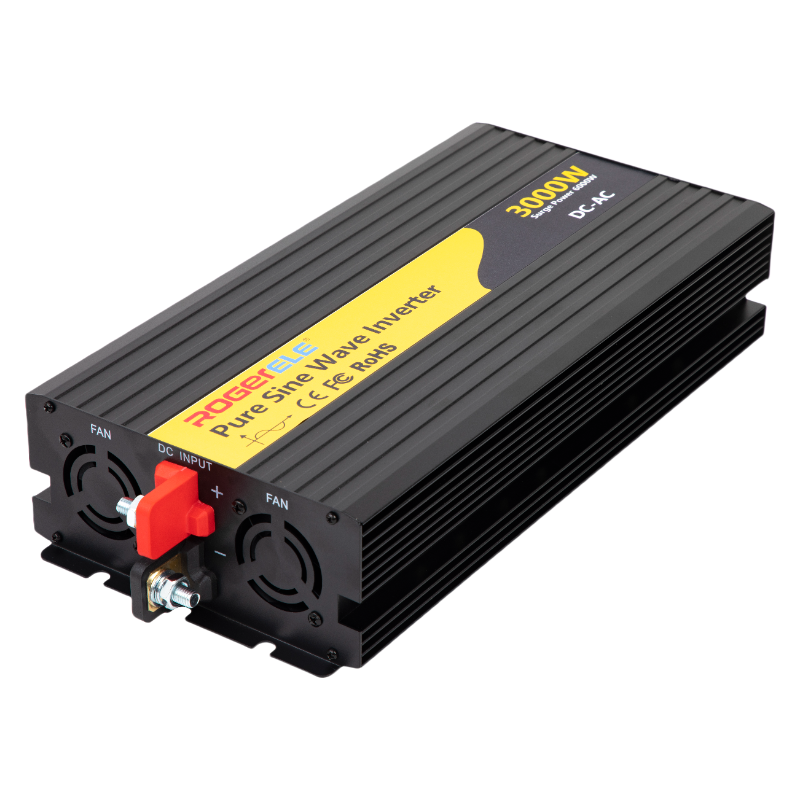
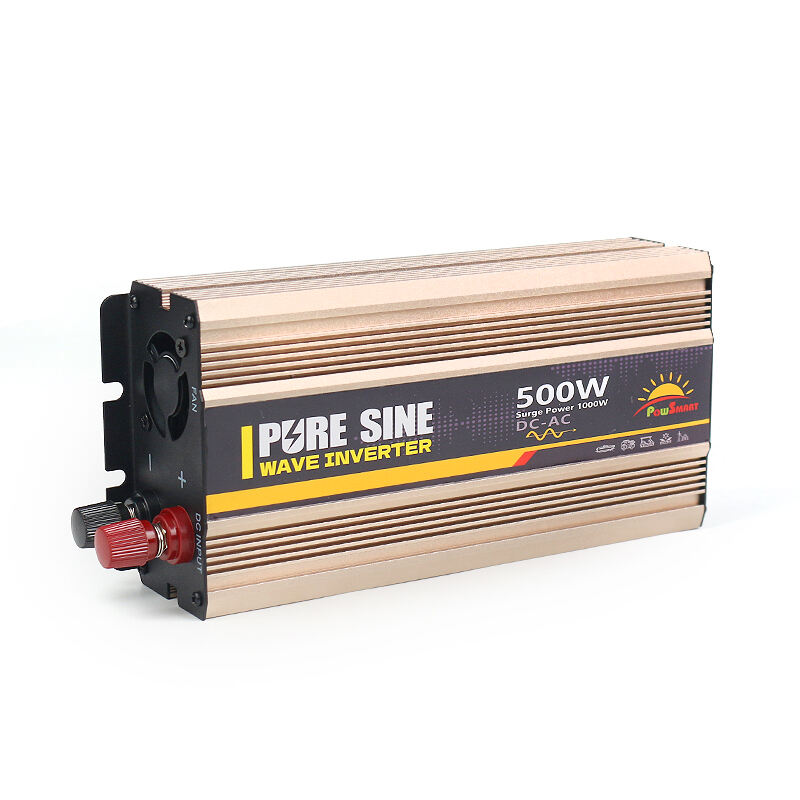
Not all inverters are designed the same way. The most basic distinction is between modified sine wave and pure sine wave inverters. A modified sine wave model is more affordable and can handle simpler devices such as lighting, chargers, or fans. A pure sine wave model, however, produces power that closely matches the quality of grid electricity. This makes it ideal for sensitive electronics like medical devices, computers, or appliances with motors that demand steady current. Beyond these two categories, there are also specialized models such as the solar hybrid inverter, which not only converts DC to AC but also manages inputs from both the grid and solar panels. Similarly, an inverter with battery charger (UPS) can charge its own battery bank while providing emergency power during outages, making it highly reliable for both home and vehicle use.
Selecting the correct inverter starts with determining how much power you need. Each appliance comes with a wattage rating, and you must calculate the combined load of everything you intend to use. For example, a laptop may consume around 60 watts, while a microwave requires over 800 watts. To ensure safety and efficiency, your chosen inverter should exceed your peak demand by at least 20 percent. You must also match the inverter’s input voltage with your storage system. Smaller vehicles usually operate on 12V batteries, while larger trucks or off-grid homes may use 24V or even 48V systems. Matching voltage correctly ensures stable operation and prevents system damage.
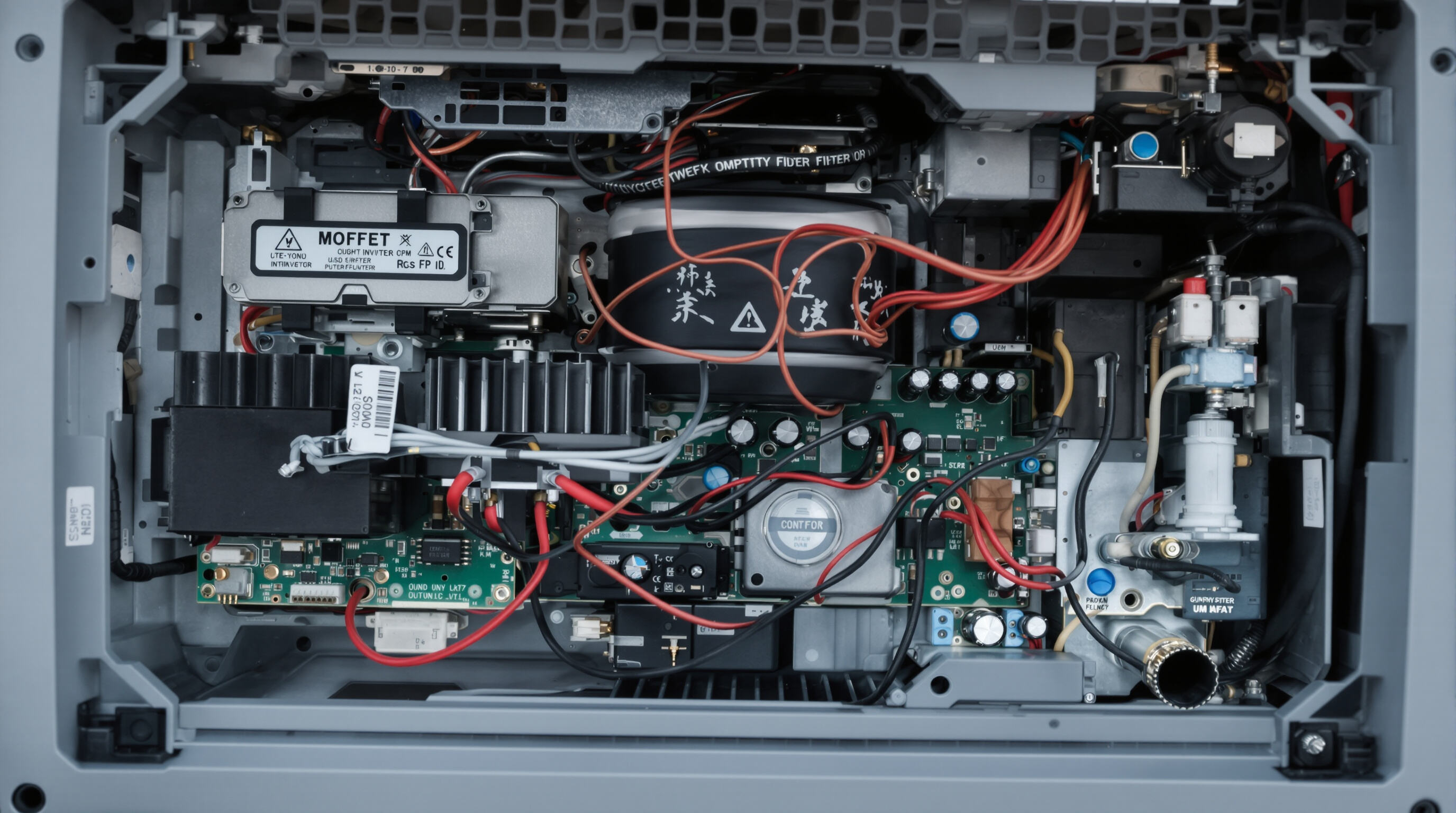
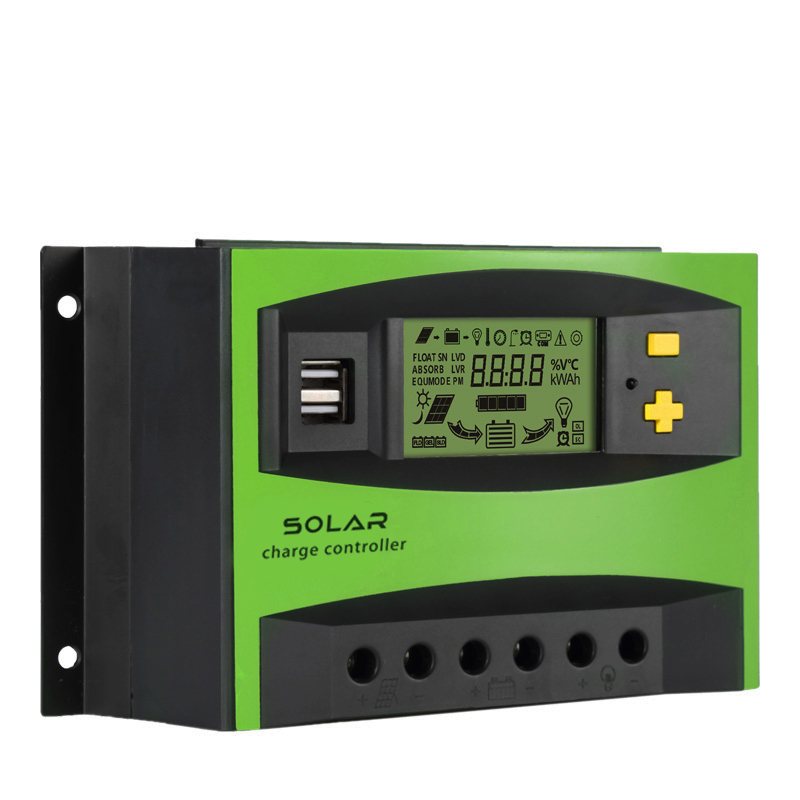
For those building larger setups, the inverter often interacts with additional components. In a solar energy system, for instance, the inverter connects to solar panels, a solar charger controller, and a battery bank. The charger controller regulates the charging process to protect the batteries, while the inverter ensures that stored power can be converted into AC electricity for everyday use. Some advanced models even incorporate smart technologies that allow them to form part of a broader photovoltaic energy storage system, balancing grid input, solar energy, and stored battery power. Understanding how your inverter will interact with these components helps you choose a model that is both compatible and future-proof.
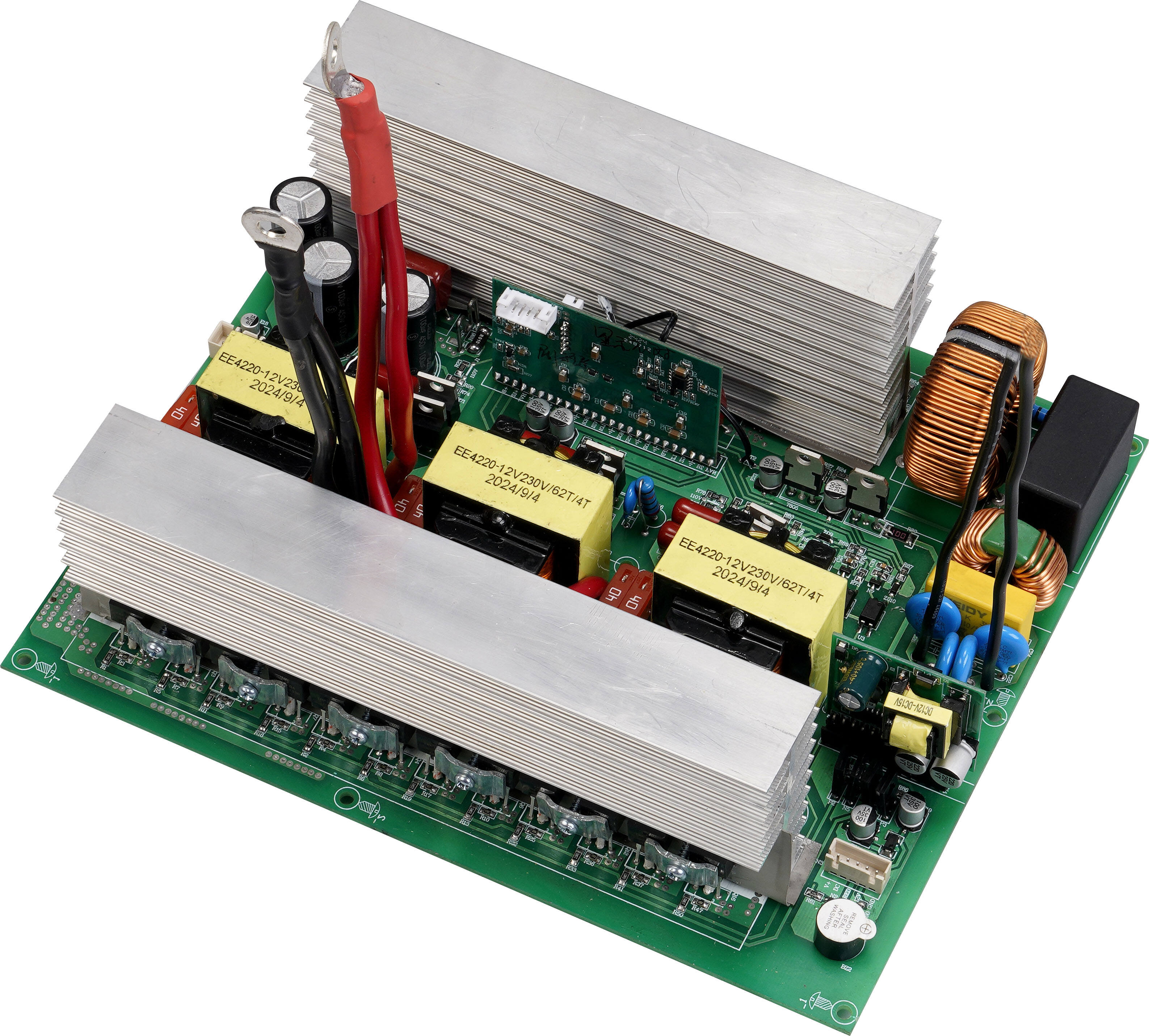
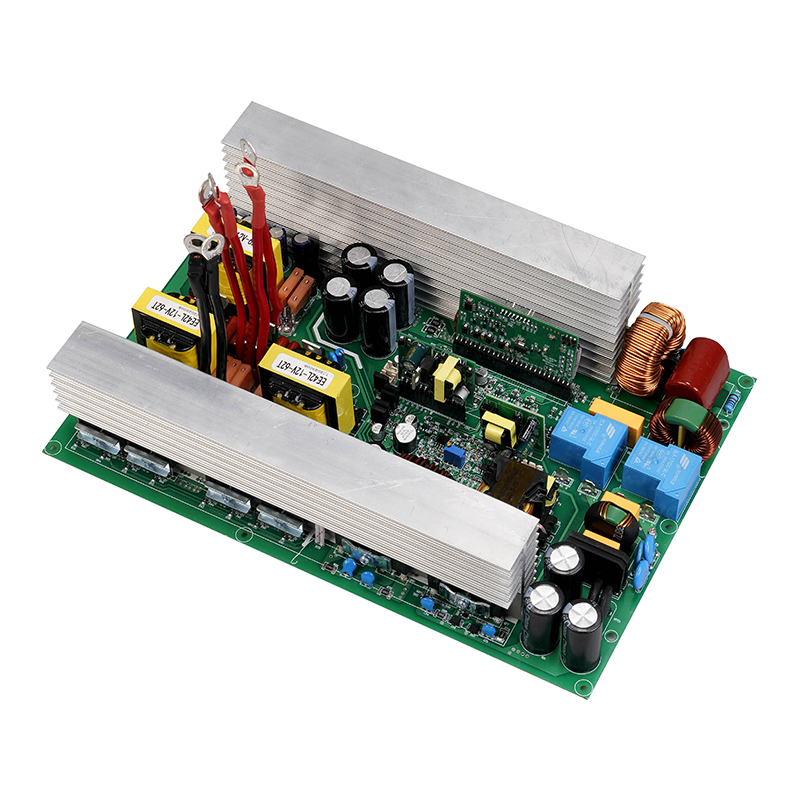
When purchasing an inverter, safety should always be a priority. High-quality models are equipped with overload protection, low-voltage alarms, short-circuit prevention, and automatic shutdown to guard against overheating. Some advanced designs also include features like LCD displays, multiple outlets, or USB charging ports for convenience. In addition, well-engineered systems pay attention to the inverter PCBA board—the printed circuit assembly that controls and stabilizes its performance. A well-designed PCBA board improves efficiency, durability, and safety, ensuring that the inverter performs reliably under varying loads.
In Sum
In essence, a power inverter is the backbone of mobile and renewable energy systems, enabling stored electricity to be used in practical ways. Choosing the right one requires careful consideration of power capacity, system voltage, waveform quality, and additional features. Whether you opt for a simple modified sine wave unit for occasional use, a pure sine wave inverter for sensitive electronics, or an advanced solar hybrid inverter that integrates with a full photovoltaic energy storage system, the right decision ensures long-lasting, dependable energy wherever you need it most.

Explore our range of power inverters, solar hybrid inverters, solar charge controllers, and solar panels. Our lithium batteries and solar PV systems ensure optimal energy efficiency and reliability.
No8-88 of Xingye North Road,Youli Industrial Zone,Liushi Town,Yueqing of Wenzhou City, Zhejiang Province
Copyright © 2024 Zhejiang Sunrise New Energy Co., Ltd. Privacy Policy
 EN
EN
 Hot News