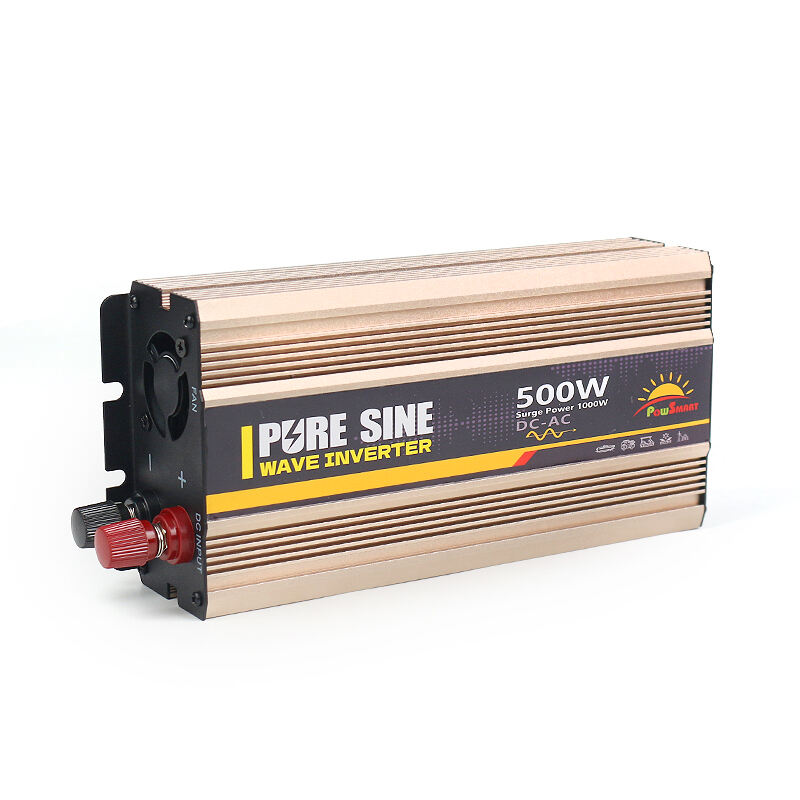
Owning an RV brings a sense of freedom, allowing you to take the comforts of home wherever the road leads. At the heart of this mobile lifestyle is the power inverter—a device that transforms the direct current (DC) stored in your RV’s battery into alternating current (AC), which powers your appliances, gadgets, and even climate control systems. Since this device plays such a central role in keeping your RV functional, understanding how to properly maintain it ensures long-term efficiency, safety, and reliability.
A power inverter in an RV is constantly exposed to fluctuating power loads, varying weather conditions, and frequent usage. Without proper maintenance, its performance can decline, leading to power inefficiencies or even unexpected failures during trips. Worse, neglect may shorten the lifespan of connected systems such as the battery or solar charging components. By adopting a proactive maintenance routine, you safeguard not only the inverter itself but also your overall energy system, saving costs and preventing potential breakdowns while on the road.
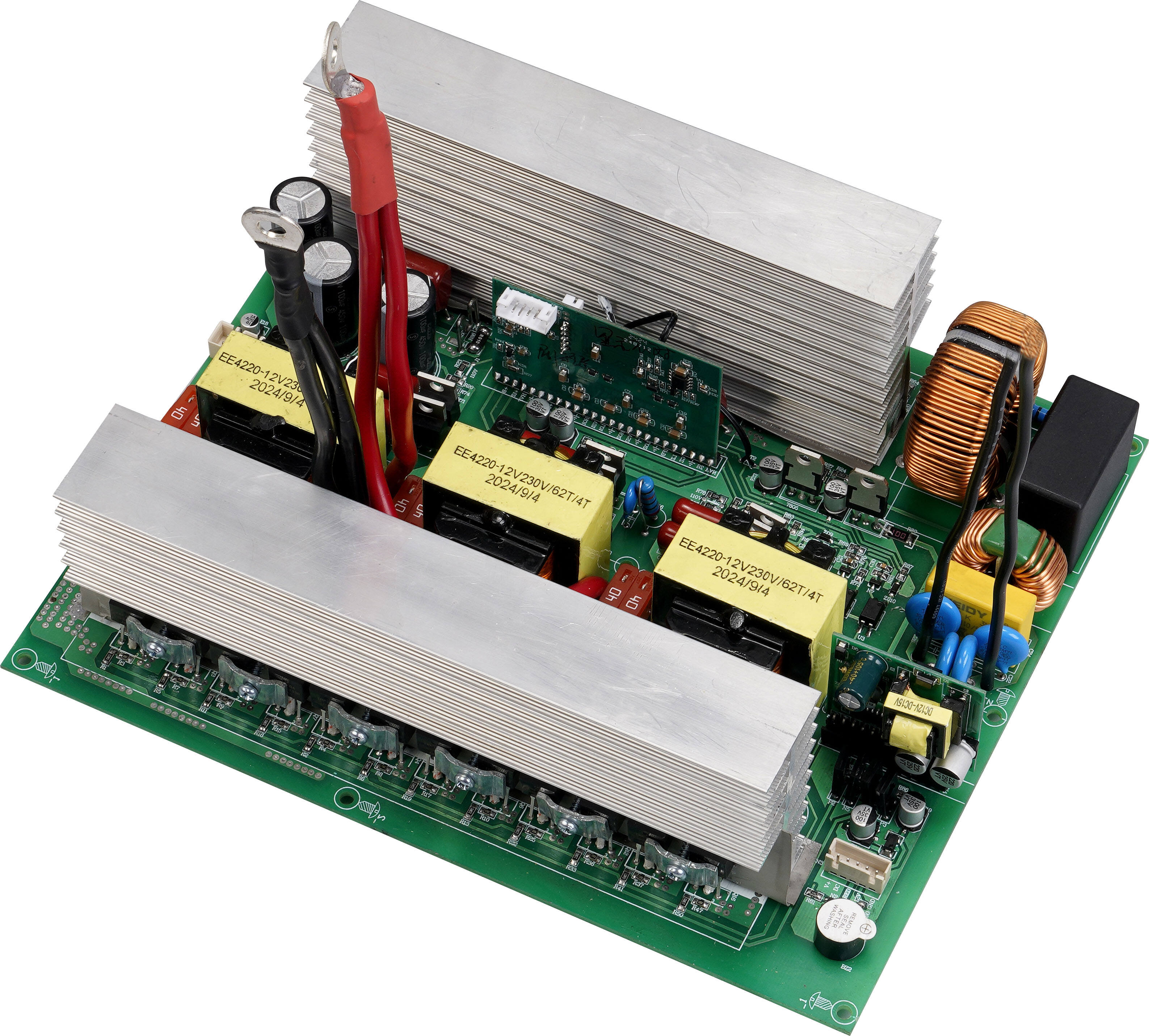
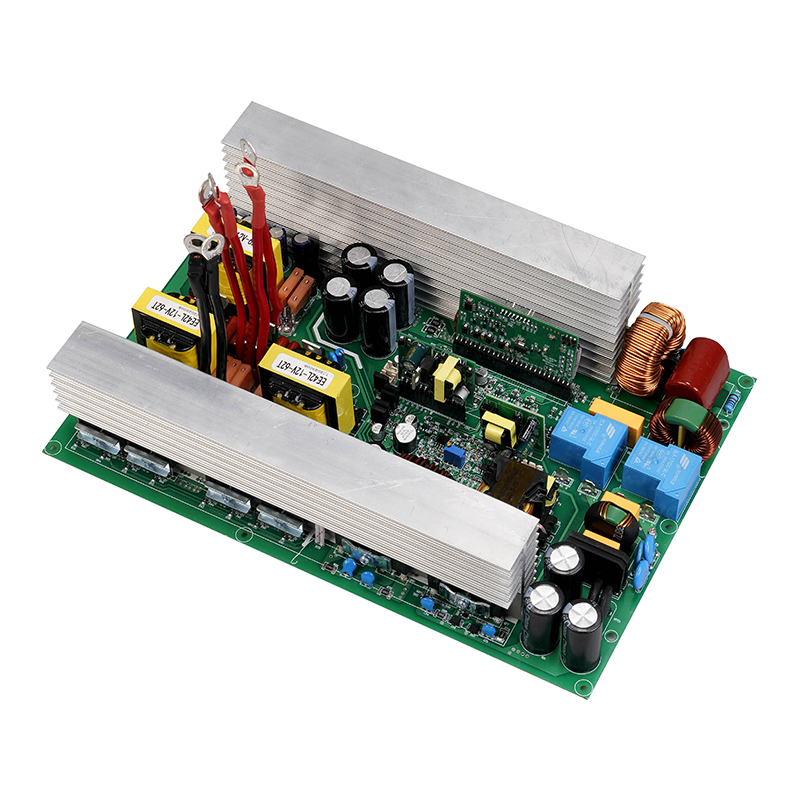
One of the simplest yet most overlooked aspects of inverter maintenance is keeping it clean. Dust, debris, and even moisture can accumulate inside and around the device, affecting sensitive electronic parts such as the inverter PCBA board. When airflow is obstructed, the inverter can overheat, which is a leading cause of premature failure. RV owners should regularly inspect vents and cooling fans, wiping them clean and ensuring that no items block ventilation. If your RV is frequently parked in dusty areas, consider using protective covers or installing additional filters to keep particles out.
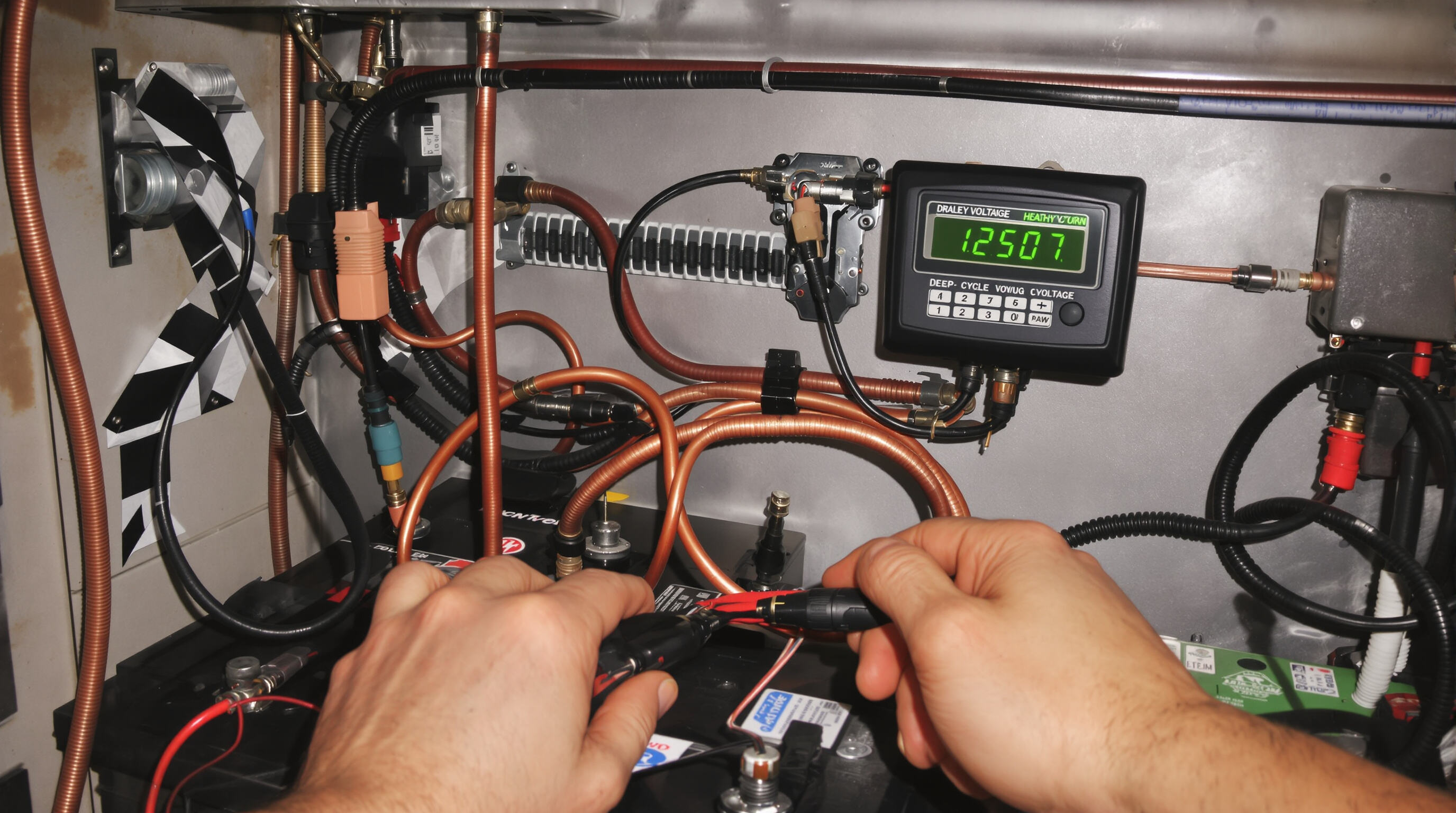
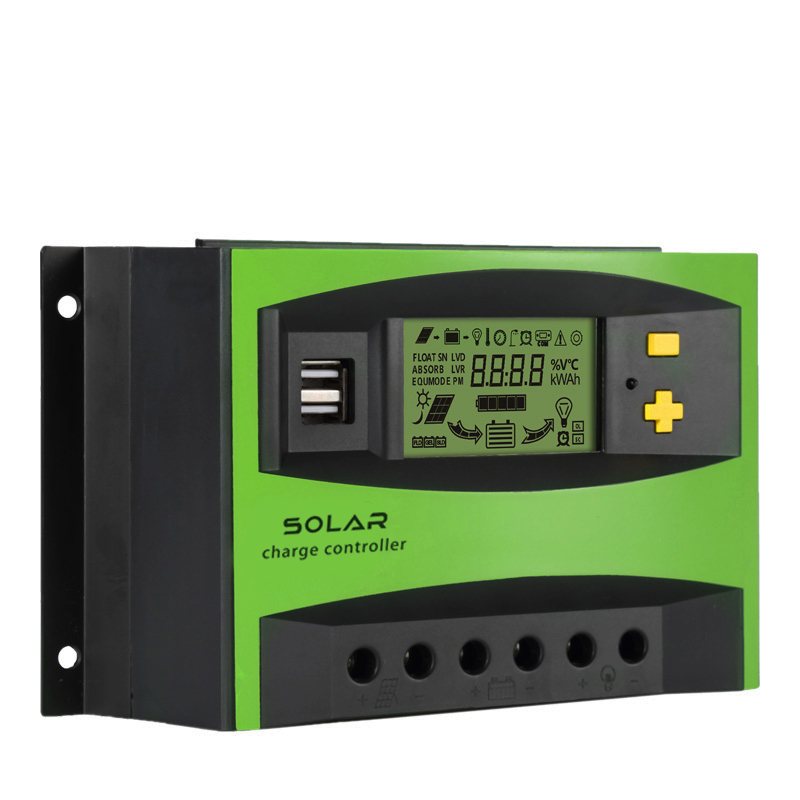
Since the inverter depends on the RV’s battery to supply DC power, the condition of the battery directly influences performance. Poorly maintained batteries can cause the inverter to shut down, deliver inconsistent power, or generate excessive heat. To prevent this, regularly check electrolyte levels (for lead-acid batteries), clean terminals to avoid corrosion, and test voltage levels with a multimeter. Modern RV setups often pair the inverter with a solar charger controller to regulate the flow of energy from solar panels to the battery, preventing overcharging and deep discharging. Ensuring all these components work harmoniously extends both battery and inverter lifespan.
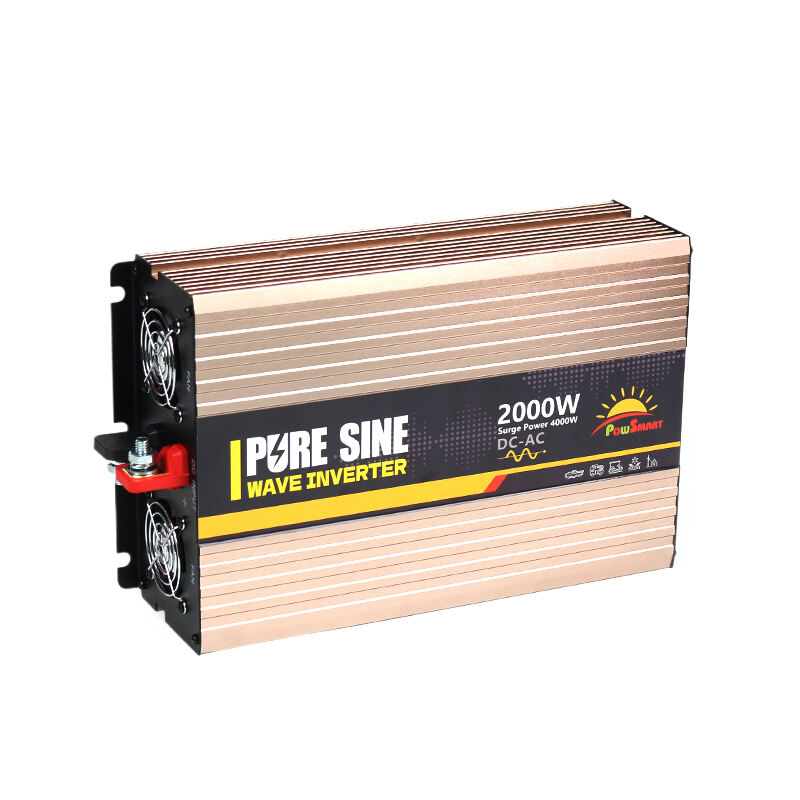
Another critical element of inverter maintenance is respecting its load limits. An inverter with battery charger (UPS) function, for instance, may provide backup power for sensitive devices but still has strict wattage capacities. Overloading the inverter—by plugging in high-wattage appliances beyond its design—causes strain on internal circuits and can even trip protective shutdowns. Always calculate the total wattage of devices in use and make sure it falls within the inverter’s rated range. For RVers who rely heavily on multiple appliances, upgrading to a solar hybrid inverter may provide better flexibility by combining solar, battery, and grid power sources.
Loose, frayed, or corroded wires are a hidden but common cause of inverter problems. Since the inverter works as the bridge between the battery and AC loads, poor connections can lead to voltage drops, sparks, or intermittent power supply. As part of routine maintenance, inspect all wiring, connectors, and fuse holders. Tighten any loose connections and replace damaged cables immediately. Using high-quality, properly rated wires also ensures that the inverter can deliver stable power without excessive resistance or overheating risks.
Many modern RV inverters—especially advanced models like solar hybrid inverters—come with smart features, such as remote monitoring, fault detection, and even integration with mobile apps. To maximize performance, check for firmware or software updates provided by the manufacturer. These updates often improve efficiency, enhance safety protocols, or fix bugs that might affect operation. Ignoring updates may leave the inverter vulnerable to faults or reduce compatibility with other RV power system upgrades.
Like any electronic device, an inverter performs best under stable environmental conditions. Extreme heat, cold, or humidity can significantly reduce its efficiency. RV travelers often park in deserts, mountains, or coastal areas, where temperature swings and moisture levels challenge electronics. To protect your inverter, install it in a well-ventilated, dry compartment that avoids direct exposure to sunlight or water. Additionally, some RVers use protective insulation or small heating devices during winter storage to keep the inverter within safe temperature ranges.
While basic cleaning and inspection can be done by RV owners, periodic professional servicing ensures deeper checks. Technicians can test the internal PCBA board, evaluate efficiency rates, and detect minor issues before they escalate. For RVers who frequently rely on solar setups, professionals can also assess the condition of solar panels, recalibrate the solar charger controller, and verify that energy flow remains optimized. Scheduling such inspections annually—or before long cross-country trips—provides peace of mind and long-term system stability.
If your RV will be unused for months, proper inverter storage is essential. Disconnect the inverter from the battery to prevent slow energy drain. Store the battery separately, fully charged, in a cool and dry location. Cover the inverter to protect it from dust buildup, and if possible, run a quick test every few months to ensure the system remains functional. By preparing the inverter and battery for downtime, you avoid unpleasant surprises when you’re ready to hit the road again.
The inverter is more than just a box that converts DC to AC; it’s the heart of your RV’s electrical system, seamlessly connecting batteries, solar components, and appliances. Whether you rely on a basic inverter or a sophisticated solar hybrid inverter, proper maintenance ensures that it continues to deliver reliable power for years. By keeping it clean, protecting its components, monitoring loads, and scheduling routine inspections, you maximize efficiency and minimize risks. After all, long-term RV adventures aren’t just about the road ahead—they’re about having the right systems in place to power every mile of the journey.

Explore our range of power inverters, solar hybrid inverters, solar charge controllers, and solar panels. Our lithium batteries and solar PV systems ensure optimal energy efficiency and reliability.
No8-88 of Xingye North Road,Youli Industrial Zone,Liushi Town,Yueqing of Wenzhou City, Zhejiang Province
Copyright © 2024 Zhejiang Sunrise New Energy Co., Ltd. Privacy Policy
 EN
EN
 Hot News