Picture this: A sudden thunderstorm knocks out the power, and your backup generator—costing you hundreds, even thousands of dollars—sits idle after a few uses, guzzling fuel and taking up half your garage. Sound familiar? For most households and small businesses, traditional emergency power solutions like standby generators come with a hefty price tag, hidden costs, and limited flexibility. But there’s a better alternative that’s flying under the radar for many: the inverter. Not only is it a fraction of the cost, but it also adapts to nearly every device you own. Let’s break down why inverters are the ultimate cost-effective, versatile emergency power solution.
The Hidden Costs of Traditional Emergency Power
Before we dive into inverters, let’s face the harsh reality of traditional backup power. Standby generators, the "gold standard" for many, start at $2,000 for residential models—and that’s just the upfront cost. Installation can add another $1,000 to $3,000, especially if you need electrical upgrades or fuel line hookups (for propane or natural gas). Then there are the ongoing expenses: regular maintenance (oil changes, filter replacements), fuel costs (a 5,000-watt generator burns 0.5 to 1 gallon of gasoline per hour), and even storage fees if you need to keep fuel on hand.
Portable generators are cheaper upfront ($500 to $1,500) but come with their own flaws. They’re noisy, produce dirty power that can damage sensitive electronics (like laptops or smart TVs), and are limited to powering a handful of devices at once. Worse, many only run on gasoline, which spoils after 3 to 6 months—meaning you’ll waste money replacing old fuel before you even use it in an emergency.
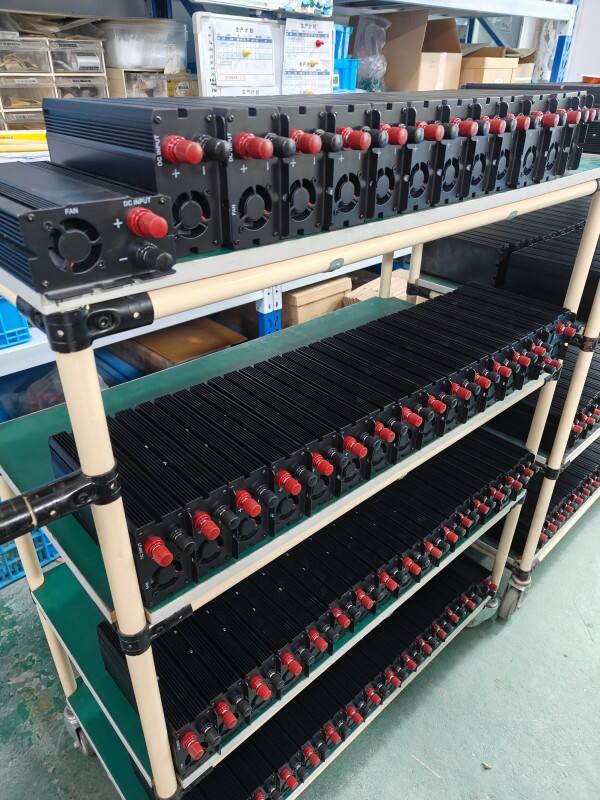
In short: Traditional emergency power is a "pay more, get less" proposition for most people. Enter inverters.
Inverters: The Cost-Efficiency Game-Changer
At first glance, you might think inverters are just another "tech gadget," but their cost advantage is undeniable. Let’s crunch the numbers:
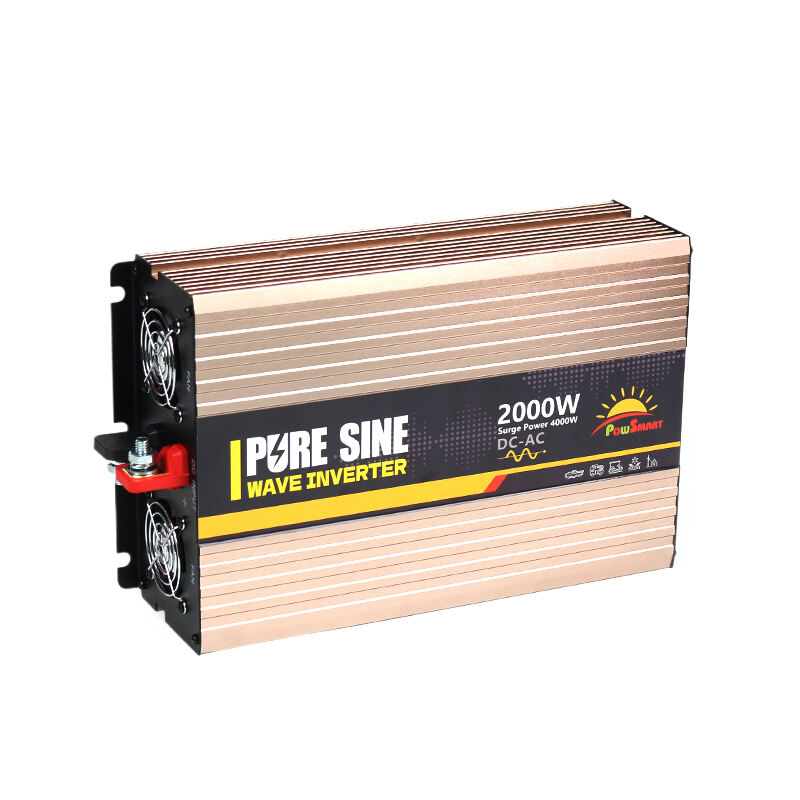
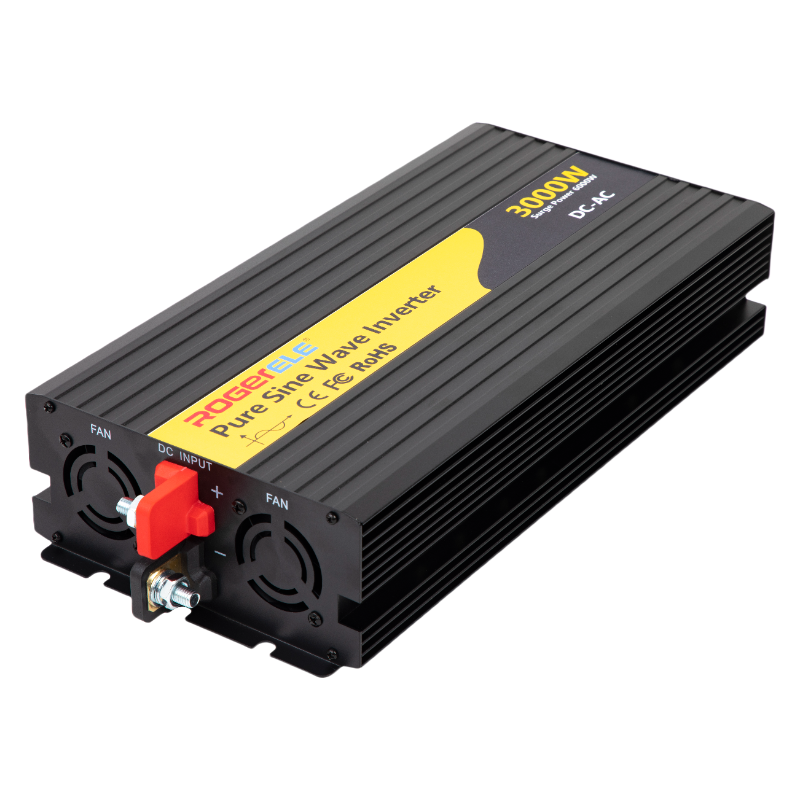
- Upfront Cost: A high-quality 1,000-watt inverter (enough to power a fridge, TV, and phone chargers) costs just $100 to $200. A 3,000-watt model (capable of running power tools or small AC units) is $300 to $500. No expensive installation—most plug directly into a car battery, deep-cycle battery, or solar panel system.
- Ongoing Costs: If paired with a rechargeable battery (which costs $100 to $300 and lasts 3 to 5 years), inverters have zero fuel costs. Solar-powered inverter setups? Even better—free energy from the sun after the initial battery/panel investment. Maintenance? Minimal—just keep the battery charged and clean the inverter’s vents occasionally.
- Long-Term Value: Unlike generators, which depreciate quickly and may sit unused for years, inverters are usable every day (more on that later). This means you’re not just paying for emergency power—you’re investing in a tool that adds value year-round.
Beyond Emergency Power: Inverters Adapt to All Your Devices
The biggest downside of traditional generators is their limited compatibility. A portable generator might have 2 to 3 outlets, and standby models are hardwired to specific circuits (like your fridge or HVAC). Inverters? They’re designed to power anything that runs on AC electricity—from small electronics to large appliances. Here’s how they shine across device types:
1. Small Electronics: Phones, Laptops, and More
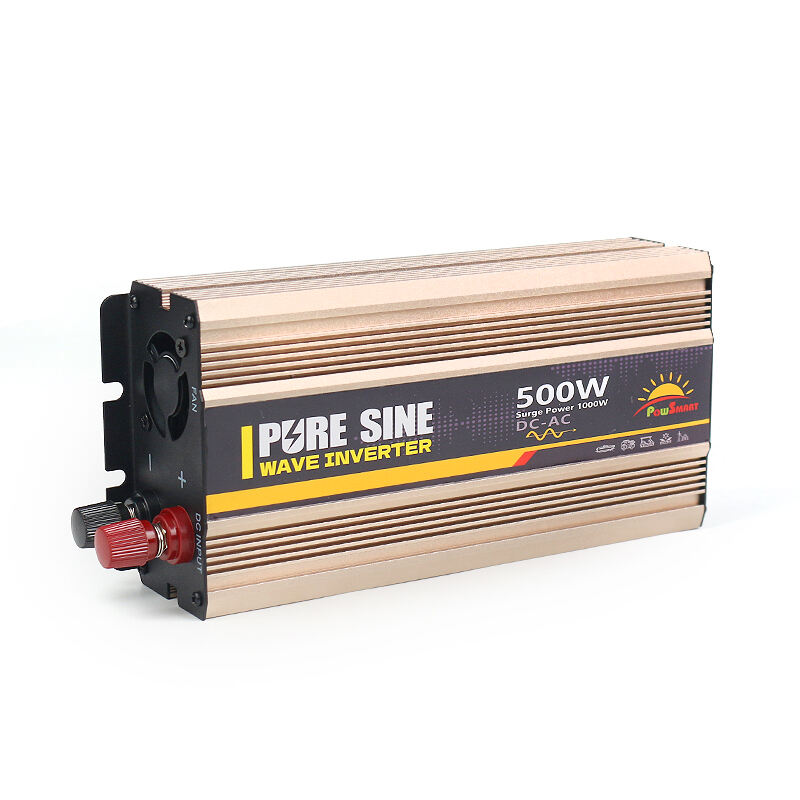
Most inverters come with USB ports (for phones, tablets, and smartwatches) and standard AC outlets (for laptops, cameras, and portable speakers). A 500-watt inverter can power all these devices at once—perfect for camping, road trips, or power outages. Unlike generators, inverters produce "clean sine wave" power (the same as the grid), so you won’t risk frying your $1,000 laptop or smartphone.
2. Household Appliances: Fridges, Microwaves, and AC Units
Need to keep your fridge running during a 3-day outage? A 1,500-watt inverter paired with a deep-cycle battery can do that. Want to heat up leftovers in the microwave? A 2,000-watt model has you covered. Even small window AC units (5,000 to 8,000 BTU) work with 3,000-watt inverters. The key is matching the inverter’s wattage to the appliance’s starting power (most appliances use more power when turning on than when running—check the label!).
3. Power Tools and Outdoor Equipment
Contractors, DIY enthusiasts, and gardeners love inverters for their portability and power. A 2,500-watt inverter can run a circular saw, drill, or pressure washer—no need for a noisy generator on the job site. Pair it with a portable battery pack, and you can work anywhere, even if there’s no grid power.
4. RVs and Camping Gear
RV owners swear by inverters: They power everything from kitchen appliances to entertainment systems without relying on campground hookups. A 1,000-watt inverter paired with the RV’s battery lets you boondock (camp off-grid) for days, enjoying all the comforts of home without the generator noise.
Real-World Scenarios: Inverters Beat Generators Every Time
Let’s compare two common emergency power scenarios to see how inverters stack up against traditional generators:
Scenario 1: 2-Day Home Power Outage
- Portable Generator: Upfront cost: $800. Fuel cost: 10 gallons (at $4/gallon) = $40. Noise level: 70-80 decibels (as loud as a vacuum cleaner). Risk of damaging electronics: High (dirty power). Usability: Can power 2-3 devices at once.
- Inverter + Deep-Cycle Battery: Upfront cost: $300 (inverter) + $200 (battery) = $500. Fuel cost: $0. Noise level: 0 decibels (silent). Risk of damaging electronics: Low (clean power). Usability: Can power 5+ devices at once (fridge, TV, phones, laptop).
Scenario 2: Camping Trip (3 Days)
- Portable Generator: Heavy (50+ pounds), requires hauling gasoline, noisy (disturbs campsites), risk of carbon monoxide poisoning (can’t use inside tents/RVs). Cost: $800 + $30 in fuel.
- Inverter + Solar Panel: Light (10-15 pounds), charges via sunlight (free energy), silent, safe for indoor use. Cost: $200 (inverter) + $300 (solar panel) = $500 (one-time investment, no future fuel costs).
How to Choose the Right Inverter for Your Needs
Not all inverters are created equal—here’s how to pick one that fits your budget and device needs:
1. Calculate Your Power Needs: List the devices you want to power and find their "starting wattage" (check the user manual). Add them up—this is the minimum wattage your inverter needs. For example: Fridge (800 starting watts) + TV (200 watts) + phone chargers (50 watts) = 1,050 watts. Choose a 1,500-watt inverter to be safe.
2. Choose the Right Waveform: "Pure sine wave" inverters are best for sensitive electronics (laptops, phones, smart appliances). "Modified sine wave" inverters are cheaper but may damage delicate devices—avoid them for expensive gear.
3. Pair with a Battery (or Solar): For emergency power, pair your inverter with a deep-cycle battery (not a car battery—they’re designed for short bursts of power). Add a solar panel for off-grid charging and zero fuel costs.
4. Look for Safety Features: Choose inverters with overload protection (shuts off if you exceed wattage), short-circuit protection, and low-battery shutdown (prevents battery damage).
Conclusion: Inverters Are the Smart, Affordable Choice
Traditional emergency power solutions force you to choose between cost, flexibility, and convenience—but inverters check all three boxes. They’re cheaper upfront and in the long run, power nearly every device you own, and work silently and safely. Whether you’re prepping for power outages, camping, working off-grid, or just want a versatile backup option, an inverter is the best investment you can make.
Forget the overpriced, noisy generator that sits in your garage gathering dust. An inverter is more than just emergency power—it’s a year-round tool that adapts to your lifestyle. The next time the power goes out, or you head into the wilderness, you’ll be glad you chose the affordable, versatile alternative.

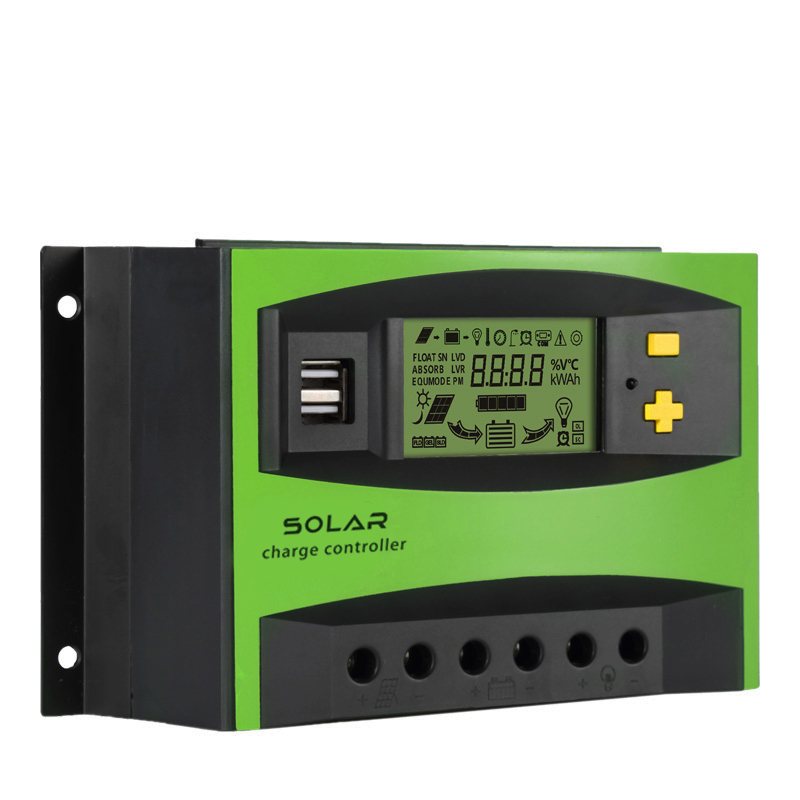
Explore our range of power inverters, solar hybrid inverters, solar charge controllers, and solar panels. Our lithium batteries and solar PV systems ensure optimal energy efficiency and reliability.
No8-88 of Xingye North Road,Youli Industrial Zone,Liushi Town,Yueqing of Wenzhou City, Zhejiang Province
Copyright © 2024 Zhejiang Sunrise New Energy Co., Ltd. Privacy Policy
 EN
EN
 Hot News