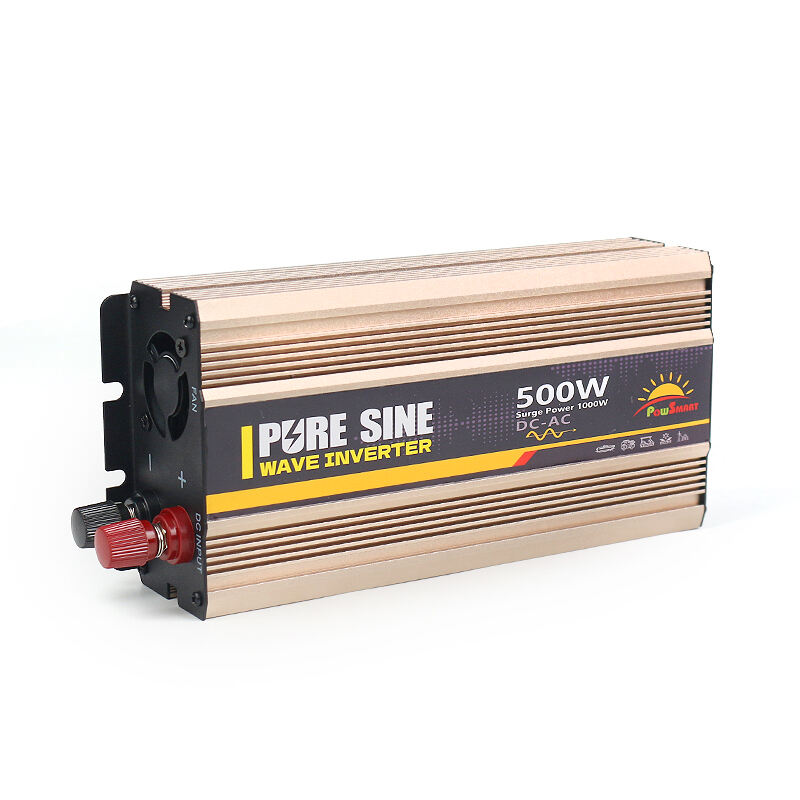
A power inverter is the heart of any portable power setup, converting direct current (DC) from a battery into alternating current (AC) that most appliances require. Whether you’re using it in a truck, RV, or at a campsite, the inverter allows you to plug in devices such as laptops, cooking equipment, or small tools. However, because it handles high electrical loads, misuse can lead to damage or even safety hazards. Knowing the basics of how an inverter works, including its connection to a battery and sometimes even solar panels, is the first step in using it responsibly.
Safety starts with correct installation. A power inverter should be mounted on a stable, well-ventilated surface where heat can easily dissipate. Overheating is one of the most common causes of inverter failure, which is why good airflow is critical. If you’re connecting your inverter to solar panels or a solar charger controller, make sure the wiring matches the manufacturer’s specifications. Likewise, when wiring directly to a battery, always use the correct gauge cables and double-check for tight, corrosion-free connections. Proper setup not only extends the lifespan of your inverter but also reduces fire risks.
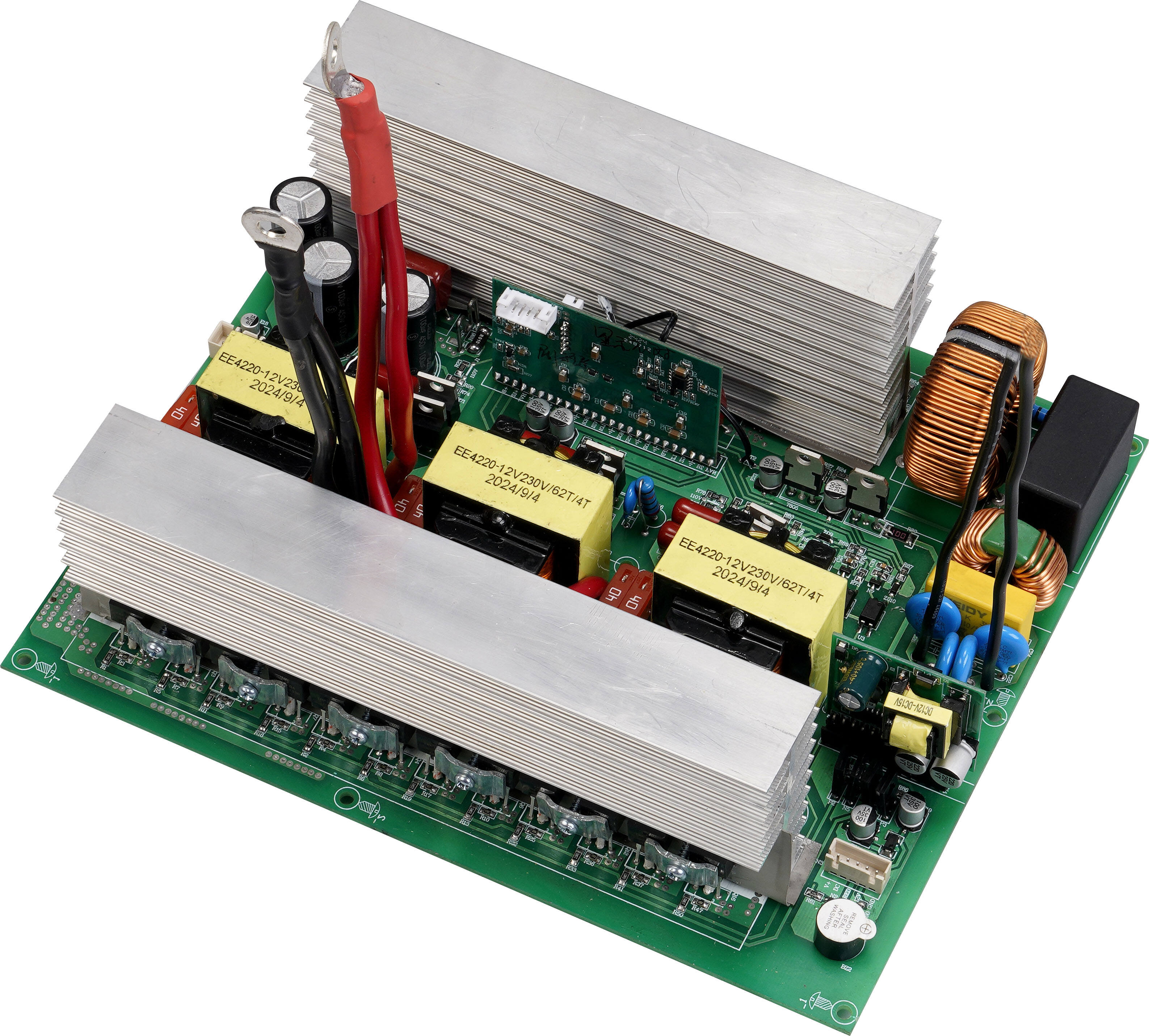
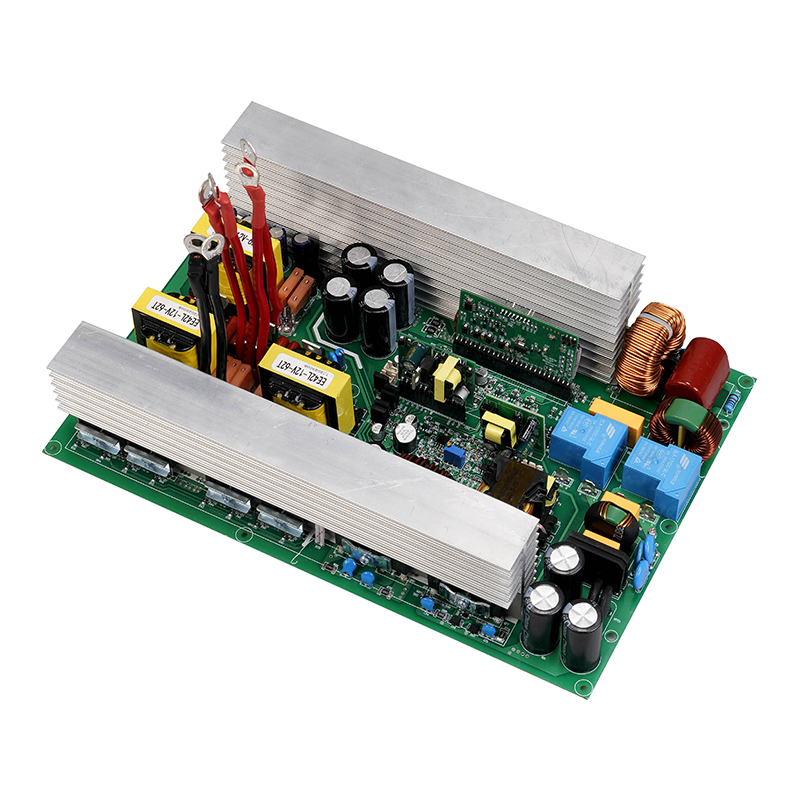
Like any piece of electronic equipment, inverters generate heat during operation. Inside the housing, components such as the inverter PCBA board (Printed Circuit Board Assembly) can become stressed if heat is not managed effectively. That’s why users should avoid placing items on top of the inverter or enclosing it in tight spaces. Most units come with built-in cooling fans, but you should still periodically check that vents remain unobstructed. In hotter climates or inside RVs with limited airflow, adding an external cooling fan can be a smart investment.
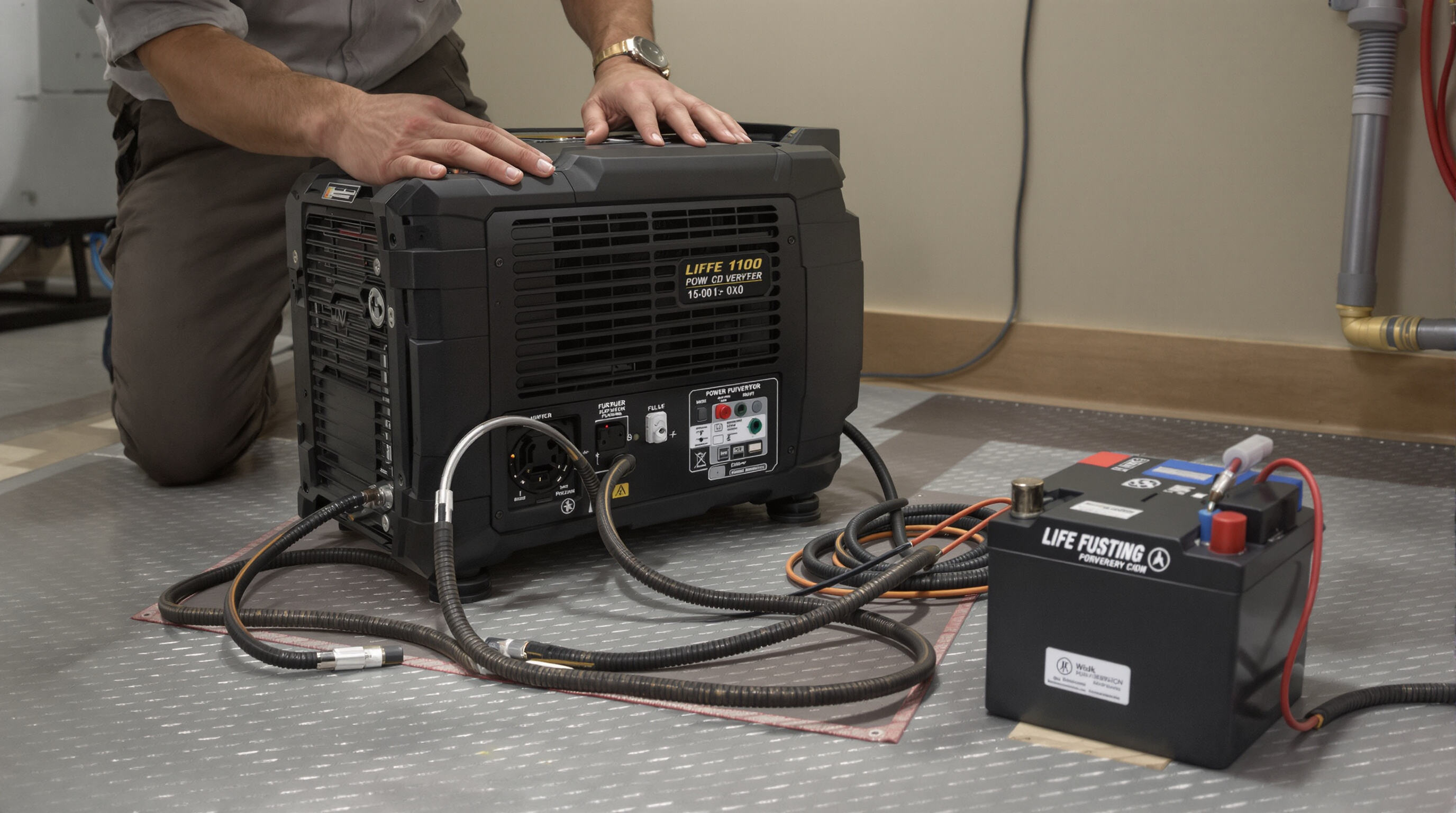
Because most portable inverters draw power directly from a battery, users should monitor both voltage levels and charge capacity. Over-discharging a battery can permanently damage it, while overcharging (if paired with solar panels or a charger) can lead to overheating. Using a reliable monitoring system ensures the battery stays within safe operating levels. Always follow the rule of disconnecting the inverter when it’s not in use to prevent unnecessary drain. Keeping your battery in top condition is not only a matter of safety but also efficiency, ensuring your inverter has a steady supply of clean power.
Every inverter has a maximum rated capacity, usually expressed in watts. Plugging in more devices than it can handle risks overheating or damaging sensitive components. For example, high-draw appliances like microwaves or power tools may not be suitable for smaller inverters. Some advanced models, like a solar hybrid inverter, can manage higher loads or combine power sources more efficiently, but even then, limits must be respected. Users should always calculate the total wattage of devices before connecting them and leave a margin for safety.
Regular checks go a long way toward preventing accidents. Inspect cables for wear, loose connections, or burn marks. Dust and dirt buildup inside the inverter can also cause shorts or hinder cooling fans, so periodic cleaning is advisable. Pay special attention to the inverter PCBA board if accessible, since damage or corrosion on the board can compromise the entire system. Some RV or truck owners even schedule professional servicing once a year to ensure long-term reliability.
Despite best efforts, malfunctions can still happen. Always keep a fire extinguisher rated for electrical fires nearby when using a power inverter in an enclosed space. Avoid using the inverter in wet conditions, and never place drinks or other liquids near the unit. In emergencies, disconnect the inverter from the battery first to cut power supply quickly. Educating all family members or travel companions on basic inverter safety ensures that everyone knows what to do if something goes wrong.
Sunrise’s portable power inverter opens up freedom on the road, at campsites, or even during emergencies at home. However, with that freedom comes responsibility. By understanding how inverters interact with batteries, solar panels, and internal components like the PCBA board, users can avoid most common hazards. Safe usage, combined with regular maintenance, ensures your inverter provides reliable service for years. Remember: treat your inverter as you would any vital piece of electrical equipment—with care, respect, and an eye on safety.

Explore our range of power inverters, solar hybrid inverters, solar charge controllers, and solar panels. Our lithium batteries and solar PV systems ensure optimal energy efficiency and reliability.
No8-88 of Xingye North Road,Youli Industrial Zone,Liushi Town,Yueqing of Wenzhou City, Zhejiang Province
Copyright © 2024 Zhejiang Sunrise New Energy Co., Ltd. Privacy Policy
 EN
EN
 Hot News