When investing in a power inverter—whether for an RV, truck, solar system, or home backup—the key is not just immediate performance, but how well it holds up over years of use. Durability ensures that the inverter continues converting DC power from a battery or solar panels into stable AC without failures. Unlike cheaper models that may overheat or break down after a short period, a high-quality inverter is engineered to withstand repeated use, heavy loads, and environmental stress.
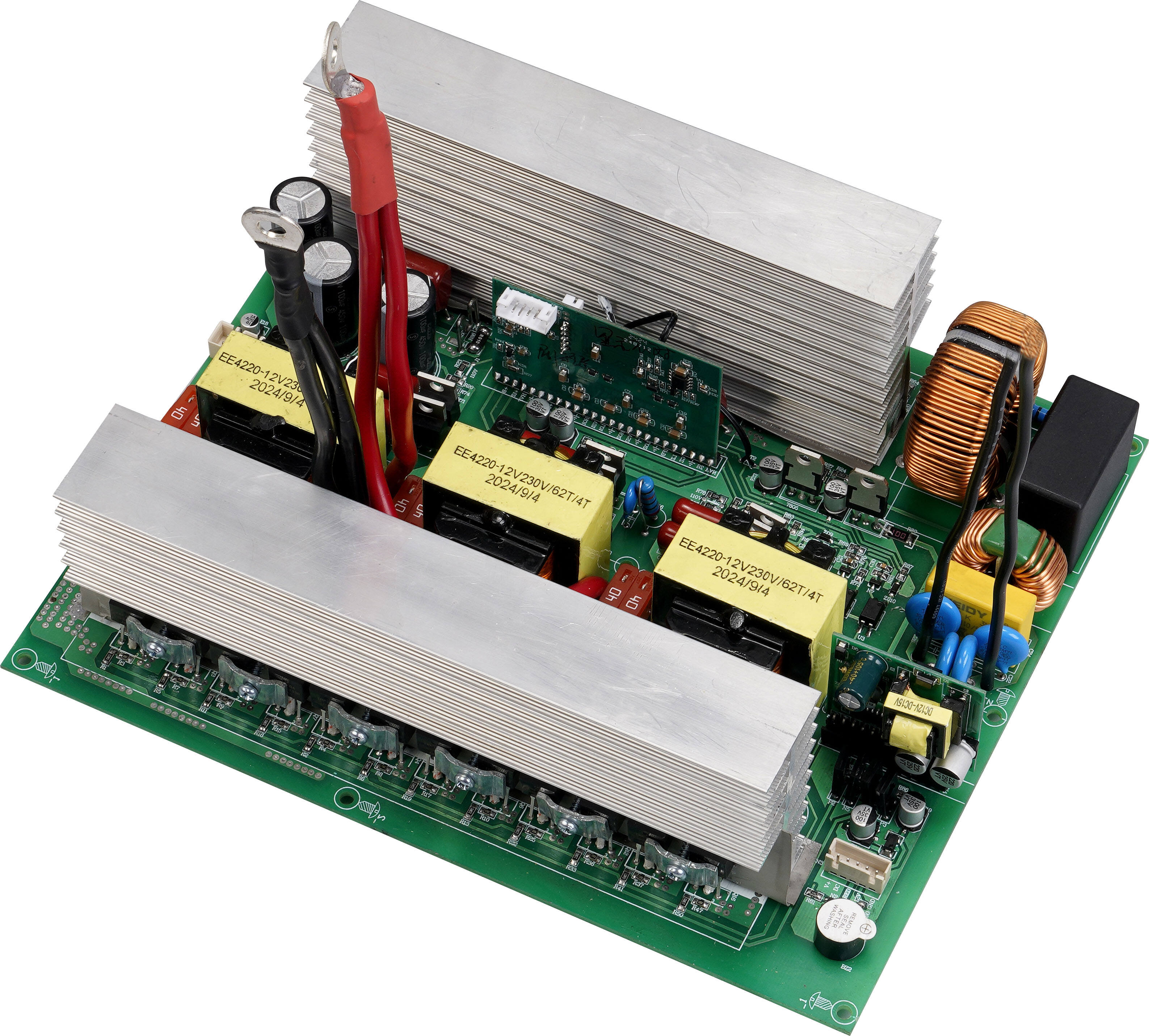
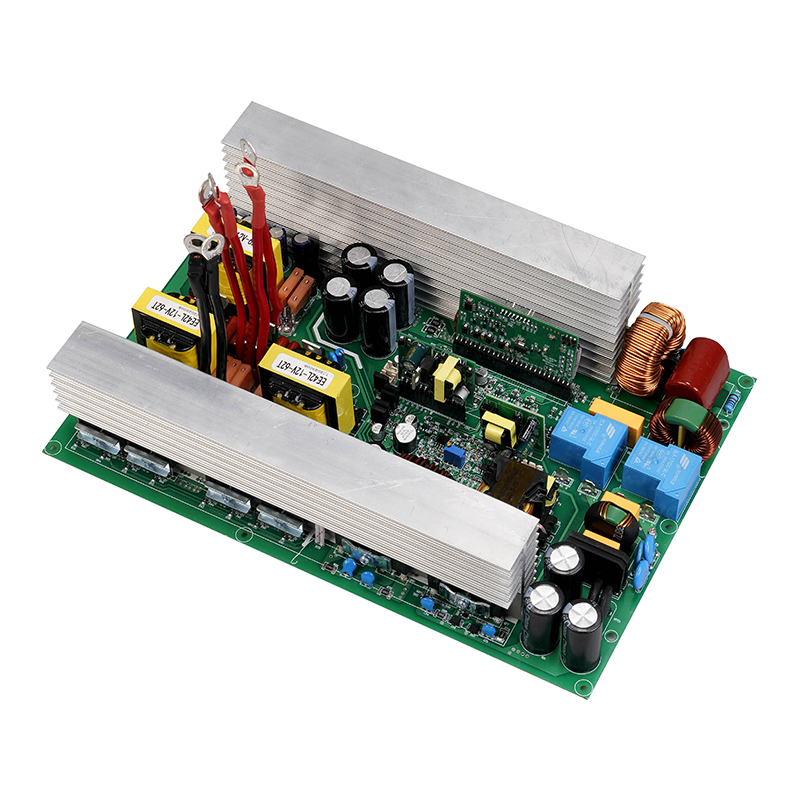
One of the most critical factors in an inverter’s durability is the quality of its internal components, particularly the inverter PCBA board (Printed Circuit Board Assembly). The PCBA controls voltage, current, and signal processing inside the inverter, so a poorly designed or low-grade board often leads to early failures. Durable inverters use industrial-grade capacitors, high-quality MOSFETs, and advanced protective circuits that prevent overheating and short circuits. This internal build quality directly impacts long-term reliability.
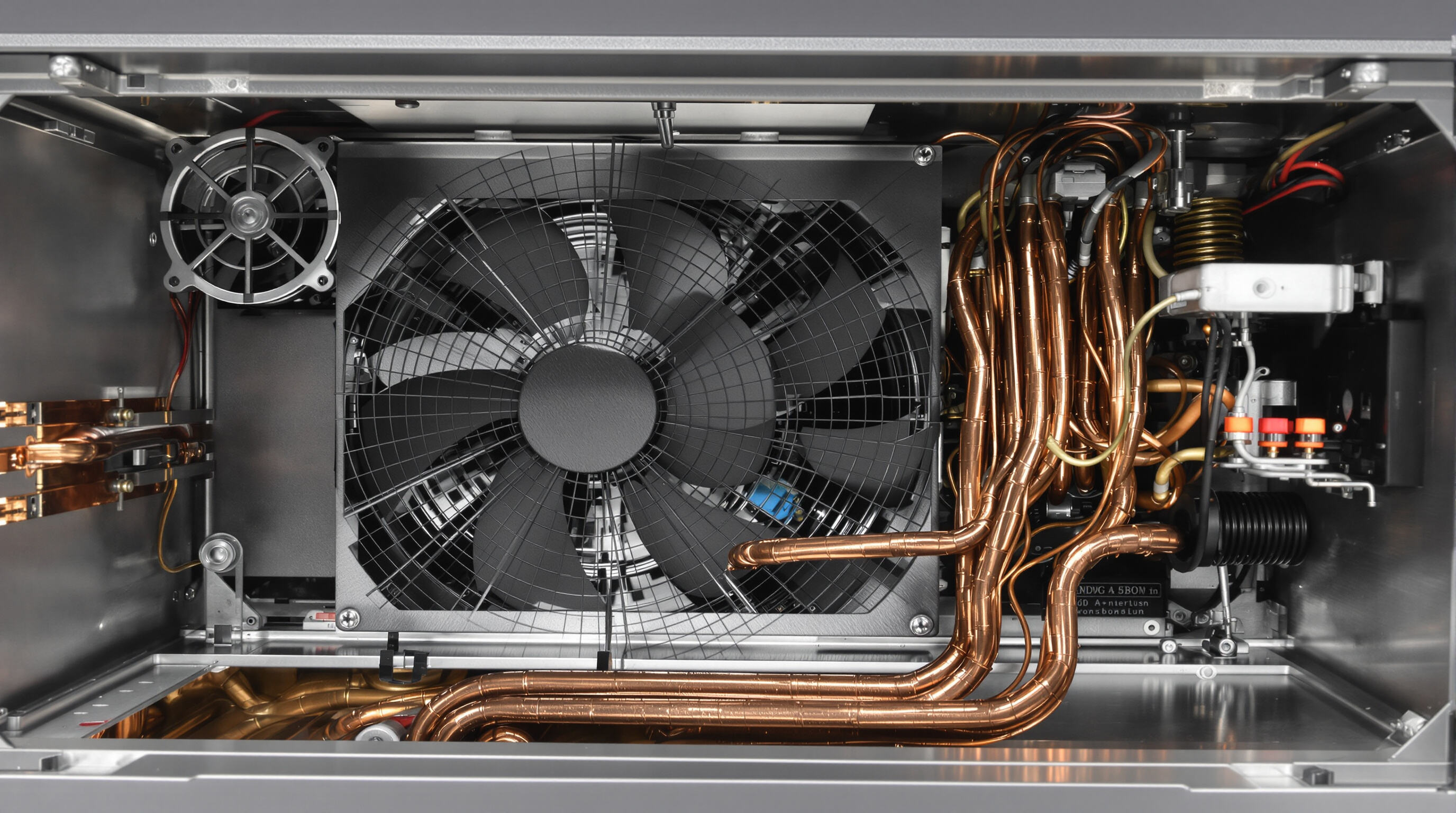
Heat is the enemy of electronics. A power inverter that lacks proper cooling will gradually wear down and fail. The best models feature efficient heat sinks, built-in cooling fans, and thermal management systems that regulate internal temperature. If you plan to use the inverter in an RV, truck, or other enclosed space, ventilation becomes even more important. Keeping the inverter free from dust and ensuring that fans are not obstructed helps maintain long-term performance.
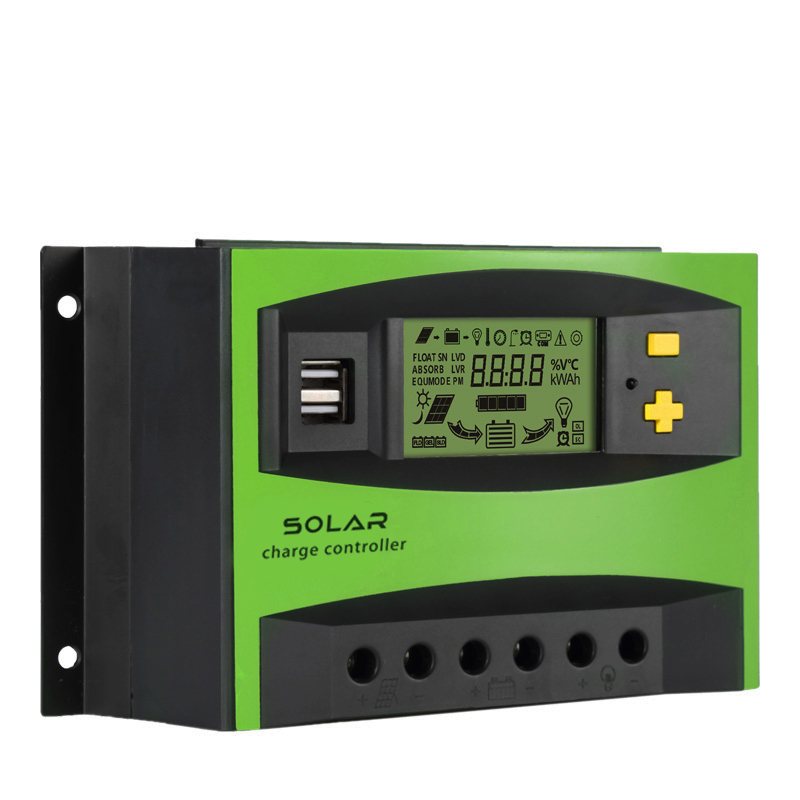
Durability isn’t just about the inverter itself—it also depends on how well it interacts with the battery. High-quality inverters are designed to prevent issues such as deep discharge, overcharge, and voltage fluctuations that could damage both the inverter and the battery. Some advanced units integrate with solar panels and charge controllers, offering smart protection and maximizing battery lifespan. A durable inverter always includes safety features like low-voltage shutoff, surge protection, and overload alerts.
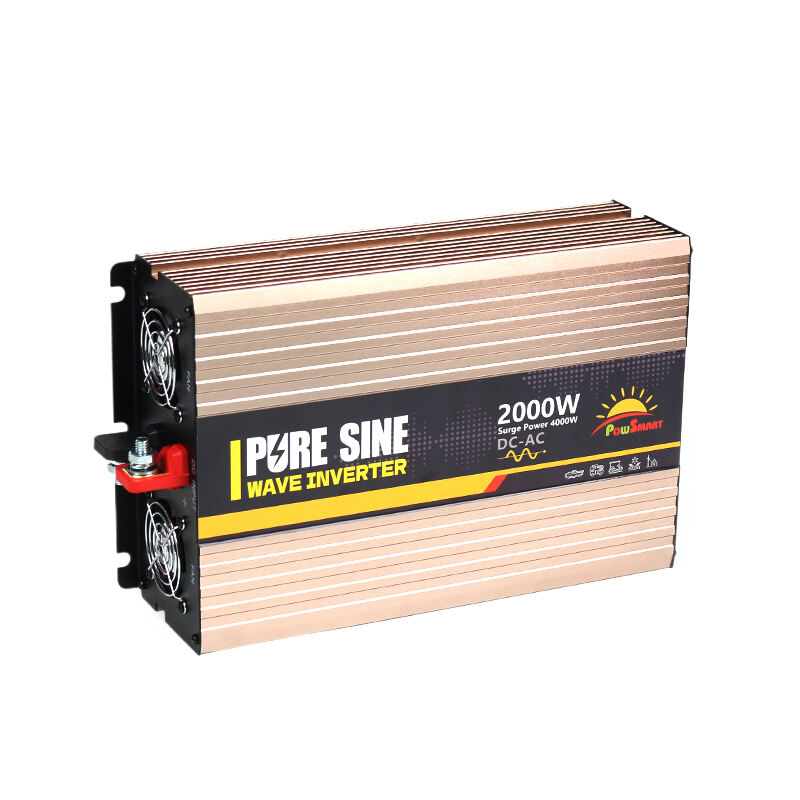
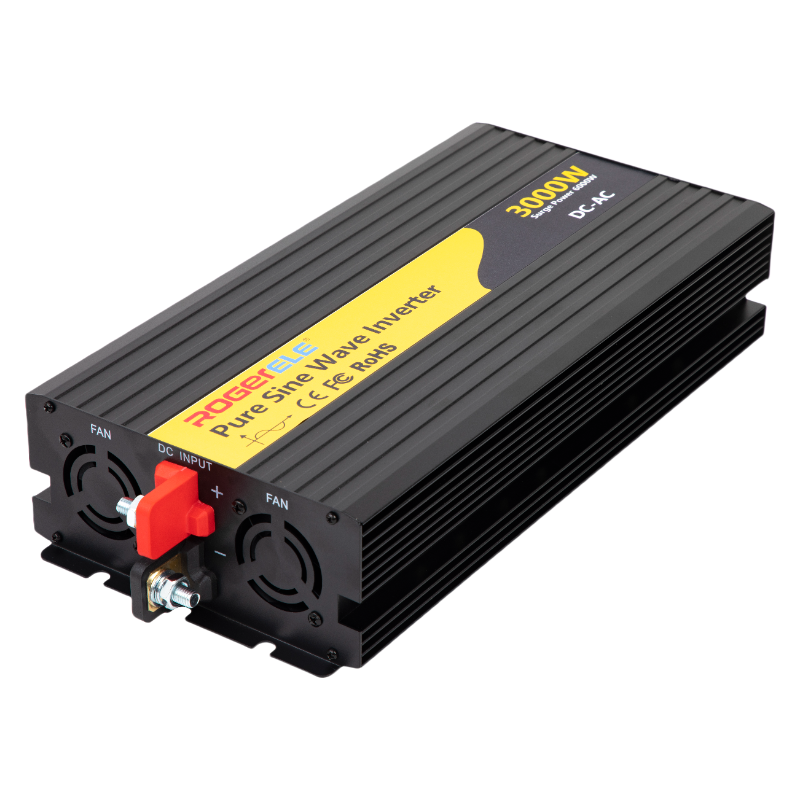
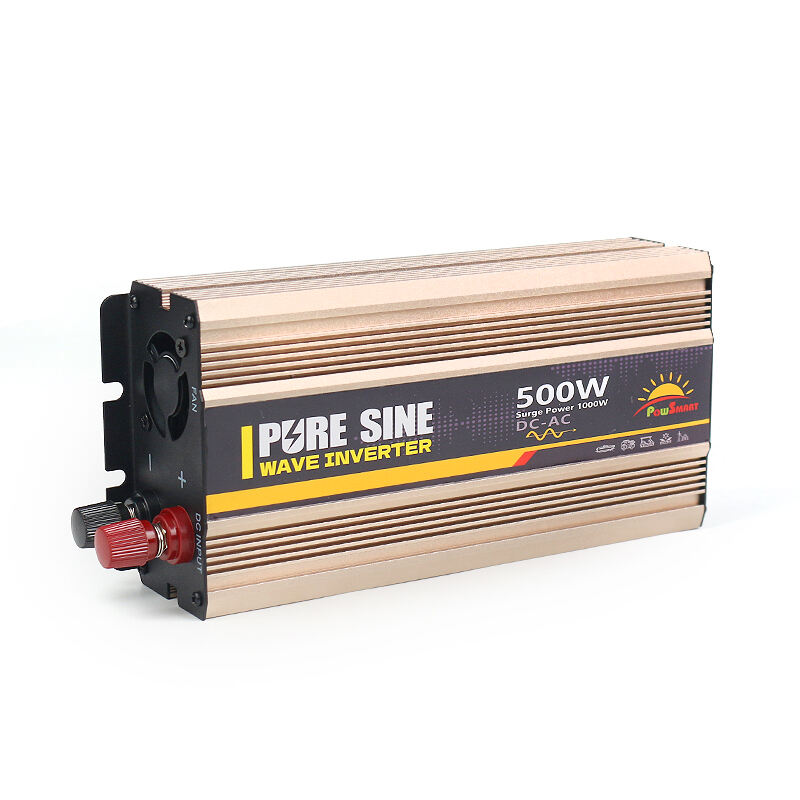
Different applications require different inverter types. Pure sine wave inverters provide the cleanest and most reliable power, making them ideal for sensitive electronics and long-term performance. While modified sine wave inverters may be cheaper, they can strain appliances over time and reduce efficiency. For solar-powered homes or RVs, a solar hybrid inverter that manages both grid and renewable power sources may offer the best balance between durability and functionality.
Even the most durable power inverter requires proper maintenance. Routine inspections—checking cables, terminals, and airflow—help prevent unexpected failures. Cleaning dust from vents, monitoring the PCBA board for signs of wear, and ensuring the cooling system is working properly all extend the unit’s service life. By combining high-quality build with smart maintenance, users can enjoy reliable performance for many years.
Summary
The best power inverter is not just the one that delivers high wattage, but the one that consistently performs under stress and lasts for the long haul. By focusing on build quality, cooling systems, battery protection, and compatibility with solar panels, users can make an investment that pays off in reliability and peace of mind. When durability and performance are priorities, a well-designed inverter becomes more than just a convenience—it becomes a dependable partner for power on the go or at home.

Explore our range of power inverters, solar hybrid inverters, solar charge controllers, and solar panels. Our lithium batteries and solar PV systems ensure optimal energy efficiency and reliability.
No8-88 of Xingye North Road,Youli Industrial Zone,Liushi Town,Yueqing of Wenzhou City, Zhejiang Province
Copyright © 2024 Zhejiang Sunrise New Energy Co., Ltd. Privacy Policy
 EN
EN
 Hot News