Chery's new vehicle-to-grid (V2G) demonstration is impressive technology — but it is not a home backup product you can buy and install today. At its 2026 International User Ecosystem Summit in Wuhu, Anhui (October 19–23, with more than 2,000 guests), Chery showed an intelligent energy centre combining solar, storage and charging, and what the company describes as China's first large-scale AC V2G demonstration station. For most households, a standalone inverter paired with your own battery still delivers off-grid backup today, without waiting for a car, a station, or a policy.
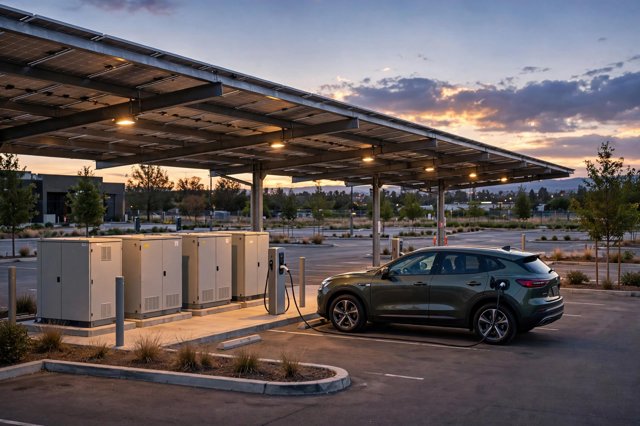
What Did Chery Show at the Wuhu Summit?According to Chery's official release via GlobeNewswire on October 16, 2026, its intelligent energy centre combines photovoltaics, storage and charging in one site, forming a local microgrid that also supports megawatt-level ultra-fast charging.
The centrepiece is the V2G demonstration station, described by Chery itself as the country's first large-scale AC V2G demonstration of its kind. The idea is simple: cars charge when electricity is cheap, and send power back when demand peaks.
Chery also presented a home-side Energy Cube, described as solar plus battery storage plus bidirectional charging. The release did not publish a V2G output power, an Energy Cube capacity, or any price — so none should be guessed until Chery confirms them.
V2L and V2G are not the same thing. Vehicle-to-load (V2L) lets a car power appliances directly through a socket or adapter — camping gear, tools, or a fridge during an outage. It is a one-way, car-to-appliance feature.
Vehicle-to-grid (V2G) goes a step further: the car interacts with the electricity grid itself. It charges off-peak, discharges at peak, and, in Chery's own carefully worded phrase, can supply homes and communities during a blackout "where supported." Those two words are the whole story of this article.
That direction deserves credit. A fleet of parked EVs is a huge distributed battery, and peak shaving with it solves a real grid problem. A scaled demonstration is a genuine first step, not a gimmick.
Why Is the Chery V2G Demo Not Home Backup Yet?Because V2G at home needs three things to line up at the same time, and today they rarely do:
Only specific models with the right factory hardware can feed power back. A car sold without bidirectional capability cannot gain it later with a simple adapter or software update.
Ordinary home chargers flow one way. V2G needs a certified bidirectional charger, correctly installed and connected to your home circuits — equipment, installation and approval included.
Your local grid operator and electricity pricing rules must allow export from a vehicle, and the pricing must make off-peak charging and peak discharge worthwhile. This is exactly what "where supported" means: support varies by city, utility and country.
A demonstration station at a summit proves the technology works in a controlled microgrid. It does not mean those three conditions are in place at your house today.

A standalone system splits the job into parts you control today:
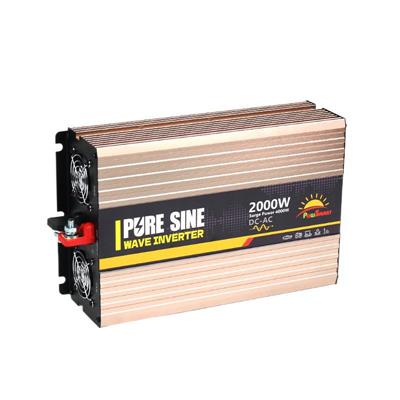
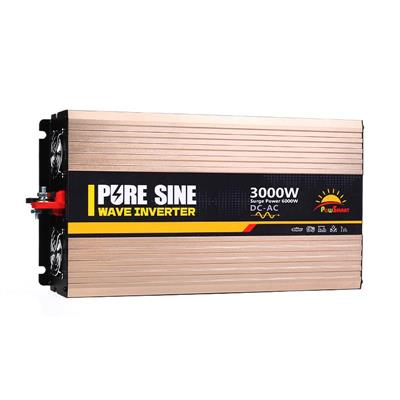
Inverter sized by load: list your critical loads — lights, router, fridge, medical device, small cooking appliance — add up what runs at the same time, and choose a pure sine wave inverter in the 300W to 6,000W range that covers that total plus start-up surge headroom.
Battery sized by time: runtime is battery energy divided by load. Size the battery for the hours you need, independent of the inverter. Add capacity later without replacing the inverter.
Repairable by part: if the battery ages or the inverter fails years later, you replace that one part, not a car, not a charger, and not a whole all-in-one system.
No car required at home: the backup works whether the car is home, at work, or sold. It also works for households with a petrol car or an older EV that will never support V2G.
The same inverter family also serves on the road: a 12V, 24V or 48V unit can run from a vehicle battery in an RV, van or truck, and from a home storage battery during an outage, if the DC voltage matches and wiring is correct.
How Do You Size a Standalone Backup Inverter?Backup is for essentials, not the whole house at once. A typical essential list — LED lights, Wi-Fi router, phone charging, a fridge and a laptop — often totals well under 1,000W running power, though the fridge adds a start-up surge.
Motors and compressors draw several times their running power at start. Always choose pure sine wave output for fridges, chargers, electronics and anything with a motor, and leave headroom above the running total.
A 2,400Wh usable battery running a 400W average essential load lasts about six hours. Double the battery if you need double the time — the inverter does not need to change.
Use short, thick DC cables, a correctly rated fuse close to the battery, secure terminals and free airflow. High-power inverters draw high DC current, so cable and fuse sizing are safety requirements, not options.
No. V2L powers appliances directly from the car. V2G exchanges power with the grid through a bidirectional station, under local grid and tariff rules. Chery's Wuhu site is a V2G demonstration, not a V2L socket on a production car you can use at home today.
No. The October 16, 2026 release did not state a V2G output power, an Energy Cube capacity or any price. Anyone quoting those figures is guessing.
When three things coincide for your address: a bidirectional-capable car, a certified bidirectional home charger, and grid and tariff approval where you live. Timelines differ by market, which is why the release itself says "where supported."
Yes. A correctly sized pure sine wave inverter with its own battery runs critical loads off-grid today, without a specific car model, a bidirectional station, or tariff permission. Size the inverter by simultaneous load and the battery by required hours.
Cool Tech, Right OrderChery's V2G demo points to a real future — cars helping stabilise the grid is a direction worth building. But a summit demonstration station is step one, not a home product. If you need backup power this winter, do not wait for the car, the station and the policy to align.
Not sure which inverter size fits your critical loads, or how much battery you need for your expected outage hours? Contact Zhejiang Sunrise New Energy Co., Ltd. at cninverter.com with your appliance list, and we will recommend the right pure sine wave inverter size for your setup.

We use cookies to enhance your browsing experience, serve personalized ads or content, and analyze our traffic. By clicking "Accept All", you consent to our use of cookies.