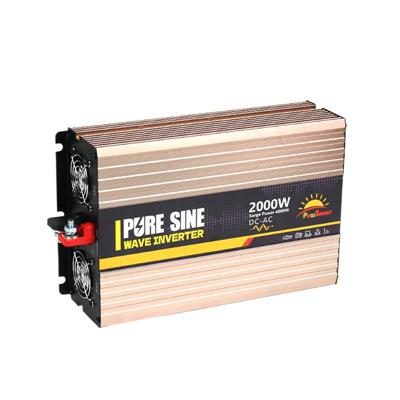
 A 600W portable power station is enough for lights, a router, cameras and charging — but it is not enough for a kettle, a hot plate, a power drill or an air conditioner. At the Canton Fair in Guangzhou (October 15–19, Hall 14.2), CARKU launched three new portable power stations, and the highest clearly stated continuous AC output in the announcement was 600W. If your loads go past that line, you do not need a bigger all-in-one box — you need a standalone inverter sized to the load, paired with a battery sized to the runtime.
CARKU presented three models: the PB-102, the PB-120 and the PB-122. The PB-102 is the flagship, with a 2kWh lithium iron phosphate battery, a weight of 16.5kg, UPS backup function and cells rated for more than 8,000 cycles. The launch announcement did not state the PB-102's AC output power, so buyers who need that figure should confirm it with the maker before ordering. The PB-120 provides 600W continuous AC output, 100W PD fast charging, UPS function and a vehicle jump-start function. The PB-122 provides 400W output, weighs 3.5kg and adds a high-brightness LED spotlight and UPS function. No prices were announced in the launch release.
Credit where it is due: packing 2kWh into 16.5kg with 8,000-plus cycle life is genuinely light and durable for camping and light home backup, and combining jump-start with a 600W station in the PB-120 is a smart idea for drivers. For light loads, these are sensible products.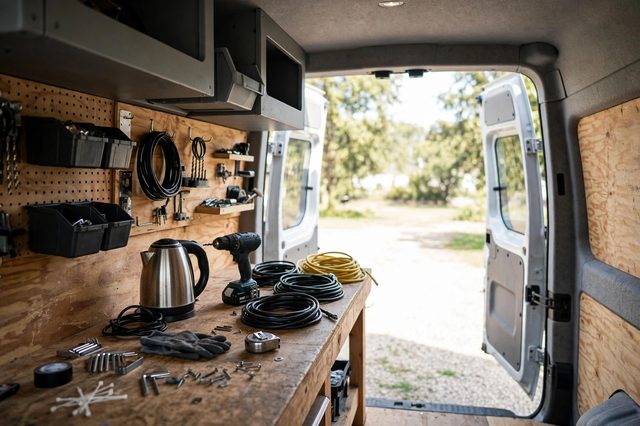
LED lights, a Wi-Fi router, a laptop, phone and camera chargers, a drone battery charger, a small fan and a mini projector all sit well below 600W, even when several run at once. For an evening of camping or keeping the internet alive during a short outage, 600W is plenty.
An electric kettle, an electric hot plate or grill, many power drills and a room air conditioner will each exceed 600W on their own — a typical kettle alone draws well over 1,000W. Motor-driven tools also draw a start-up surge several times their running power. When a load crosses the limit, an all-in-one station simply shuts down or refuses to start it; there is no setting to change, because the inverter inside the box is fixed at the factory.
Why Is a Separate Inverter More Flexible Than an All-in-One?An all-in-one station welds two decisions together: output power and battery capacity are both fixed when you buy it. A separate system splits them. You choose the inverter by load — anywhere from 300W to 6,000W in the REP pure sine wave range — and you choose the battery by how many hours you need to run. Need more runtime? Add battery capacity without replacing the inverter. Need more power? Fit a larger inverter and keep the battery you already own. If one part fails years later, you replace that part, not the whole system.
A separate inverter also connects directly to a vehicle battery, a leisure battery in an RV or a home storage battery, so the same unit can serve in a work van during the week and as home backup at the weekend.
How Do You Size a Bigger Inverter?Write down each appliance and its rated power, then add the ones that will run at the same time. That simultaneous total is your minimum continuous rating — then add headroom for motor start-up surges.
For example, lights, a router and laptops may need only 300W–600W. A kettle plus small cooking appliances points to 1,500W–2,000W. Power tools in a work van, or a small air conditioner, usually point to 2,000W–3,000W or more. Always choose pure sine wave output for laptops, chargers, audio gear and anything with a motor or a sensitive power supply.
Runtime is battery energy divided by load: a 1,200Wh usable battery running a 600W load lasts about two hours. Size the battery for the hours you need, independently of the inverter size.
Use short, thick DC cables, a correctly rated fuse close to the battery, secure terminals and free airflow around the inverter. High-power inverters draw very high DC current, so cable and fuse sizing are safety items, not accessories.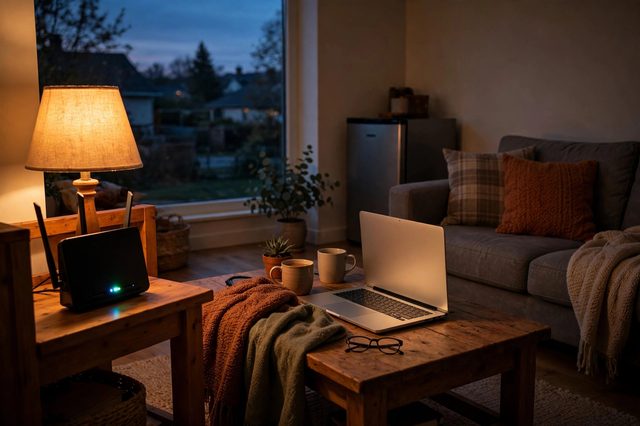
Choose the all-in-one station if your loads stay under its rating, you value one light box, and you want UPS and jump-start built in. Choose a separate inverter and battery if any single load exceeds 600W, if you expect your loads to grow, or if you want to expand capacity later without replacing everything. Many drivers end up with both: a small station for light camping, and a properly sized inverter in the van or at home for the heavy loads.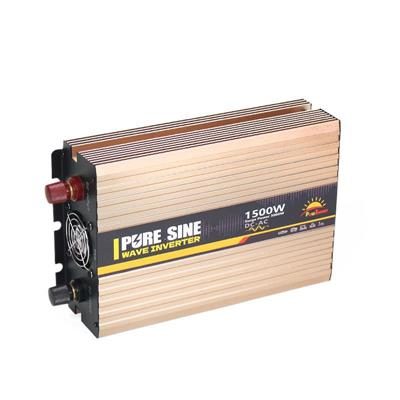
No. A typical electric kettle draws well over 1,000W, so it exceeds a 600W continuous limit. You would need an inverter rated at or above the kettle's power, with surge headroom.
The Canton Fair launch announcement listed the PB-102's 2kWh battery, 16.5kg weight, UPS function and 8,000-plus cycle life, but did not state its AC output power. Confirm that figure with the maker before buying for a specific load.
A much larger inverter idles at a slightly higher standby draw, which is why sizing matters: pick the smallest inverter that covers your simultaneous loads plus surge headroom, rather than the largest available.
Yes. A standalone 12V, 24V or 48V pure sine wave inverter can run from a vehicle or leisure battery on the road and from a home storage battery during an outage, as long as the DC voltage matches and the wiring and fusing are correct for each setup.
Not sure whether 600W covers your loads, or which inverter size fits your van, RV or home backup plan? Contact Zhejiang Sunrise New Energy Co., Ltd. at cninverter.com with your appliance list, and we will recommend the right pure sine wave inverter size for your setup.

We use cookies to enhance your browsing experience, serve personalized ads or content, and analyze our traffic. By clicking "Accept All", you consent to our use of cookies.