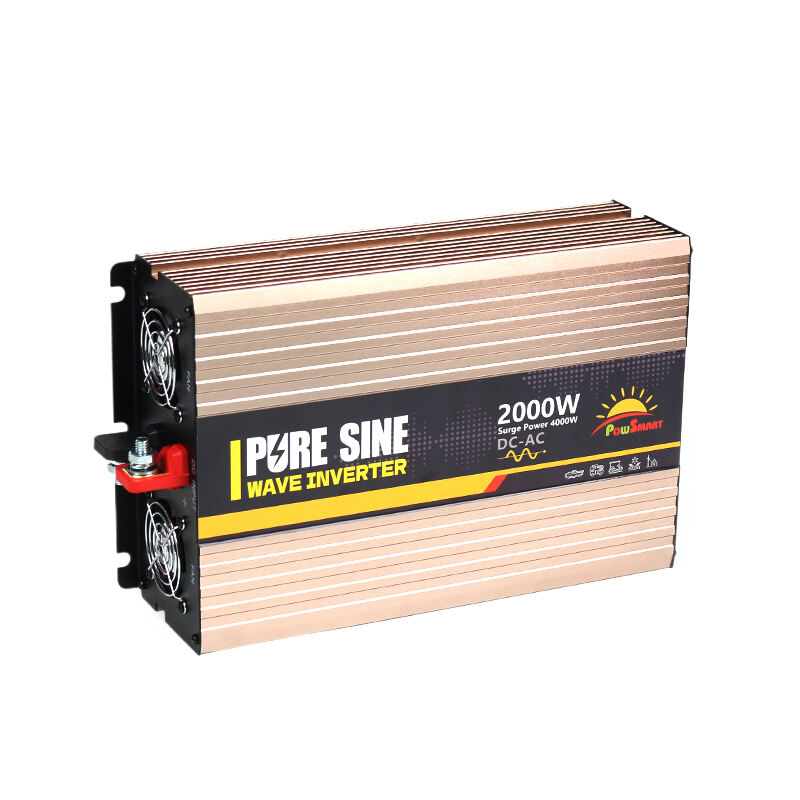
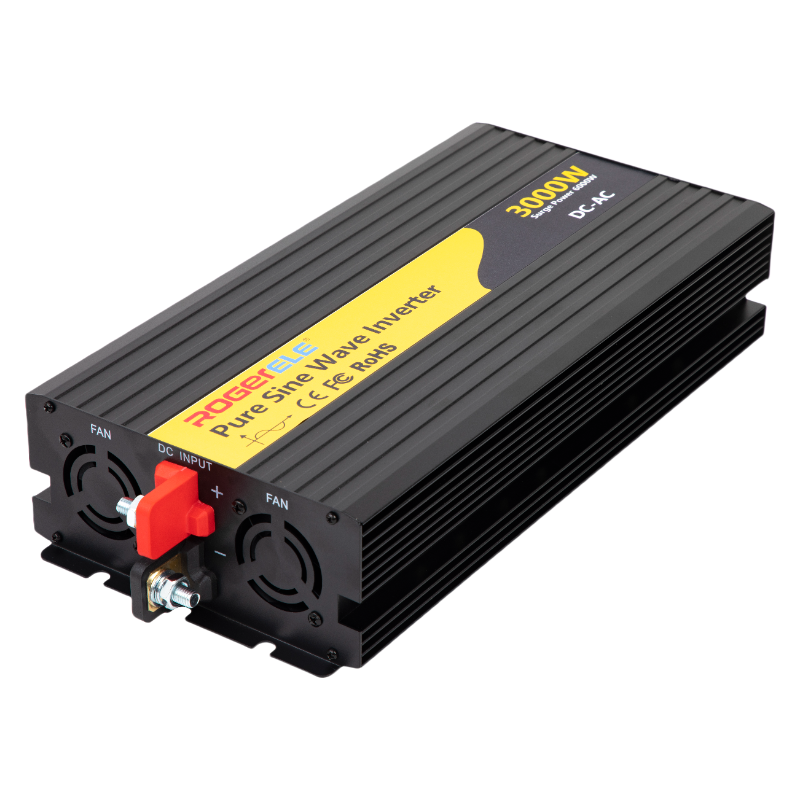
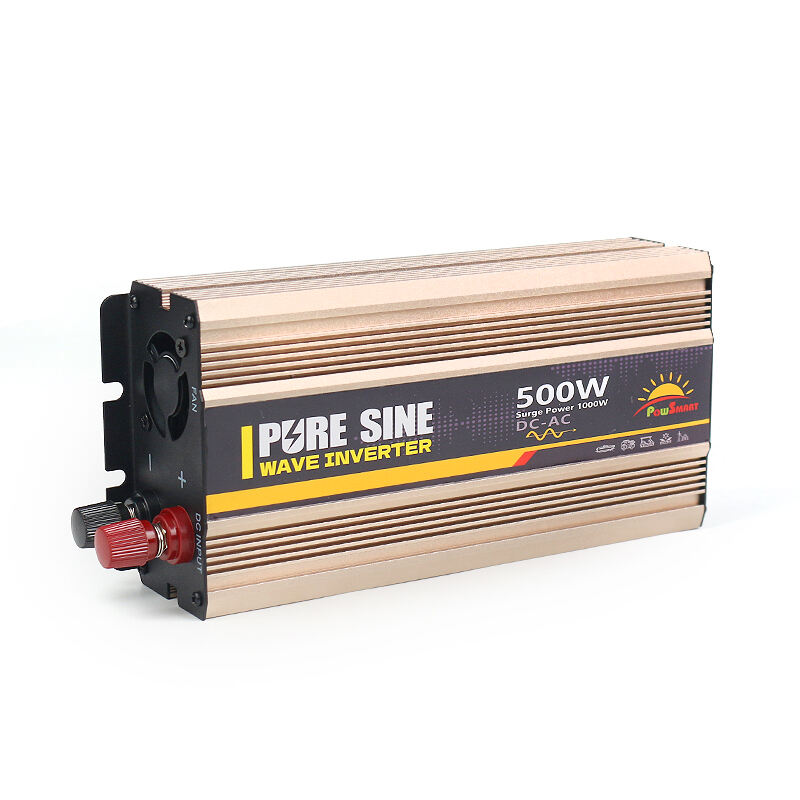
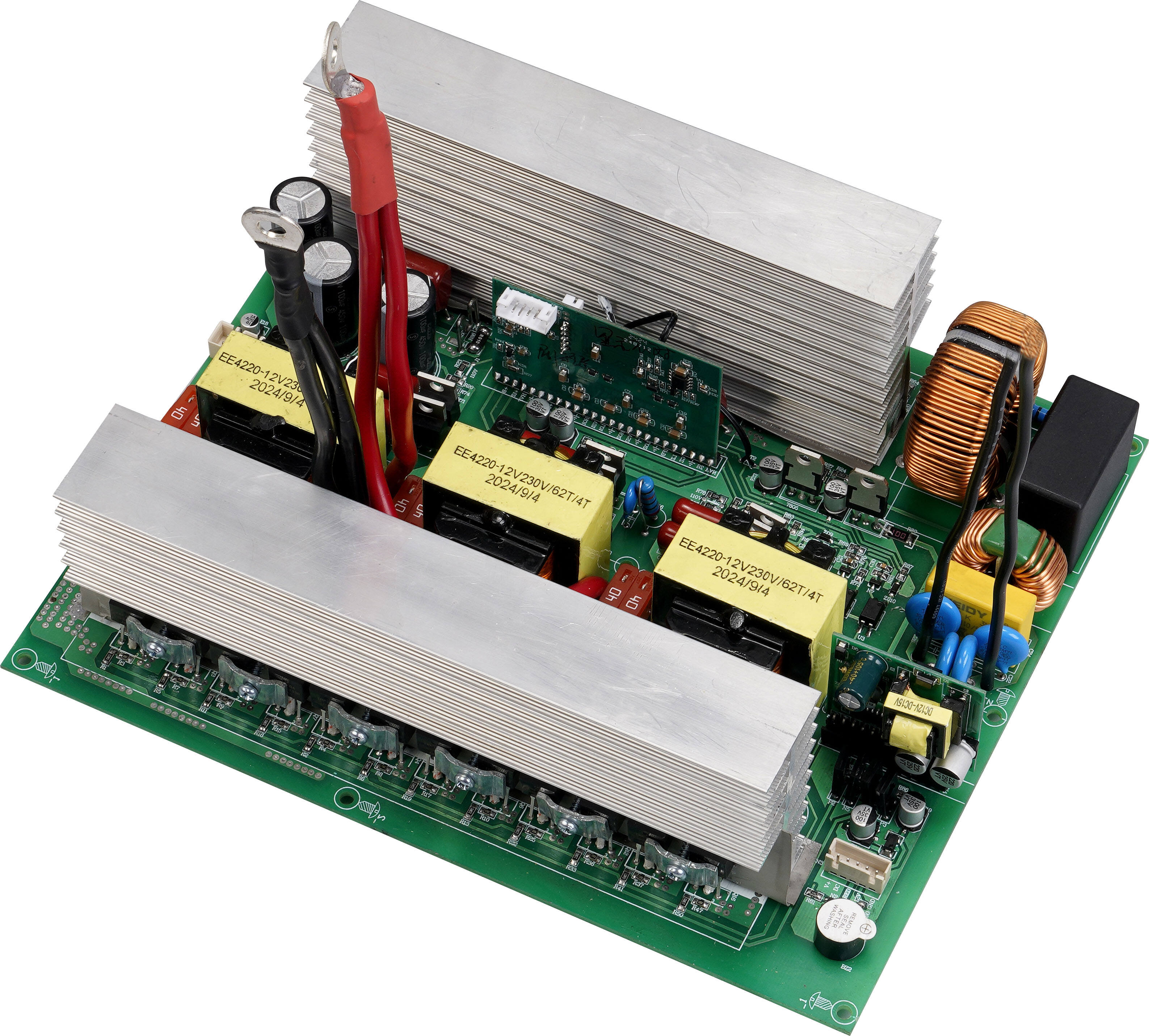
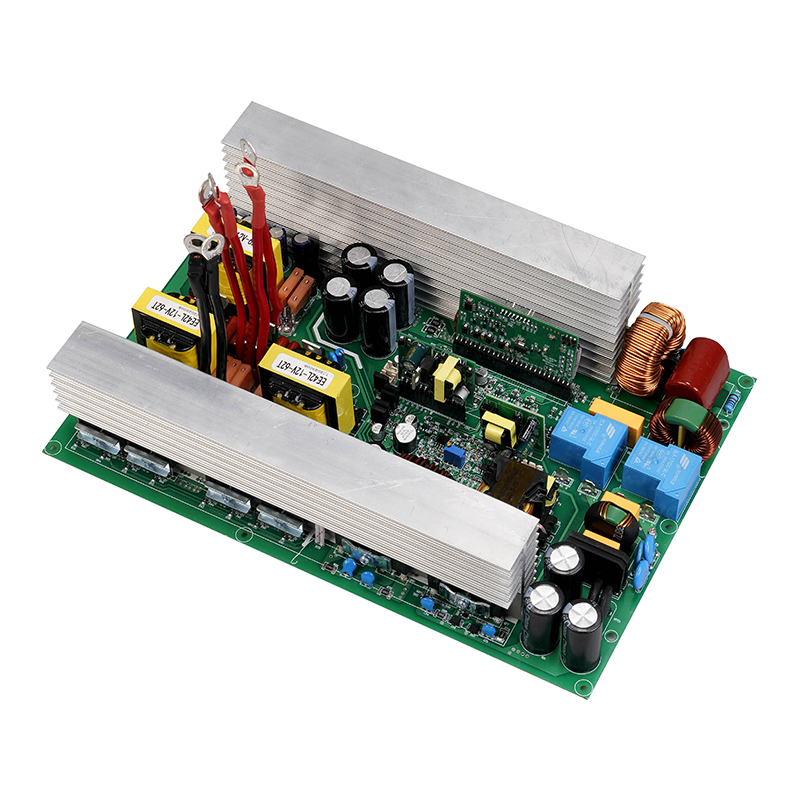
Power inverters are crucial devices for anyone looking to operate AC-powered appliances using DC power sources, like those in cars. By performing a conversion process, the inverter takes Direct Current (DC) from a battery and transforms it into Alternating Current (AC), which is the type of electricity used by most household electronics. This DC to AC conversion involves intricate inverter circuits that adjust the electrical waveform to ensure compatibility with conventional AC devices. For example, during road trips or camping adventures, power inverters are invaluable as they allow you to use gadgets like laptops and small kitchen appliances by converting the car's DC battery power into usable AC power. Therefore, understanding the function of power inverters can make your travels more convenient and efficient.
Car chargers, on the other hand, are designed for the direct transfer of energy from a vehicle’s battery to electronic devices, streamlining the charging process. These systems typically utilize USB or proprietary connections, establishing an efficient and user-friendly charging solution for small devices. The hallmark of car chargers is their ability to quickly recharge devices like smartphones and small gadgets either while the vehicle is running or moments of idling. Their efficiency lies in the direct energy flow, providing swift and hassle-free power restoration. This characteristic makes car chargers an essential accessory for drivers who need a reliable method to keep their small electronics powered during everyday commutes and travel.
When it comes to choosing between power inverters and car chargers for vehicle use, the core functional differences lie in their energy application and versatility. Power inverters are engineered to convert energy formats, thereby providing the flexibility to run multiple devices simultaneously, which is highly advantageous on longer trips. They allow for a versatile supply of power, essential for powering larger devices and appliances beyond just smartphones and tablets. Conversely, car chargers focus on being compact, portable units, tailored for direct, quick energy refills of smaller electronic gadgets. The choice between the two usually depends on the user's specific needs—whether they seek a multifunctional power source for extensive use or a simple charger for routine electronic device maintenance.
Power inverters prove to be invaluable when powering electronic devices like laptops or small appliances while on the move. Their ability to convert DC from a vehicle's battery into AC makes them vital for running standard devices that require AC power. With inverters, one can easily maintain home-like comforts in environments such as RVs or campers, where access to regular power outlets is limited. In practical terms, inverters have been seen efficiently powering a range of devices from coffee makers to gaming consoles, enhancing the travel experience by allowing users to enjoy creature comforts.
Electric Vehicles (EVs) feature exclusive systems tailored for their charging needs, offering substantial benefits over traditional car chargers. Unlike basic car charging solutions, dedicated EV chargers incorporate intelligent technology ensuring optimal charge times and preserving battery longevity. This advanced technology substantially reduces the charging time — a critical aspect highlighted by industry statistics. For example, utilizing a specialized EV charging system can decrease charging time by as much as 50% compared to using old-fashioned standard volt chargers, enhancing the convenience and efficiency of EV ownership.
Using power inverters can lead to potential battery drain risks, primarily if operated for extended periods without the vehicle running. It's crucial to maintain battery vigilance and consider supplementary battery systems, which can help avoid unnecessary battery depletion during trips. Automotive authorities advise regular checks on battery health to prevent sudden failures. For instance, ensuring that the engine is started periodically when using high-wattage inverters can help maintain battery charge, mitigating the risk of being stranded due to a drained battery.
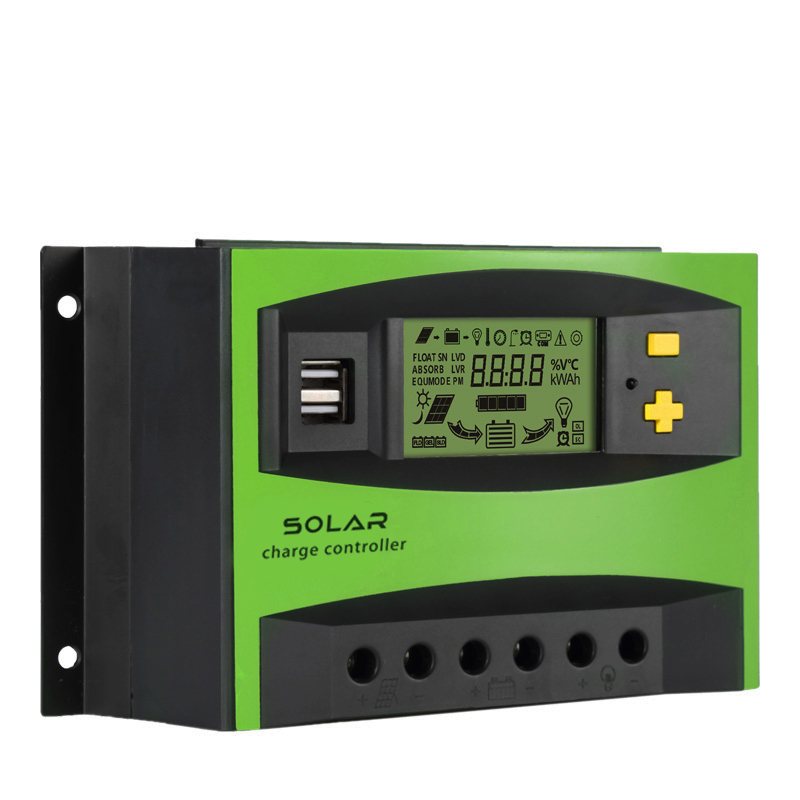
Integrating solar power systems with power inverters is a transformative approach that significantly enhances energy efficiency by harnessing renewable energy sources. Solar panel setups require inverters to convert the harvested solar energy from DC to AC, making it usable electricity for homes and vehicles. This conversion process is crucial, as it ensures that solar power can operate standard electrical devices, from household appliances to vehicle systems. The growing adoption of solar energy has spurred innovations in inverter technology, leading to the development of optimized systems that improve performance and expand energy storage capabilities. These advancements underscore the increasing importance of solar panels and their synergy with inverters in the pursuit of sustainable energy solutions.
Solar-ready systems represent a groundbreaking integration of photovoltaic panels with electric vehicle charging infrastructure, allowing EVs to charge directly from solar energy. This seamless connection offers significant benefits, such as reducing dependency on grid electricity and promoting eco-friendlier transportation options. The rise of specialized chargers designed to optimize energy utilization and charging speed highlights the viability of solar-ready setups. Data from solar communities indicates a growing trend of EV adoption alongside solar installations, illustrating a synergistic relationship that not only benefits the environment but also exemplifies the potential of solar energy as a driving force for cleaner transport solutions. This integration is a testament to the effectiveness of solar as a primary energy source for modern, sustainable living.
Hybrid systems that integrate solar power, inverters, and lithium batteries are paving the way for advanced energy solutions in vehicles. Lithium batteries are known for their efficiency, extended lifespan, and rapid charging capabilities, making them perfect companions to solar inverters. These batteries facilitate the effective use of solar energy, ensuring that vehicles can operate with reduced environmental impact and increased reliability. Research shows that these hybrid setups contribute to significantly reduced carbon footprints and decreased reliance on fossil fuels. By combining the strengths of lithium batteries and solar power, these systems represent an innovative approach to energy management that supports both environmental sustainability and enhanced vehicle performance. This synergy is crucial in advancing towards a greener, more energy-efficient future.
When it comes to installation complexity, power inverters can present quite a challenge. Their setup often requires professional assistance to ensure both optimal performance and safety. This complexity stems from the need to correctly integrate with existing electrical systems and manage the conversion from DC to AC power effectively. On the other hand, car chargers offer a stark contrast with their user-friendly and typically plug-and-play designs, which make them accessible for personal installation without much hassle. Industry studies have highlighted that improper installation of inverters can lead to not only reduced efficiency but also potential hazards, underlining the importance of professional oversight. Understanding these differences is crucial for making informed decisions, especially when considering the cost and functional implications.
The maintenance requirements for power inverters and car chargers differ significantly. Power inverters generally necessitate regular maintenance to maintain efficiency, which includes tasks like checking wiring and inverter health. This ongoing upkeep ensures they operate effectively and do not pose any safety risks. In contrast, car chargers are simpler devices, requiring minimal maintenance beyond the routine checks of the cables. Research suggests that while power inverters may involve a higher initial investment and greater maintenance demands, their longevity and potential for long-term reliability can lead to significant cost savings over time. This potential for sustained efficiency and cost-effectiveness makes them a viable option for those considering long-term energy solutions.
Scalability is a major consideration when planning for future energy needs. Power inverters offer a significant advantage in this regard, as they allow for system expansion and upgrades to accommodate increasing energy demands. This scalability makes them particularly appealing in the context of growing energy consumption trends and the shift towards renewable sources. Conversely, car chargers are often restricted to the capabilities of current vehicles, potentially limiting their ability to adapt to future developments or changes in infrastructure. Market trends are showing an increasing preference for renewable energy options and more scalable solutions, encouraging users to consider technologies that can grow with their energy needs, such as advanced power inverters.
Understanding personal driving habits is pivotal in selecting the right solution between power inverters and car chargers. If you often find yourself on the road using various heavy electronic devices, a power inverter can be a wise investment due to its ability to supply constant power to multiple devices simultaneously. On the other hand, casual drivers may find a car charger sufficient to meet their needs, providing a cost-effective way to keep devices powered without overspending on capabilities they won't utilize. Thus, aligning your system choice with your typical travel routine helps in avoiding unnecessary expenditures and optimizing functionality.
Incorporating solar solutions into your vehicle's electrical system can be a game-changer for sustainable energy usage. Evaluating your current setup is essential to determine compatibility with solar panels and energy systems. It's crucial to consider specifications of power inverters that support solar integration to ensure seamless operation. Seeking expert guidance is beneficial, especially for complex installations, as it helps ensure optimal system performance. Understanding solar compatibility not only aids in selecting the right product but also maximizes the benefits of green energy adoption through efficient solar power usage.
To streamline the process, having a decision checklist can be immensely helpful for vehicle owners choosing between power inverters and car chargers. This checklist should encompass factors like the power consumption of your devices, the frequency of expected travel, and your interest in integrating renewable energy solutions in the future. Evaluating these aspects can lighten decision-making loads. Furthermore, consulting product reviews and expert recommendations can provide additional insights, ensuring that the selected solution meets your long-term needs effectively. By making informed decisions, vehicle owners can enjoy enhanced efficiency and performance tailored to their requirements.

Explore our range of power inverters, solar hybrid inverters, solar charge controllers, and solar panels. Our lithium batteries and solar PV systems ensure optimal energy efficiency and reliability.
No8-88 of Xingye North Road,Youli Industrial Zone,Liushi Town,Yueqing of Wenzhou City, Zhejiang Province
Copyright © 2024 Zhejiang Sunrise New Energy Co., Ltd. Privacy Policy
 EN
EN
 Hot News