Car power inverters fundamentally convert DC power to AC power, and understanding the distinction between pure sine wave and modified sine wave inverters is critical. A pure sine wave inverter produces power akin to what comes from your home outlets, making it ideal for sensitive electronics like laptops, CPAP machines, and audiovisual equipment. Its operational mechanism is more complex, yet it ensures clean and stable electricity, preventing device damage. Conversely, modified sine wave inverters offer a simpler, cost-effective solution, perfect for basic appliances such as toasters or phone chargers. However, their waveform is less compatible with high-tech gadgets, potentially causing performance issues. Experts suggest pure sine wave inverters in scenarios requiring reliable power for sensitive electronics, while modified sine inverters suit basic, non-sensitive devices. Data often shows pure sine wave inverters boast higher efficiency ratings, which is crucial when reliability is paramount.
Choosing between a 12V inverter and a direct battery connection involves understanding your car's power needs. A 12V power inverter, connected via the cigarette lighter socket, is appropriate for low-power devices like mobile phones or tablets, offering convenience and portability. For high-power applications like power tools or kitchen appliances, a direct battery connection is recommended. This setup provides reduced voltage drop and enhanced efficiency, ensuring adequate power supply without straining the vehicle’s electrical system. Devices like electric drills or portable fridges benefit significantly from direct connections, illustrating why assessing your power needs and vehicle specifications is essential before choosing the setup. For instance, if road trips involve running several devices simultaneously, direct battery connection can offer a more reliable solution compared to a 12V inverter.
Staying updated with essential features in car power inverters enhances usability and safety. USB-C ports reflect trends towards universal, faster charging, accommodating a wide range of modern devices effortlessly. Overload protection is essential for safeguarding not just the inverter but also the connected devices, adhering to recognized safety standards. Effective cooling systems are pivotal; they prevent overheating, thereby increasing the inverter’s reliability and lifespan. These features cater to consumer preferences for convenience and safety, influencing purchasing decisions strongly. As reliance on technologically advanced devices grows, particularly for travel or remote work, choosing an inverter with these features ensures seamless and secure power availability. User demands are increasingly veering towards such advanced features, underscoring their importance as standard options in future models.
Car power inverters are essential companions for road trips, enabling travelers to power appliances like portable refrigerators and cooking devices, enhancing convenience and comfort on the go. Recent statistics show a rise in camping and outdoor activities, highlighting the demand for reliable power sources in remote areas. User testimonials often emphasize how inverters contribute to a hassle-free travel experience, providing continuous power for various gadgets. You may power devices such as electric coolers, coffee makers, and portable stoves. Each appliance has its specific power requirements, usually ranging between 100W to 450W, depending on its complexity.
With more professionals embracing remote work, car power inverters have become invaluable by providing the means to charge laptops and other essential devices. A growing trend in mobile offices supports this demand, with statistics indicating an increase in remote work arrangements. According to experts, having a stable power source is crucial for maintaining productivity. When selecting a power inverter for professional use, consider charging needs and portability. Opt for an inverter with a 12V adapter for light devices, and battery clamps for heavier loads, ensuring it’s suitable for moving between different workspaces.
In emergencies, car power inverters play a critical role in powering essential medical devices like CPAP machines, offering a crucial backup power source in vehicles. Statistics on emergency preparedness emphasize the importance of having reliable power in critical situations. Safety measures when using inverters ensure safe operation and can aid in life-saving scenarios. When choosing an inverter for medical use, focus on reliability and continuous power output to maintain uninterrupted operation. It is advisable to select a pure sine wave inverter, known for delivering clean and stable power ideal for sensitive electronics.
Determining the wattage requirements for the devices you want to power with a car power inverter is crucial. The process starts with identifying the wattage of each device, which can often be found on labels or in user manuals. For commonly used gadgets, here are a few examples: smartphones typically require around 5-15 watts, laptops need 50-150 watts, and small kitchen appliances might demand anywhere from 150 to 1000 watts. Some devices, especially those with motors or compressors, also have surge wattages, which are short-term power spikes necessary for startup. It's essential to account for these additional demands to ensure your inverter can handle them. Utilizing online wattage calculators can simplify this process, helping you match your power needs effectively to the inverter's capacity.
When selecting a car power inverter, prioritizing safety features like overheat shutdown mechanisms and fuse protection is vital. These features work by automatically shutting down the device or breaking the circuit when excessive heat or current is detected, preventing potential damage or accidents. According to stats from consumer safety organizations, incidents related to inverter failures often highlight the importance of these safeguards. It's recommended to choose inverters that comply with safety standards released by regulatory bodies such as UL. By considering your intended use, ensure the inverter's safety features align with your responsibilities, ensuring both your vehicle's and devices' reliability.
Understanding the trade-offs between compact and high-capacity power inverters is vital for making an informed choice. Compact inverters are lightweight and easily portable, perfect for hiking or other adventures where gear needs to be minimal. Conversely, high-capacity inverters offer substantial power output, ideal for situations demanding more electricity like road trips or extensive camping setups. While compact inverters prioritize portability, high-capacity options cater to users with significant appliance needs. Assessing personal power requirements against portability preferences ensures you select the best inverter tailored to your specific lifestyle and power demands.
Smart voltage monitoring systems are essential to prevent battery drain when using a car inverter. These systems help maintain the health of your vehicle's battery by monitoring voltage levels and ensuring that the inverter doesn't draw excessive power. Without monitoring, inverters can deplete your battery, leaving you stranded. Experts recommend choosing an inverter equipped with voltage monitoring features that alert you when the battery falls below a safe threshold. This can be crucial in maintaining your inverter's efficiency and prolonging battery life. Integrating voltage monitoring with your car's electrical system is a smart step towards achieving optimal performance and ensuring reliable power delivery throughout your journey.
Proper placement of your power inverter is vital for effective operation and safety. To prevent overheating, it's crucial to ensure airflow around the device. Place the inverter in a ventilated area away from direct sunlight and combustible materials. Additionally, efficient cable management can significantly extend the lifespan of your inverter. Ensure that cables are routed safely and securely to avoid wear and tear, following paths that prevent crimping or excessive bending. Statistics indicate that poor cable management often leads to performance issues and potential hazards. General guidelines for secure mounting include using durable brackets and positioning the inverter to withstand vehicle movements without shifting or becoming loose.
Regular maintenance, including cleaning and performance checks, is crucial for extending the lifespan of car power inverters. Dust and debris can accumulate on vents and connection points, causing overheating and inefficiencies. A maintenance checklist should include tasks like dusting inputs, verifying connection integrity, and assessing the inverter's operational status. Experts recommend performance checks at regular intervals, as well as looking for signs like unusual noise or heat that may require professional evaluation. To ensure reliability, always refer to the manufacturer's guidelines for maintenance best practices. By doing so, you can keep your inverter running smoothly and avoid unexpected failures.

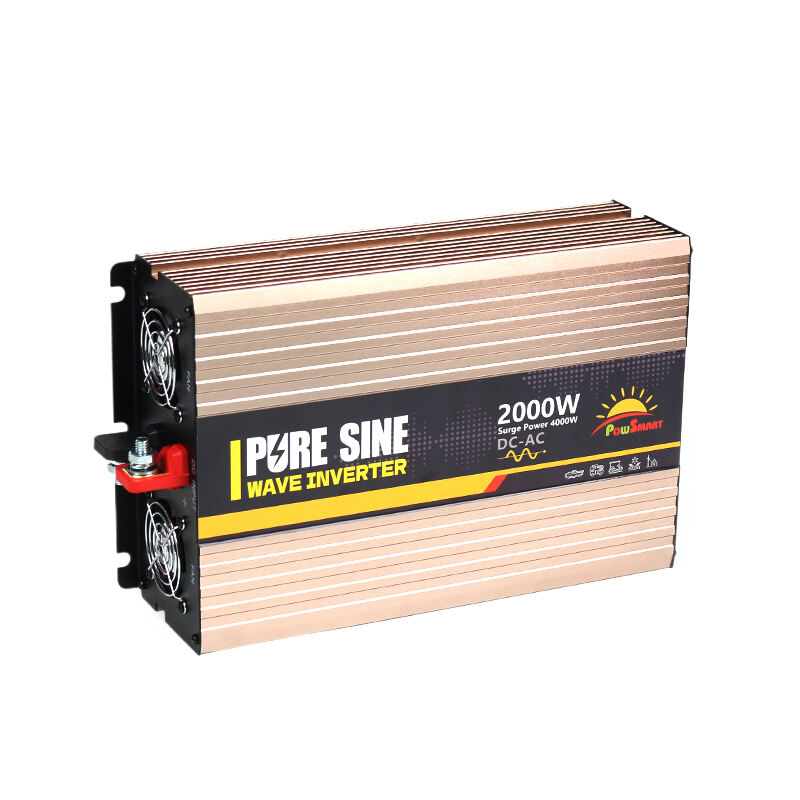
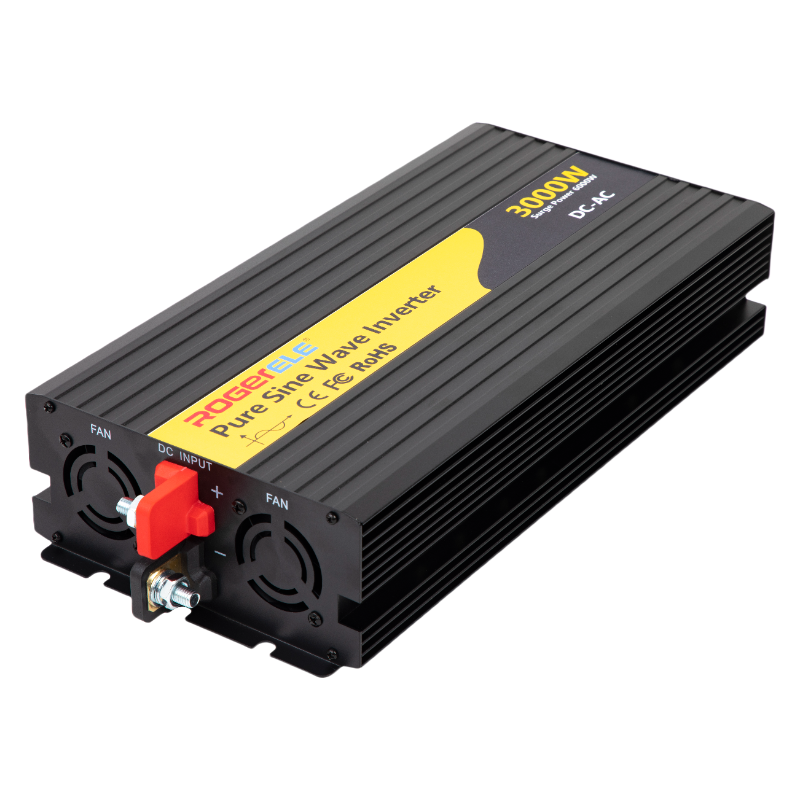
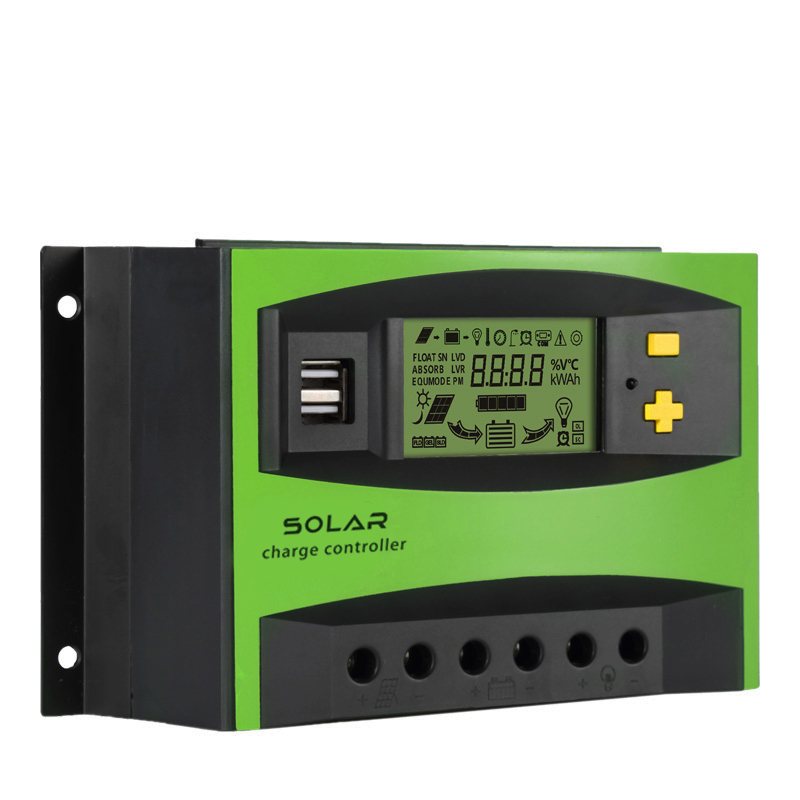
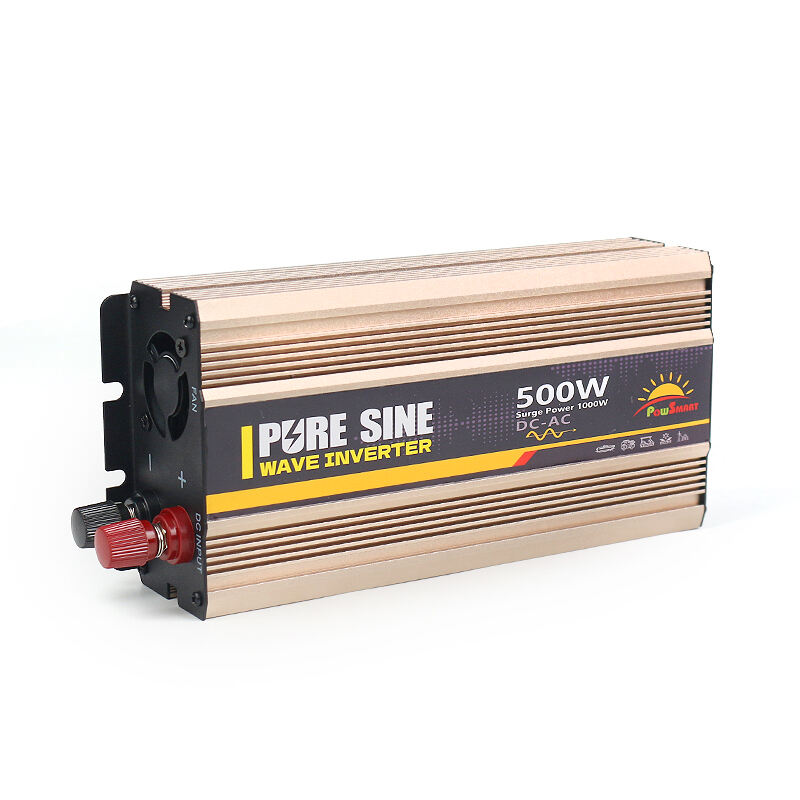
Explore our range of power inverters, solar hybrid inverters, solar charge controllers, and solar panels. Our lithium batteries and solar PV systems ensure optimal energy efficiency and reliability.
No8-88 of Xingye North Road,Youli Industrial Zone,Liushi Town,Yueqing of Wenzhou City, Zhejiang Province
Copyright © 2024 Zhejiang Sunrise New Energy Co., Ltd. Privacy Policy
 EN
EN
 Hot News