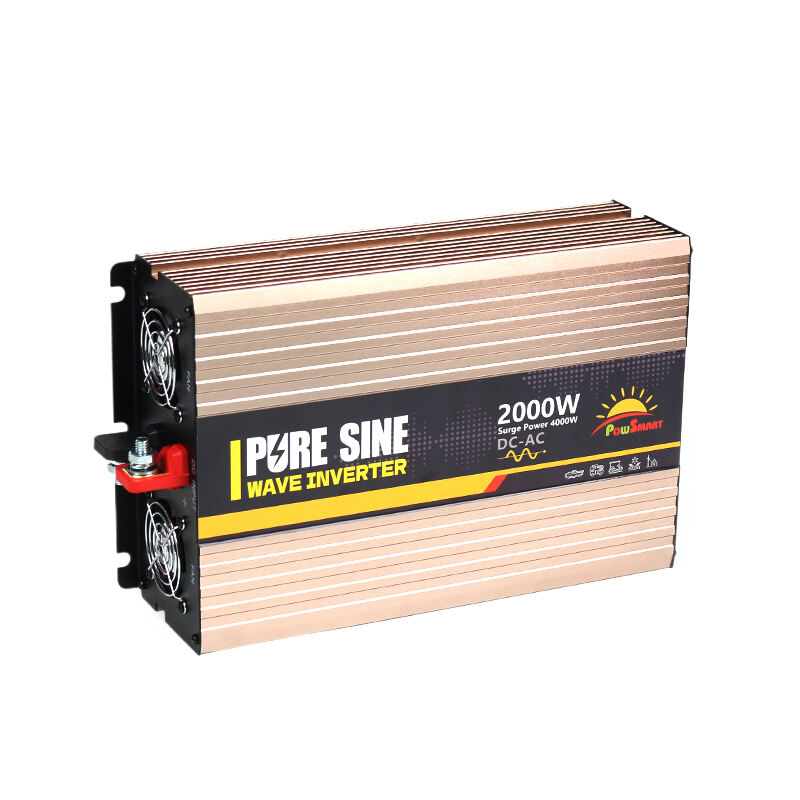
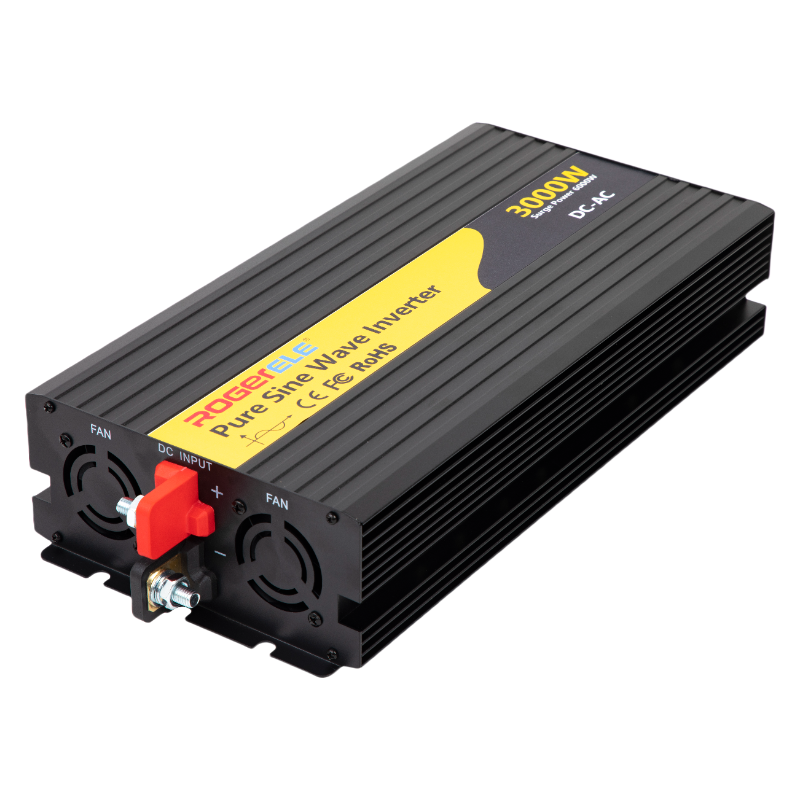
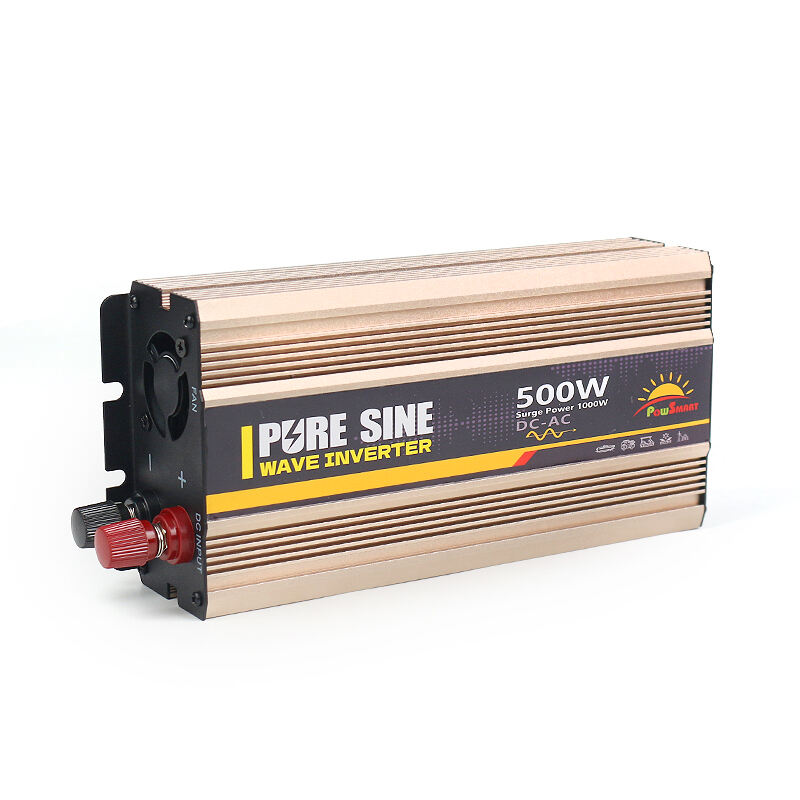
Pure sine wave inverters are distinguished by their ability to generate a smooth and continuous waveform similar to the power from utility grids. This waveform is crucial for operating sensitive electronics without risk of malfunctions. In essence, these inverters mimic the natural waveforms produced by grid power, thereby granting compatibility with a broad range of devices, from digital microwaves to laptops. Furthermore, pure sine wave inverters significantly reduce harmonic distortion, which minimizes electrical noise and enhances device longevity. This means that when using such inverters for essential applications, like solar power systems or lithium battery setups, the risk of damaging your devices from erratic power flows is considerably lowered.
The quality of waveforms produced by pure sine wave inverters is paramount for ensuring power reliability across various applications. High-quality waveforms prevent overheating and reduce the wear and tear on appliances, consequently prolonging their lifespan. This is particularly vital when dealing with medical equipment that requires precise power delivery to function correctly and safely. In industries where precision is critical, such as telecommunications or solar panel operations, waveform quality guarantees consistent performance and reliability, ensuring that there is no disruption in service. Furthermore, sensitive electronics powered by these inverters receive stable power, which prevents scenarios that could otherwise lead to operational inefficiencies or failure. With waveform reliability, users can confidently engage with equipment without fears of catastrophic power issues.
Pure sine wave inverters provide a true sine wave output, matching the reliable electrical characteristics akin to those delivered by utility companies. This seamless alignment is crucial for high-end electronics like computers and audio/visual equipment that demand a stable and consistent power supply. Such precision minimizes disturbances during operation, ensuring that devices perform optimally without the risk of damage due to irregular power inputs.
Pure sine wave inverters are exceptionally compatible with solar panels and lithium batteries, facilitating optimized energy management. This compatibility enables the efficient conversion of solar energy into usable power, which is essential for enhancing the overall performance of off-grid systems. By integrating seamlessly with solar setups, pure sine wave inverters maximize renewable energy utilization, thereby promoting sustainable living practices.
Overload protection is a vital feature of pure sine wave inverters, safeguarding devices from damage due to excessive current. This protective mechanism ensures the safety and longevity of connected equipment, particularly during unexpected power demands. Additionally, the surge capacity of these inverters is crucial for managing temporary spikes in power consumption, often encountered in appliances like refrigerators. This capability guarantees reliable power delivery even during high-demand scenarios.
Understanding the difference in waveform output between pure and modified sine wave inverters is crucial for ensuring proper functionality of electrical devices. Pure sine wave inverters deliver a smooth output, closely resembling the natural waveform found in grid electricity. This stable output is ideal for sensitive electronics, minimizing the risk of interference or operational errors. In contrast, modified sine wave inverters produce a stepped waveform, which may disrupt the functioning of sensitive devices such as audio/visual equipment or computers. The choice between these inverters should be guided by the specific requirements of the electrical devices in use, ensuring optimal performance and protecting sensitive components.
Motor-driven appliances and solar systems greatly benefit from pure sine wave inverters, which prevent issues like overheating and premature failure. Motor-driven devices—such as refrigerators or compressors—rely on stable, non-distorted electricity to operate efficiently; pure sine wave inverters fulfill this need by reducing harmonic distortions common in modified sine wave outputs. Furthermore, solar power systems utilizing pure sine wave inverters see enhanced efficiency and reduced energy loss. This is achieved by minimizing harmonic distortion, which can interfere with the inverter's ability to convert solar panel-generated direct current (DC) into usable alternating current (AC). By selecting pure sine wave inverters, users can ensure longevity and efficiency in their renewable energy and motor-driven applications.
Integrating pure sine wave inverters into solar inverters fosters robust hybrid systems that maximize energy harnessing from renewable sources. This configuration optimizes power flow by efficiently managing the distribution of energy between solar production and storage assets. Such integration ensures that solar power is converted into a usable form of electricity for homes and businesses, maintaining high system performance even during variable weather conditions. Furthermore, these hybrid systems enhance the reliability and efficiency of solar power solutions, facilitating a seamless transition to sustainable energy.
Pure sine wave inverters play a critical role in enhancing the performance of lithium batteries. By ensuring a stable and efficient charging process, these inverters prolong battery life and maintain optimal performance. They manage the discharge energy effectively, ensuring steady power output regardless of load fluctuations, which is vital for lithium battery applications. This stability is crucial as it prevents potential damage to battery systems and ensures the efficient use of stored solar energy. In doing so, pure sine wave inverters safeguard long-term lithium battery performance and contribute significantly to the sustainability of energy storage solutions.
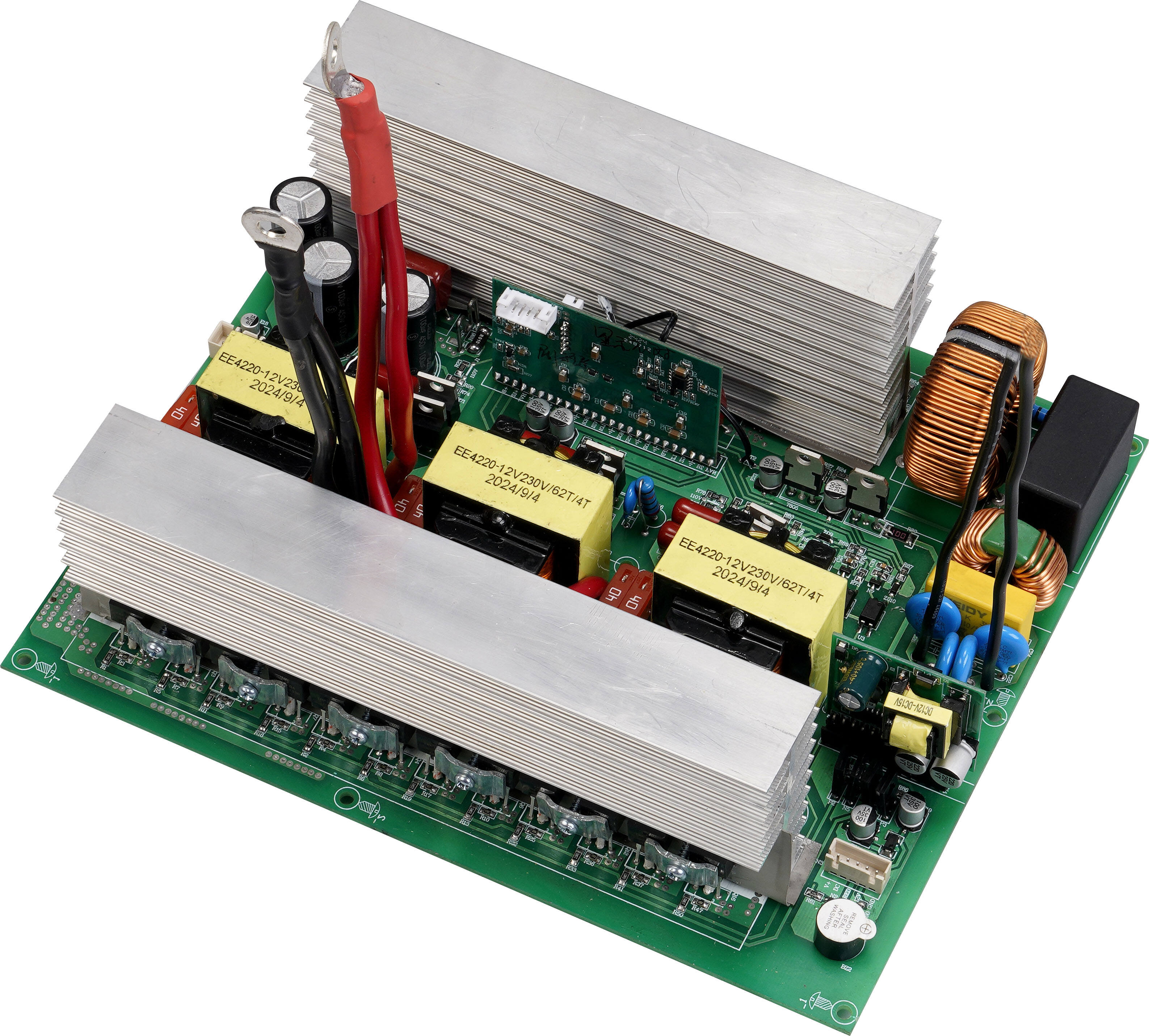
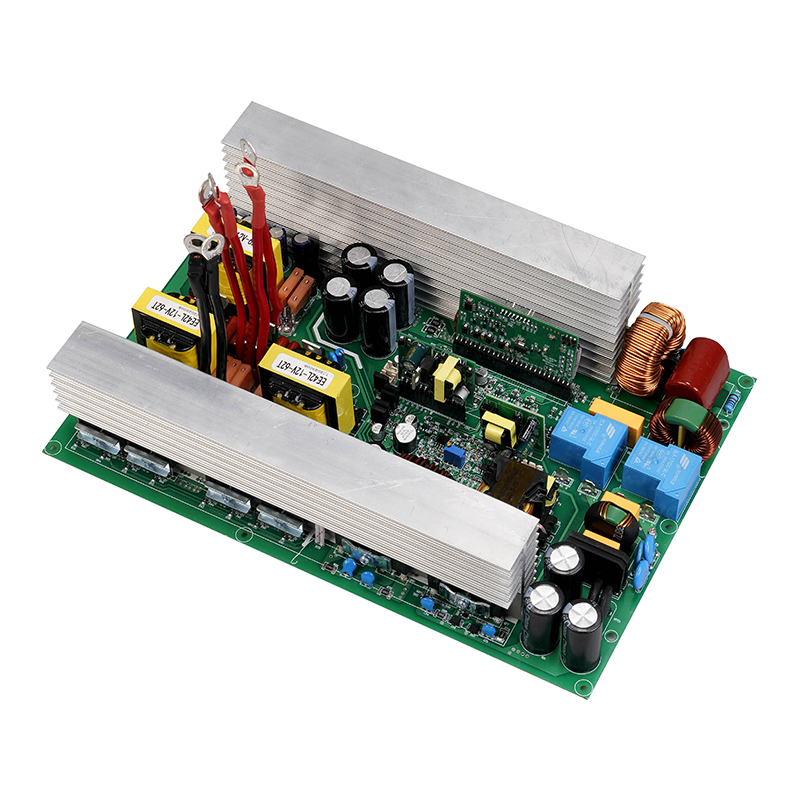
Effective thermal management is crucial for maintaining the high efficiency of pure sine wave inverters. By ensuring that these inverters operate within optimal temperature ranges, we can significantly enhance their performance and longevity. This is achieved through advanced cooling technologies that prevent overheating, which is a common cause of system failures. For instance, incorporating heat sinks and efficient ventilation systems helps in dissipating excess heat, ensuring stable operation even under heavy loads. Consequently, this thermal regulation not only boosts efficiency but also extends the lifespan of the solar power systems they support, making it an essential factor for anyone relying on solar energy.
Certifications from reputable standards organizations play a pivotal role in verifying the safety and reliability of pure sine wave inverters. Compliance with these standards guarantees that the inverters meet stringent operational safety criteria, which is vital for both consumer peace of mind and manufacturer accountability. For example, certifications from entities like ISO and UL demonstrate that the inverters have undergone rigorous testing to ensure they perform safely under various conditions. This adherence to regulations underscores the manufacturer's commitment to providing a reliable power supply, enhancing trust in the products while mitigating risks associated with electrical and thermal failures.

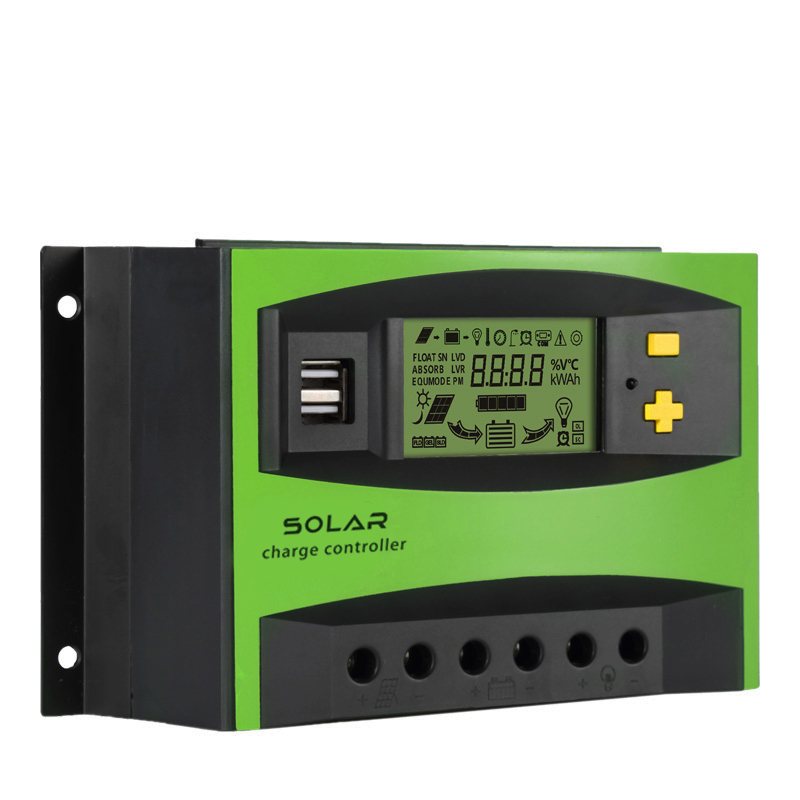
Explore our range of power inverters, solar hybrid inverters, solar charge controllers, and solar panels. Our lithium batteries and solar PV systems ensure optimal energy efficiency and reliability.
No8-88 of Xingye North Road,Youli Industrial Zone,Liushi Town,Yueqing of Wenzhou City, Zhejiang Province
Copyright © 2024 Zhejiang Sunrise New Energy Co., Ltd. Privacy Policy
 EN
EN
 Hot News