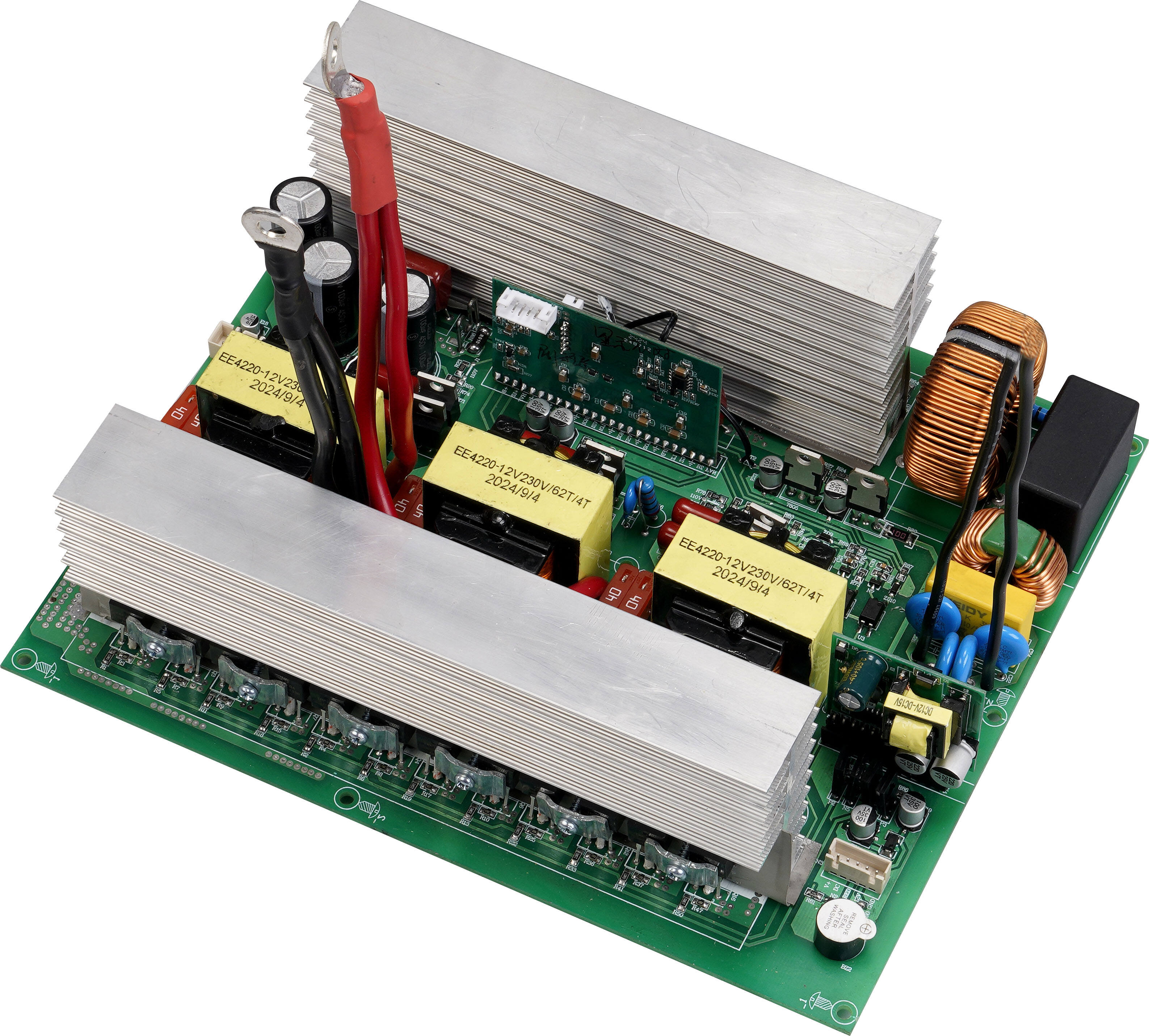
A car inverter is a vital device that converts DC (Direct Current) from a vehicle's battery into AC (Alternating Current) power. This conversion is essential because most of our household appliances and electronic devices, like laptops and mobile chargers, require AC power to function. Thanks to this conversion, we can utilize the DC stored in car batteries to power devices typically used at home, right from the comfort of our vehicles.
Understanding DC to AC conversion is crucial, especially in scenarios where emergency power is needed. Car inverters act as voltage converters, first transforming low DC power from your car battery into higher direct power before converting it into household AC power. This capability is not only convenient for travel or camping but also a lifesaver during power outages. When emergencies strike, ensuring a steady power supply for essential gadgets can be a game-changer, providing both comfort and security. Thus, car inverters bridge the gap between mobile and stationary energy needs, making them indispensable in today’s power-reliant lifestyles.
12V car inverters are specifically designed to work with standard automobile batteries, enabling the provision of backup power in emergencies. These inverters connect easily to a car's 12V system, converting DC power into AC to power various devices. During crises, having access to power for charging phones, operating medical equipment, or even connecting small appliances becomes crucial. These inverters serve as practical solutions, offering a lifeline by maintaining the operation of essential devices, thereby supporting communication and healthcare needs when traditional power sources are compromised.
The demand for portable power solutions like 12V car inverters often surges during natural disasters. Reports indicate a significant uptick in interest and sales of such devices in areas prone to hurricanes or severe weather conditions. When selecting a power inverter, it’s essential to consider the voltage needs, ensuring compatibility with the devices intended for use. By choosing the right inverter, one can ensure optimal performance during emergencies, providing peace of mind and meeting vital power requirements when it counts the most.
In a roadside emergency, having the ability to power medical devices can be a true lifesaver. A car inverter is capable of converting DC power from your vehicle's battery into AC power, making it crucial for individuals who rely on equipment like portable oxygen concentrators or CPAP machines. Without this conversion, it would be challenging to sustain power for these devices, especially in areas where assistance is delayed. Moreover, communication tools such as mobile phones and two-way radios are essential for ensuring safety and coordination during emergencies. With a car inverter, you can keep these devices charged and operational, facilitating communication with emergency services, family, or friends, thereby enhancing safety and peace of mind.
Maintaining food safety during roadside emergencies is another compelling reason to utilize a car inverter. When breakdowns are prolonged, you risk food spoilage, especially during warmer months. With a portable refrigerator powered by a car inverter, perishables can be kept at safe temperatures, extending their usability and reducing waste. Various types of portable refrigerators, from thermoelectric coolers to compressor-based models, can be selected based on your power requirements and inverter capacity. Having such equipment on hand not only ensures your food remains safe and fresh but also provides a relief knowing you're prepared for extended delays or breakdowns.
When an extended vehicle breakdown occurs, a car inverter can play a critical role in maintaining warmth and illumination. You can use a power inverter to run small heaters, providing temporary relief from the cold until help arrives. With LED bulbs or lanterns, your car can serve as a light source, making it visible in low-light conditions, which is important for both safety and emergency signaling. However, it is essential to use power inverters cautiously, especially when generating heat within a confined space, to avoid any potential hazards like carbon monoxide buildup. Experts recommend ensuring adequate ventilation and using energy-efficient devices to conserve battery life, a prudent approach to surviving roadside emergencies with comfort and security.
When selecting the right car inverter for emergency situations, understanding wattage requirements is crucial. This means calculating the total power needed to operate your devices. For instance, smartphone chargers usually require around 5 watts, whereas larger appliances like portable refrigerators can demand significantly more. To determine your wattage needs, compile a list of all devices you plan to power, sum their wattage, and allow a margin for additional unexpected usage. Here’s a general guide: basic electronics like laptops and desktop fans need around 50-100 watts, while more demanding devices, such as microwaves or space heaters, could require 1000 watts or more.
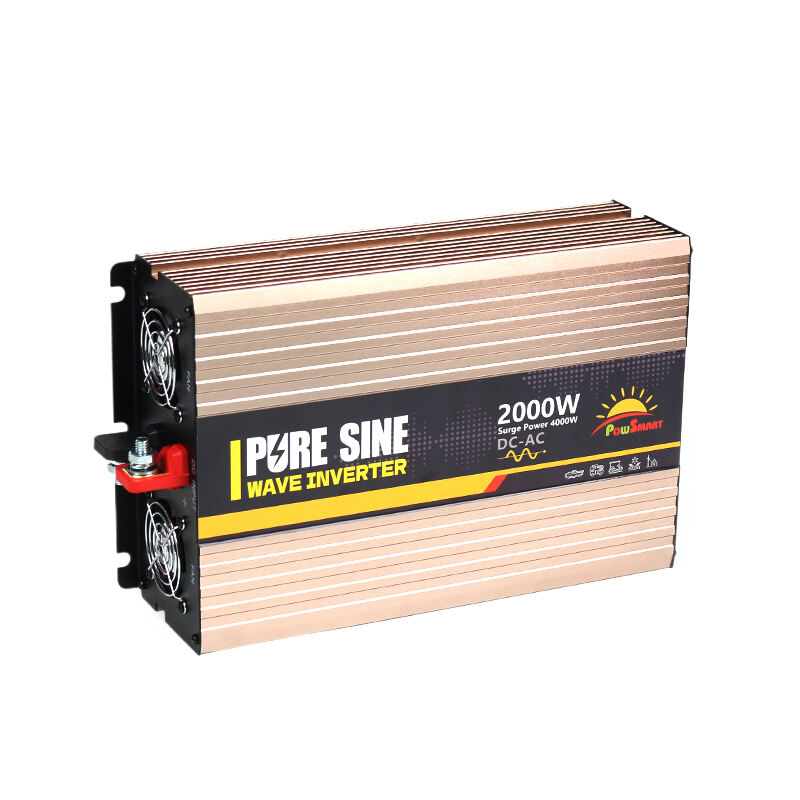
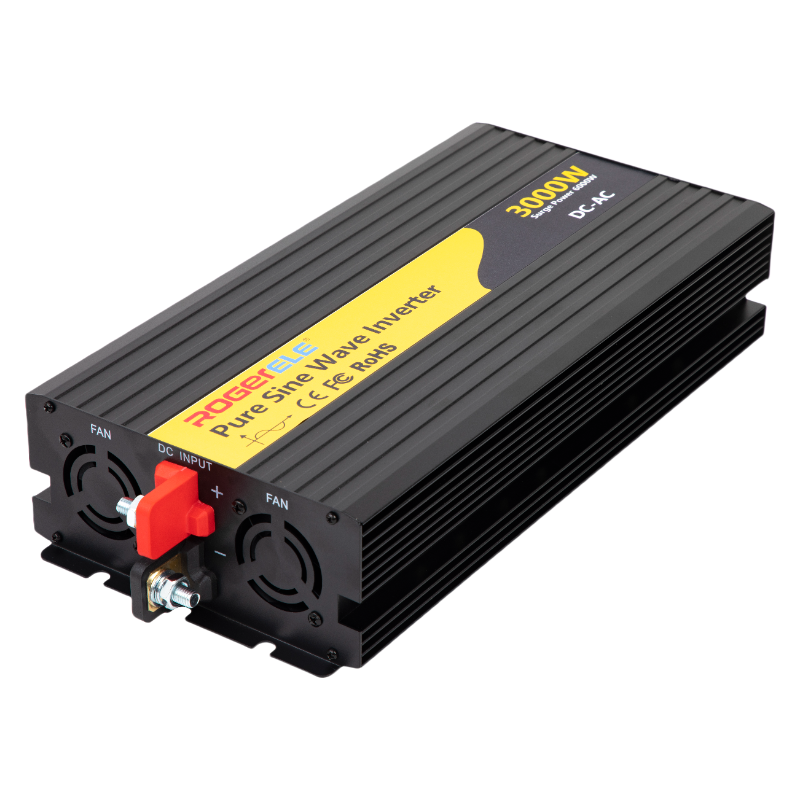
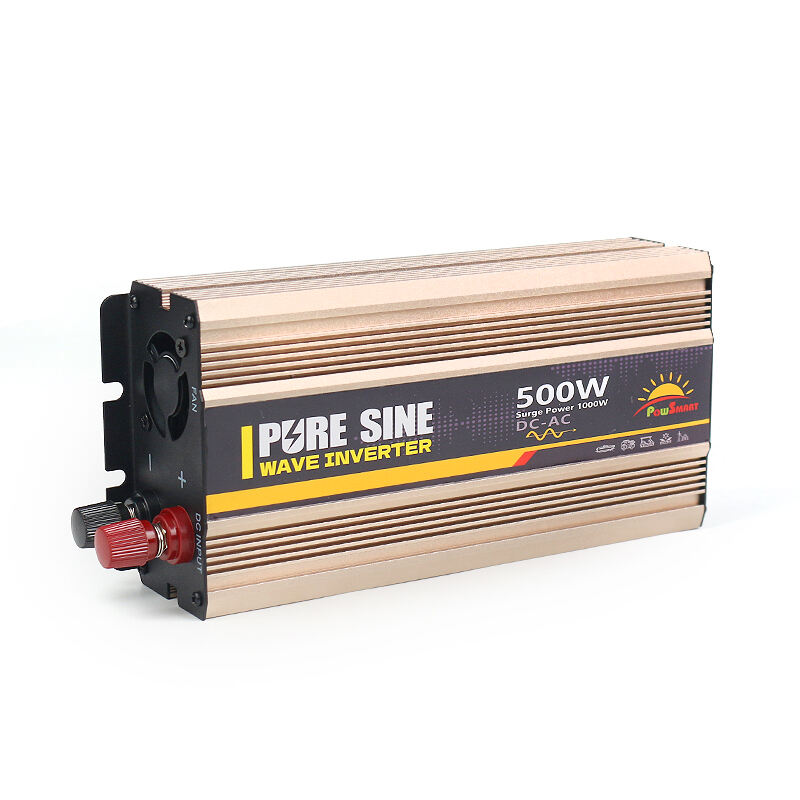
When considering an inverter for sensitive electronics, it’s important to understand the differences between pure sine wave and modified sine wave inverters. Pure sine wave inverters provide smoother and more consistent power, which is best for devices like laptops and medical equipment that require stable power input to function properly. These inverters often come at a higher cost but can prevent potential damage to your devices. In contrast, modified sine wave inverters are generally more affordable but may not be suitable for high-sensitivity electronics due to their less consistent power output. It’s advisable to use pure sine wave inverters for any critical device to ensure both safety and performance.
Choosing between compact designs and high-capacity models of car inverters involves balancing trade-offs between portability and power output. Compact inverters are ideal for easy storage and quick setup, making them perfect for short trips or minimal power needs, such as phone charging. However, for more extensive emergency preparation involving power-hungry devices, high-capacity models are recommended despite their larger size and possible need for permanent installation within the vehicle. Consider vehicle space and your specific emergency power needs when deciding, whether that might mean conserving space with a small unit or opting for a powerful model capable of supporting heavier loads.
Proper installation of your car inverter can significantly impact its efficiency and safety. Connecting inverters directly to the vehicle battery is preferred over using cigarette lighter ports. This is because direct battery connections provide a more stable power output and are better suited for high wattage demands. On the other hand, cigarette lighter ports are limited by their capacity and may only support low-energy devices. Ensuring a secure connection to the battery helps prevent power fluctuations that could damage connected devices, making it an essential step in maximizing the utility of your car inverter during emergencies.
Accurately calculating the safe runtime of a car inverter is crucial to avoid draining your battery, especially during emergencies. To determine how long your inverter can run, you must know the battery capacity (in amp-hours, Ah) and the total load (in watts) you intend to connect. Use the formula Run Time (hours) = Battery Capacity (Ah) x Battery Voltage (12V) / Total Load (Watts) to estimate available power time. It's also wise to power only essential devices and monitor usage closely, ensuring power conservation and extending your inverter's runtime without completely depleting your battery.
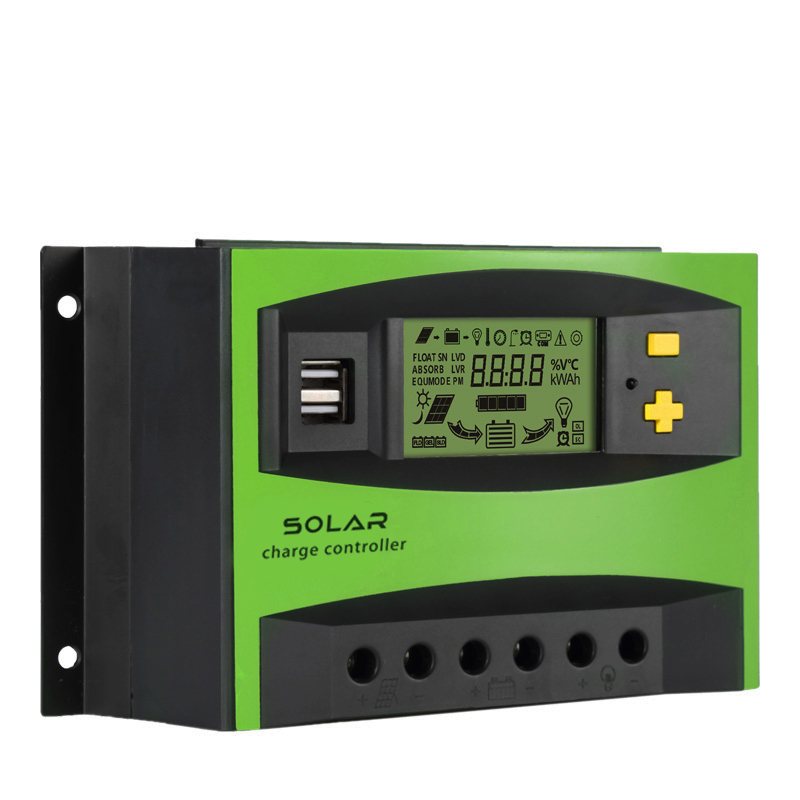
Combining car inverters with solar power systems offers an excellent method to extend off-grid power capabilities. Solar panels can charge the car battery, providing a renewable energy source, crucial in prolonged power outages. When pairing these systems, selecting a compatible solar inverter is essential to ensure seamless integration and efficient energy conversion from DC to AC power. This combination not only enhances emergency preparedness but also promotes sustainability by reducing reliance on non-renewable energy sources. The synergy between car inverters and solar panels can significantly boost your emergency power strategy.

Explore our range of power inverters, solar hybrid inverters, solar charge controllers, and solar panels. Our lithium batteries and solar PV systems ensure optimal energy efficiency and reliability.
No8-88 of Xingye North Road,Youli Industrial Zone,Liushi Town,Yueqing of Wenzhou City, Zhejiang Province
Copyright © 2024 Zhejiang Sunrise New Energy Co., Ltd. Privacy Policy
 EN
EN
 Hot News