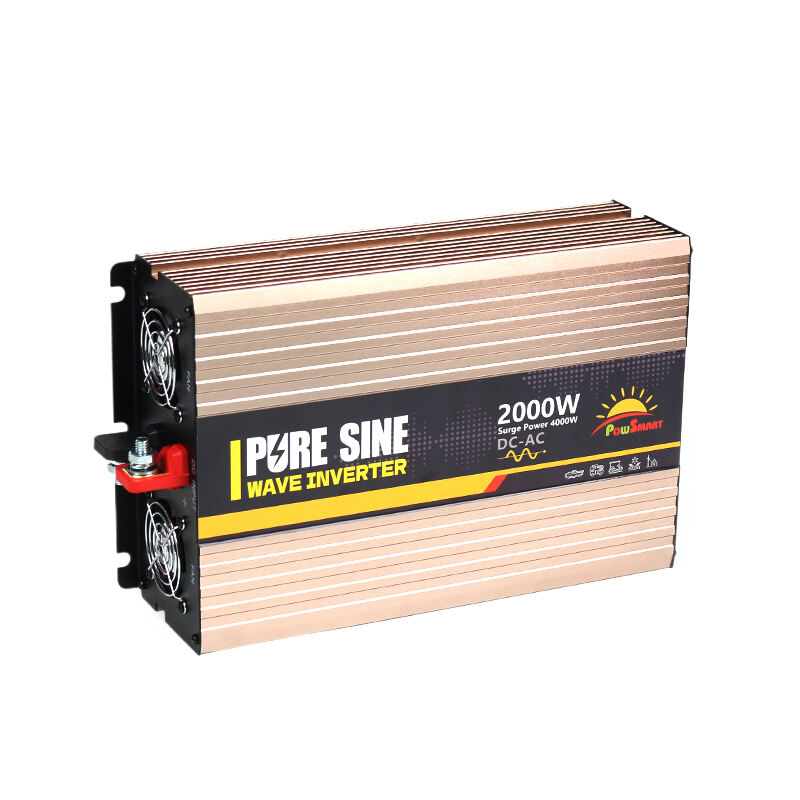
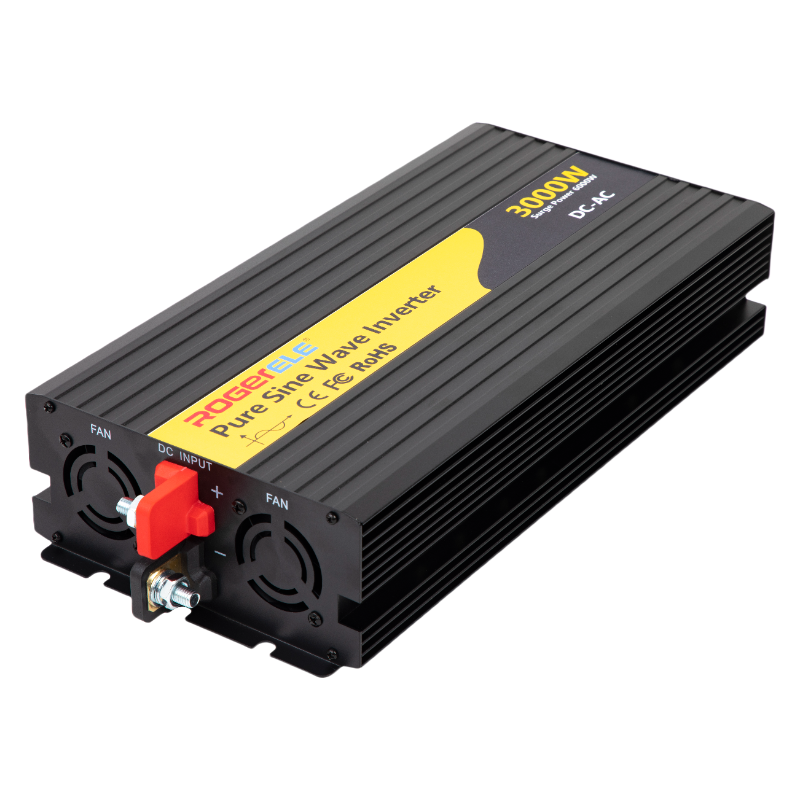
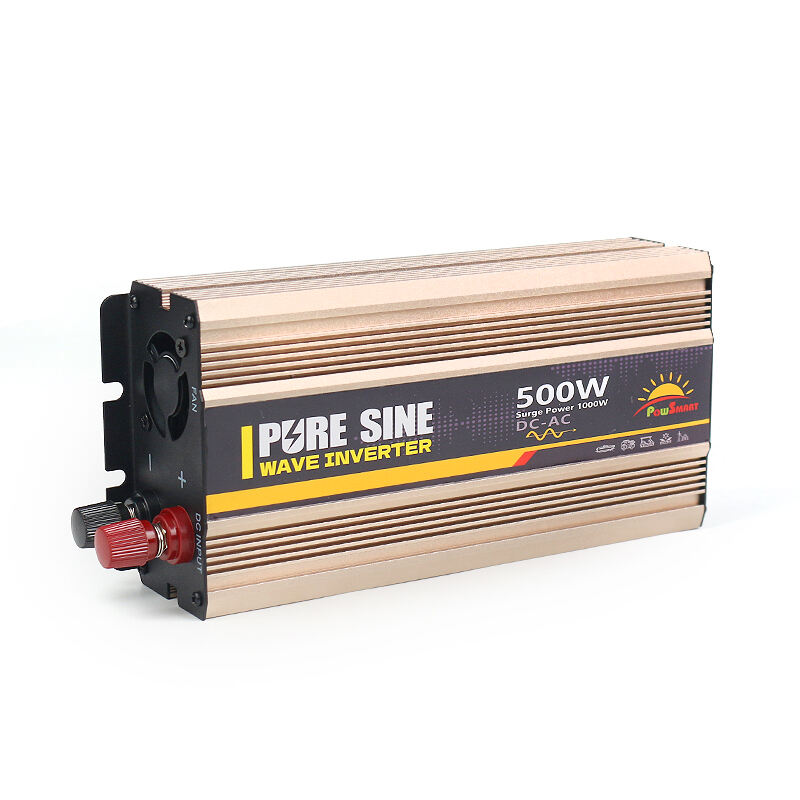
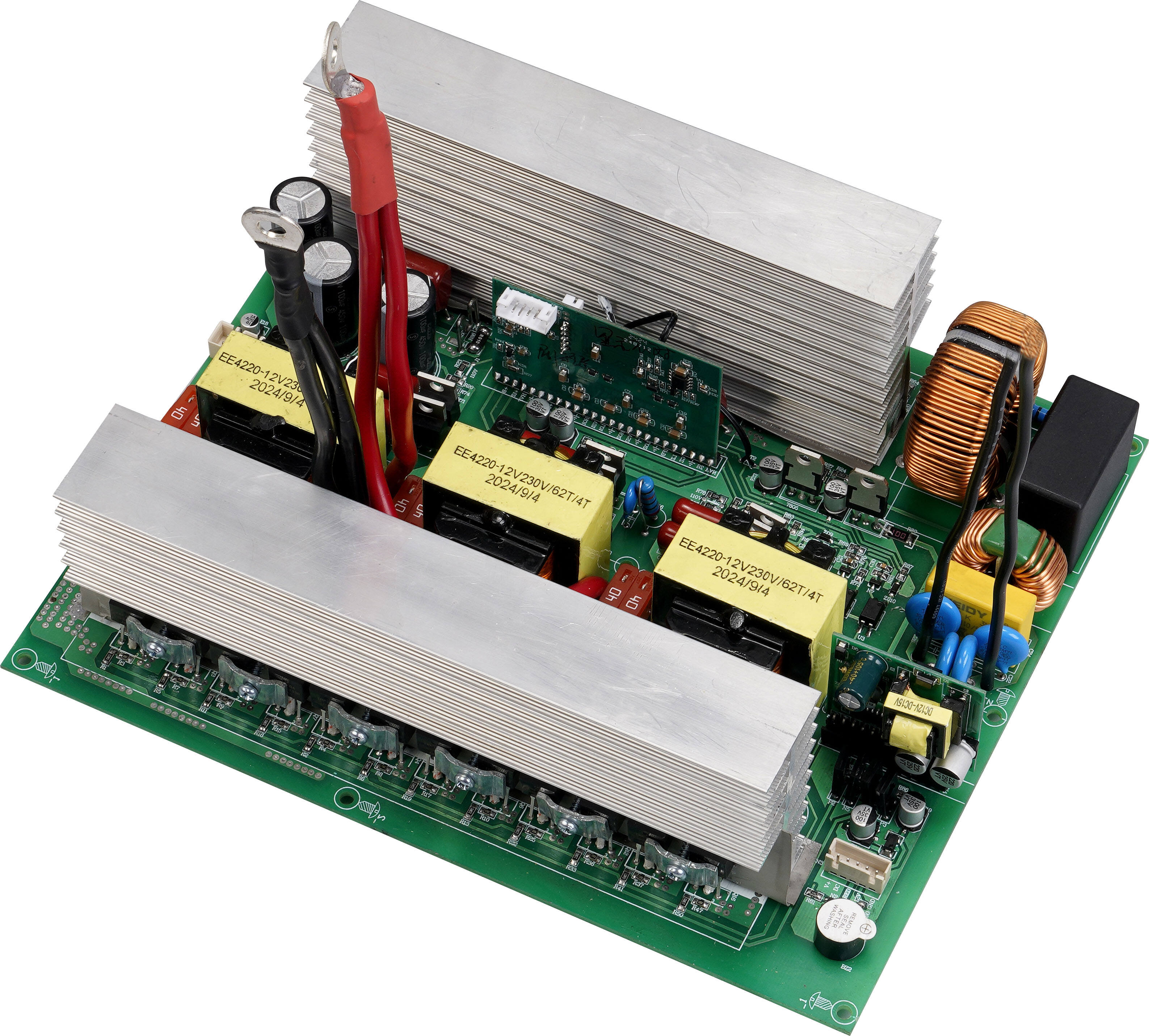
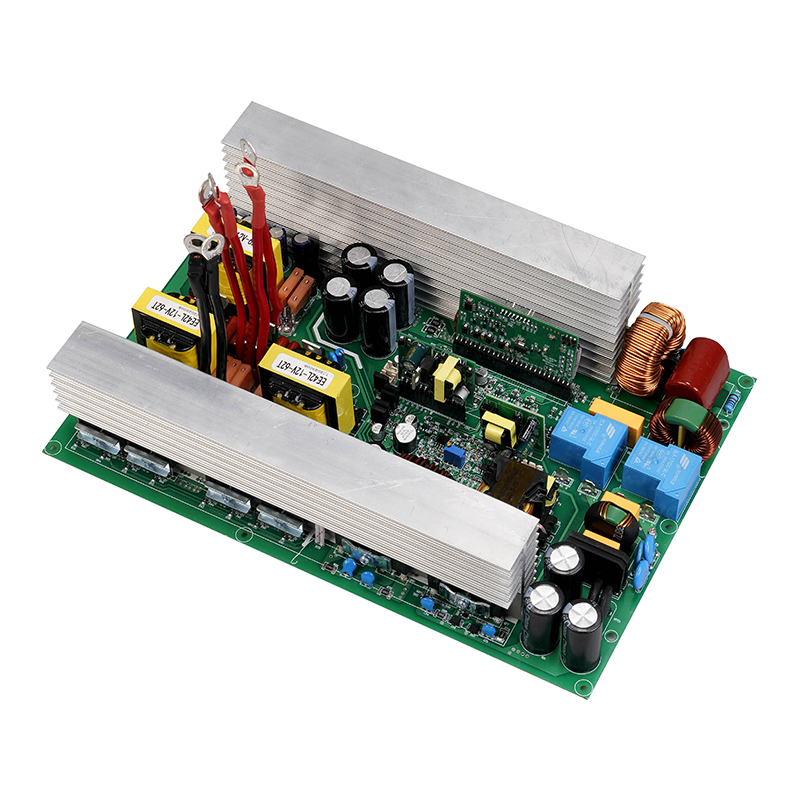
Pure sine wave inverters stand out due to their ability to produce a smoother and cleaner power output compared to modified sine wave inverters. This characteristic ensures their compatibility with sensitive electronics like computers and medical devices, which require stable and precise power to function efficiently. The waveform generated by pure sine wave inverters closely mirrors the utility grid, facilitating seamless integration with a wide range of devices. The technology behind these inverters typically includes advanced circuitry, which enhances both performance and reliability. Therefore, investing in a pure sine wave inverter technology not only enhances the operational efficiency of sensitive equipment but also provides peace of mind knowing that these devices are less likely to suffer from power-related malfunctions.
Energy efficiency is a critical consideration in power conversion systems. An energy-efficient inverter leads to reduced operational costs by minimizing energy waste during conversion processes. This efficiency not only conserves energy but also substantially reduces the heat generated in the system. By cutting down on excess heat, both the inverter and the connected appliances benefit from an extended lifespan. According to the U.S. Department of Energy, enhancing power conversion efficiency offers significant energy savings opportunities for both residential and commercial settings. With efficient energy use, businesses and homeowners can enjoy lower utility bills, while also contributing to sustainability by reducing their carbon footprint. Therefore, prioritizing energy efficiency in choosing inverters is financially beneficial and environmentally responsible.
Understanding harmonic distortion is essential when choosing a pure sine wave inverter, as it directly impacts the performance and durability of connected devices. Harmonic distortion measures the deviation of an inverter’s output from a true sine wave, which can lead to inefficiencies and malfunctions in sensitive electronics. Maintaining a low total harmonic distortion (THD) is crucial, as inverters with a THD rating of less than 3% are optimal for minimizing potential damage to devices such as audio and video equipment. This low distortion ensures reliable operation, reduces the likelihood of maintenance issues, and makes these inverters particularly suitable for environments where consistent power quality is required.
Determining the appropriate load capacity for a pure sine wave inverter is vital to ensure it can accommodate the demands of both household and industrial applications. It's important to consider both the continuous and peak load capacities, especially for appliances that require significant startup currents, like those with motors or compressors. By calculating the total wattage requirements of connected devices, one can prevent inverter overloads, thus enhancing overall inverter performance and extending the lifespan of appliances. This careful assessment ensures you select the right inverter model to efficiently meet your energy needs without interruptions.
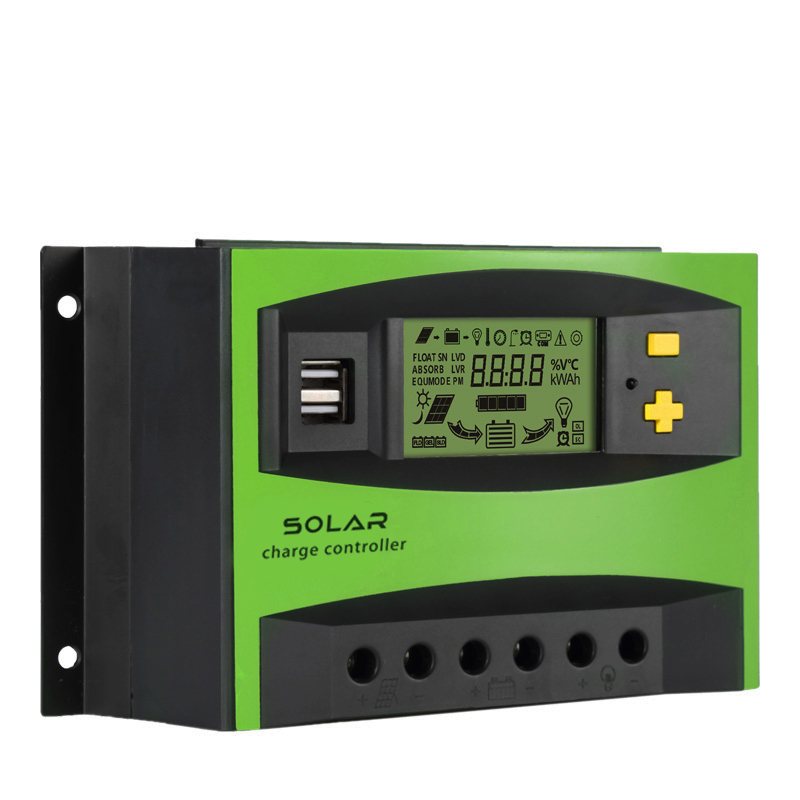
Ensuring a pure sine wave inverter's compatibility with solar panels is crucial for optimizing solar power generation and usage. Such compatibility allows for seamless integration into hybrid systems, enhancing energy independence and enabling efficient energy storage and management. When choosing an inverter, it's essential to evaluate its specifications, including input voltage ranges and features like Maximum Power Point Tracking (MPPT), to ensure they align with the specific needs of your solar installation. This consideration guarantees maximum energy efficiency and compatibility with diverse solar setups, offering reliable support for sustainable energy solutions.
Pure sine wave inverters are essential for powering sensitive electronics because they generate a cleaner, interference-free power output, closely mirroring the waveform produced by utility grids. This ensures that devices such as computers, TVs, and high-end audio systems function without signal distortion or overheating, which commonly occurs with modified sine wave inverters. These latter inverters produce a stepped waveform that can lead to inefficiencies and, in the worst cases, damage to devices. Studies affirm that sensitive equipment performs significantly better on pure sine wave power, illustrating the importance of reduced stress on internal components for enhancing longevity and operational reliability.
While pure sine wave inverters may come with a higher initial investment, they offer significant energy savings over time due to their superior efficiency. These inverters minimize electricity waste, resulting in reduced utility bills when compared to modified sine wave models. In applications where devices operate continuously, such as in homes and businesses, the energy savings enabled by these inverters allow them to recover their upfront costs within a few years. This cost-effectiveness, combined with the enhanced device performance they offer, makes pure sine wave inverters a prudent choice for long-term energy management and savings.
Calculating the power requirements for integrating a pure sine wave inverter with solar panels is crucial to ensure system efficiency and prevent overloads. The initial step involves determining the total daily wattage requirement of your appliances and identifying their peak usage times. This process can be simplified by mapping out a comprehensive list that includes all the electrical devices you intend to power and their respective wattages. For instance, an air conditioner may consume significantly more power at startup than during its regular runtime. It's essential to factor in these surges when deciding on the inverter's size. To achieve the best results, utilizing online calculators or consulting with solar power experts can provide more precision in determining these requirements, ensuring a seamless integration with your solar panels.
Ensuring that the battery voltage is compatible with your pure sine wave inverter is vital for maintaining efficient energy flow and system reliability. Since most pure sine wave inverters operate optimally within specific voltage ranges, it's essential to match these with your battery system to enhance performance. A mismatch in voltage can result in inefficiencies, overheating, or even catastrophic system failures. Misalignment often leads to increased stress on the inverter and battery system, reducing their lifespan and reliability. Proper specification matching is crucial; therefore, a thorough understanding of both your inverter and battery system is recommended to avoid potential operational issues and ensure consistently stable power output.
In residential settings, balancing the energy demand with the output of an inverter is crucial to prevent overloads and maintain a consistent power supply. This balance ensures that household appliances run smoothly without straining the inverter or causing energy shortfalls. One effective strategy to optimize this balance is by implementing energy monitoring solutions. These solutions help homeowners track and adjust their consumption patterns, thereby enhancing overall energy efficiency. Utilizing such systems can significantly reduce unnecessary energy expenditures and extend the lifespan of the inverter. Moreover, consulting with energy experts can provide tailored recommendations, helping households maximize their efficiency based on specific needs. With precise guidance, homeowners can make informed decisions on appliance usage and inverter settings.
For off-grid applications, maximizing the potential of pure sine wave solar inverters requires strategic energy generation and storage planning. By properly aligning solar power generation with storage capabilities, it's possible to harness maximum benefits from the system. Utilizing advanced energy management systems can tremendously enhance the functionality and efficiency of solar setups. These systems allow users to monitor and control their solar power usage dynamically, ensuring a balance between energy supply and demand. Regular maintenance and monitoring of off-grid systems are essential to ensure long-term sustainability and optimal performance. This not only keeps the system running efficiently but also anticipates potential issues before they escalate, ensuring uninterrupted energy availability.
Through these strategies, residential and off-grid setups can efficiently harness the full potential of solar inverters, optimizing energy use and ensuring a reliable power supply even in challenging conditions.
Explore our range of power inverters, solar hybrid inverters, solar charge controllers, and solar panels. Our lithium batteries and solar PV systems ensure optimal energy efficiency and reliability.
No8-88 of Xingye North Road,Youli Industrial Zone,Liushi Town,Yueqing of Wenzhou City, Zhejiang Province
Copyright © 2024 Zhejiang Sunrise New Energy Co., Ltd. Privacy Policy
 EN
EN
 Hot News