Hybrid inverters are a cutting-edge solution that integrates the roles of both solar inverters and battery inverters to provide comprehensive energy management. They convert the direct current (DC) generated by solar panels into alternating current (AC), which is then usable by various electrical devices. This conversion is crucial for optimizing the energy flow according to current demand. One of the standout features of hybrid inverters is their integrated battery storage, which allows for energy use even when sunlight is not sufficient, providing a continuous power supply. For instance, during cloudy days or at night, these inverters can still power your home or business with stored energy, ensuring uninterrupted operations.
Additionally, hybrid inverters come with features like real-time monitoring of energy production and consumption, significantly enhancing system efficiency. By allowing users to track power usage and adjust accordingly, they help in maximizing solar panel efficiency and optimizing battery storage. Thus, for anyone looking to implement efficient and reliable solar power systems, hybrid inverters represent a crucial component. They not only reduce dependency on the grid but also contribute to a sustainable energy future by making the most out of the solar power generated.
Unlike traditional solar systems that largely depend on grid electricity when there is insufficient sunlight, hybrid systems have the advantage of storing energy for later use. This storage capability enables users to tap into stored solar energy even during grid outages, providing unparalleled flexibility and security in energy sourcing. Traditional systems, on the other hand, often require separate components for integrating batteries, complicating the installation process. Hybrid systems simplify this by combining all necessary components into a single unit, easing both installation and maintenance.
Moreover, hybrid technology is more resilient against power outages, as it supports both grid-tied and off-grid operations. This dual capability makes them adaptable to various energy needs, from powering remote locations with no grid access to ensuring critical loads are supported during grid failures. This adaptability makes hybrid systems an excellent choice for diverse environments, ensuring continuous power supply irrespective of external conditions. Consequently, the move toward hybrid systems represents a significant evolution in solar technology, offering enhanced reliability and independence from traditional energy infrastructures.
Solar panels are the backbone of hybrid solar systems, serving as the primary energy collectors. They harness sunlight and convert it into electricity through photovoltaic cells, a process known as photovoltaic conversion. The efficiency of solar panels is influenced by several factors including the material—monocrystalline panels are typically recognized for higher efficiency due to their superior technology. To ensure optimal performance and longevity, it is crucial to maintain these panels regularly; keeping them clean can significantly enhance energy output and extend their lifespan.
Lithium batteries play a pivotal role in hybrid solar systems by storing excess solar energy for use during periods when solar generation is not possible, such as nighttime or cloudy days. These batteries boast a long lifespan and higher energy density compared to traditional lead-acid variants, making them a more cost-effective choice over time. Their integration into solar systems helps improve energy efficiency, substantially allowing users to reduce their reliance on grid electricity.
Choosing between grid-tied and off-grid configurations in hybrid solar systems depends on individual needs and circumstances. Grid-tied systems offer users the advantage of selling excess power back to the grid, potentially generating income and offsetting operating costs. Conversely, off-grid systems are tailored for remote locations where energy independence is crucial due to unreliable grid services. Each configuration offers unique benefits related to cost-efficiency and reliability, enabling users to select solutions based on their specific energy requirements.
Smart inverters, equipped with Maximum Power Point Tracking (MPPT), are revolutionizing how efficiently we capture solar energy. These advanced devices adapt to varying light conditions to maximize energy capture from solar panels, ensuring optimal performance even during less sunny intervals. With the integration of real-time data analytics, smart inverters inform users about performance metrics, allowing for fine-tuning and adjustments to enhance energy efficiency further. Moreover, these inverters seamlessly integrate with home energy management systems, giving users control over their energy consumption, optimizing both efficiency and savings.
The advent of IoT-enabled energy monitoring systems is a major technological leap in managing hybrid solar systems. These systems offer remote monitoring and management capabilities, which drastically improve maintenance practices by allowing users to track energy usage patterns. Through sophisticated data analytics, inefficiencies are easily identified, enabling users to maximize the effectiveness of energy consumption. Additionally, IoT systems provide timely alerts for maintenance needs, minimizing downtime and ensuring that the solar systems operate at peak performance levels. This empowerment through data enhances user experience and ensures robustness in solar power management.
Technological advancements have paved the way for the development of more resilient solar components capable of enduring extreme weather conditions. Manufacturers are now employing stronger materials and enhanced sealing techniques to shield these components from elements such as dust, water, and high temperatures. These durability improvements are crucial for maintaining operational efficiency and the longevity of solar systems, especially in challenging environments where traditional components may falter. As these enhancements become commonplace, clients can have greater confidence in the reliability and sustainability of their investments in solar technology.
Hybrid systems play a critical role in balancing energy loads, particularly during peak usage periods, which in turn enhances overall grid stability. Advanced technologies such as predictive analytics are pivotal in managing the supply and demand dynamically, allowing the grid to anticipate and adjust to consumption patterns. This integration not only reduces strain during times of high demand but also fosters a resilient energy infrastructure. Such systems effectively utilize the energy generated by solar panels, while coordinating with the grid demands to optimize energy load balancing. They integrate solar power seamlessly with grid requirements, ensuring that energy is distributed efficiently, contributing to the overall stability of local grids.
The application of hybrid systems in both commercial and residential settings showcases their versatility and efficiency. In commercial scenarios, hybrid systems are leveraged for larger installations that lead to significant cost savings and high energy outputs, helping businesses to reduce operational costs while boosting sustainability. On the other hand, residential installations prioritize space efficiency and ease of integration, allowing homeowners to benefit from the advantages of solar energy with minimal disruption to everyday life. Understanding the specific requirements and constraints of each application is crucial in tailoring these hybrid solutions to maximize energy savings and returns on investment, ensuring that both commercial and residential users benefit from renewable energy in the most efficient manner possible.
Hybrid solar systems are pivotal in reducing our reliance on fossil fuels by providing a clean, renewable energy source that significantly lowers carbon footprints. By integrating solar panels with energy storage solutions like lithium batteries, these systems allow for the capturing and efficient use of solar power. Statistics reveal that implementing renewable technologies can lead to a reduction in greenhouse gas emissions by up to 70%, underscoring the importance of such systems in our environmental efforts. Transitioning to hybrid solutions is not only a step towards a sustainable energy economy but also contributes substantially to global climate goals, helping nations decrease their dependence on traditional energy sources.
The Asia-Pacific region has become a hotbed of growth for hybrid system adoption, fueled by governmental incentives and burgeoning energy demands. Countries like Australia and India serve as prime examples, demonstrating how hybrid solar technology successfully meets increasing energy needs in a sustainable manner. For instance, India's Ministry of New and Renewable Energy (MNRE) offers subsidies for rooftop solar installations, encouraging broader adoption and helping consumers access cost-effective renewable energy solutions. Market projections indicate continued growth, emphasizing the strategic role hybrid systems play in achieving national energy independence across the region. This progress is supported by a host of policies aimed at promoting clean energy solutions and reducing reliance on fossil fuels.
Policy incentives such as tax credits and rebates are crucial in promoting the adoption of hybrid solar systems. Studies show that countries with supportive government policies experience faster growth rates in renewable energy deployment. These incentives, by reducing initial costs and increasing attractiveness, play a key role in accelerating the transition to sustainable energy solutions. Furthermore, engaging local communities and stakeholders through outreach programs can further boost adoption rates. Examples like India's rooftop solar subsidies illustrate the effectiveness of such measures, demonstrating how policy frameworks can drive substantial energy market transformations.

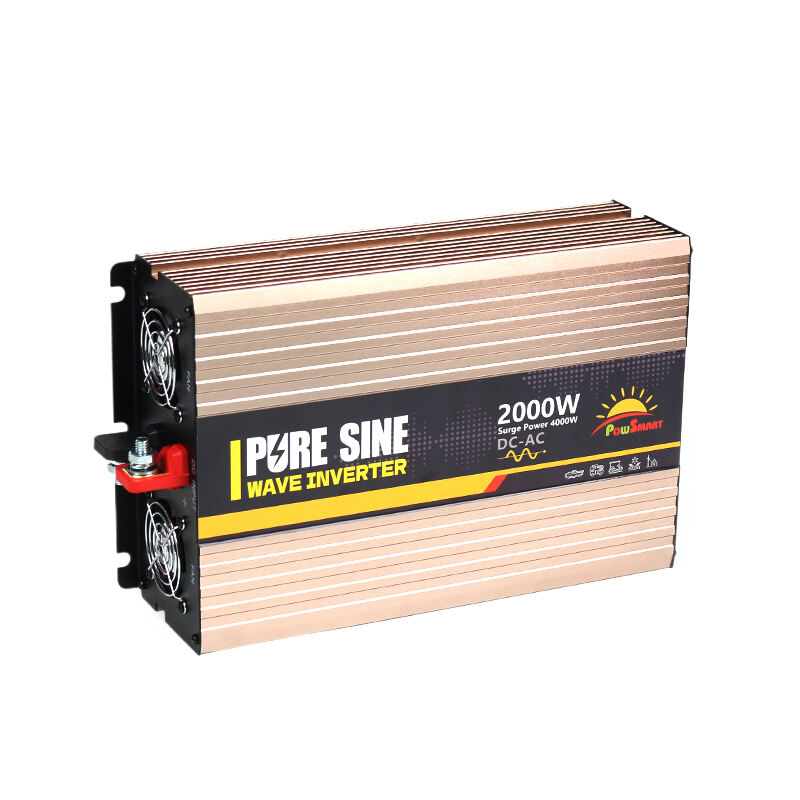
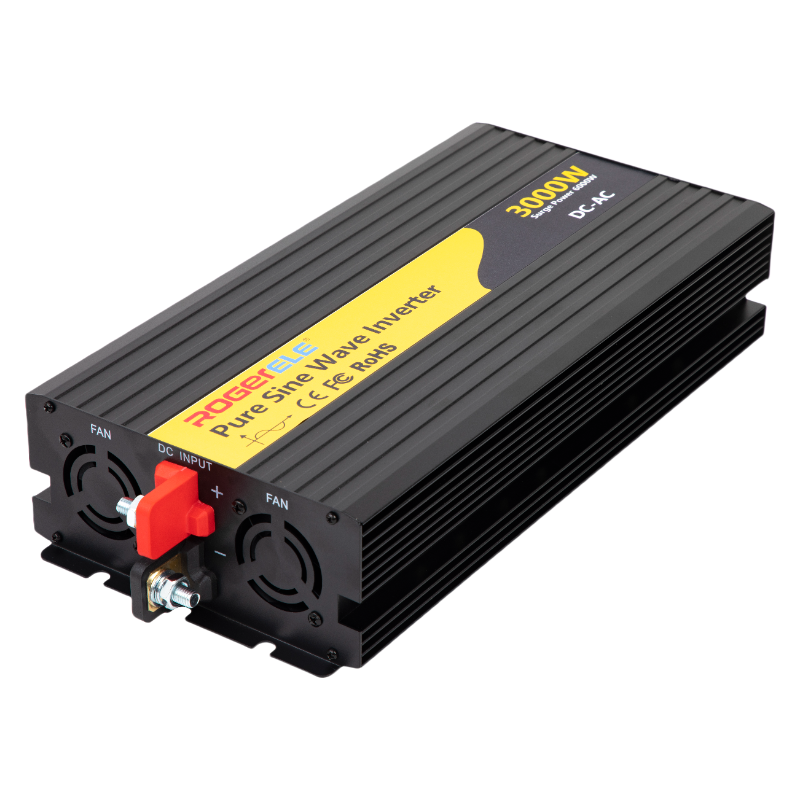
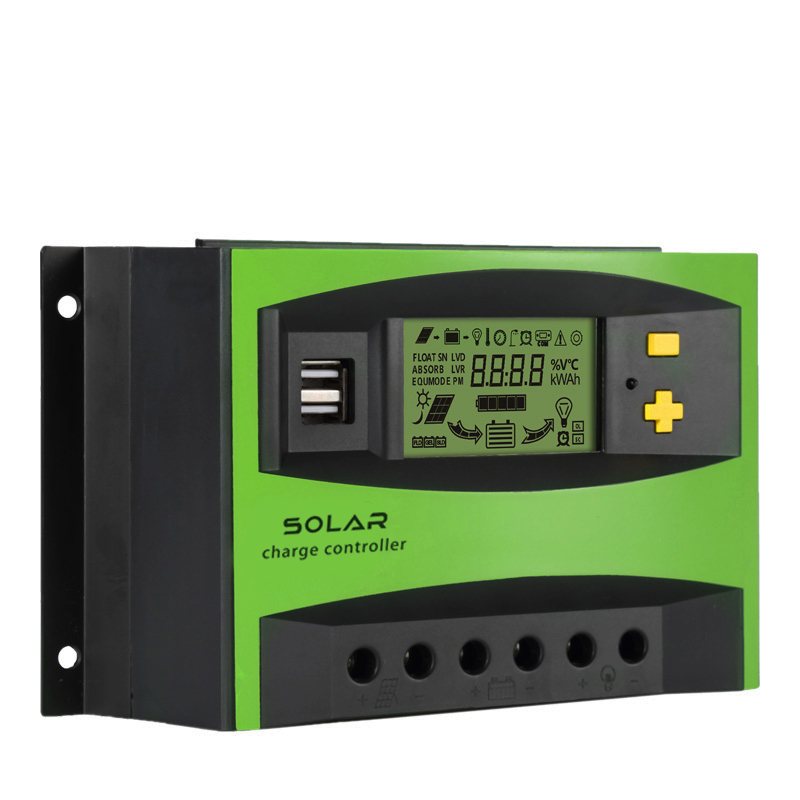
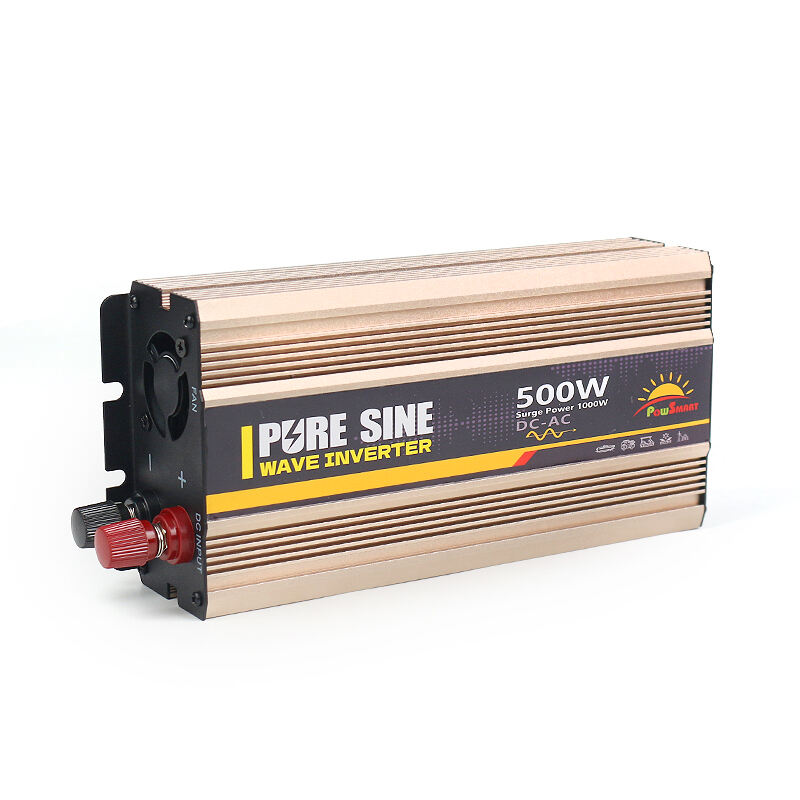
Explore our range of power inverters, solar hybrid inverters, solar charge controllers, and solar panels. Our lithium batteries and solar PV systems ensure optimal energy efficiency and reliability.
No8-88 of Xingye North Road,Youli Industrial Zone,Liushi Town,Yueqing of Wenzhou City, Zhejiang Province
Copyright © 2024 Zhejiang Sunrise New Energy Co., Ltd. Privacy Policy
 EN
EN
 Hot News