A car power inverter is an essential device that transforms the DC (Direct Current) power from a car's battery into AC (Alternating Current), making it possible to power various electronic devices while on the move. This conversion is crucial for running appliances like laptops, small TVs, microwaves, or mini-fridges that typically operate on AC power. The convenience of having a power inverter in a car, RV, or camping setup cannot be overstated, as it enables you to replicate the use of household outlets while traveling. There are two main types of car power inverters: portable and permanent. Portable inverters are compact and can be easily transferred between vehicles, ideal for temporary use. Permanent inverters are typically hardwired into the vehicle's electrical system, offering a more robust solution for users who frequently rely on consistent AC power on the road.
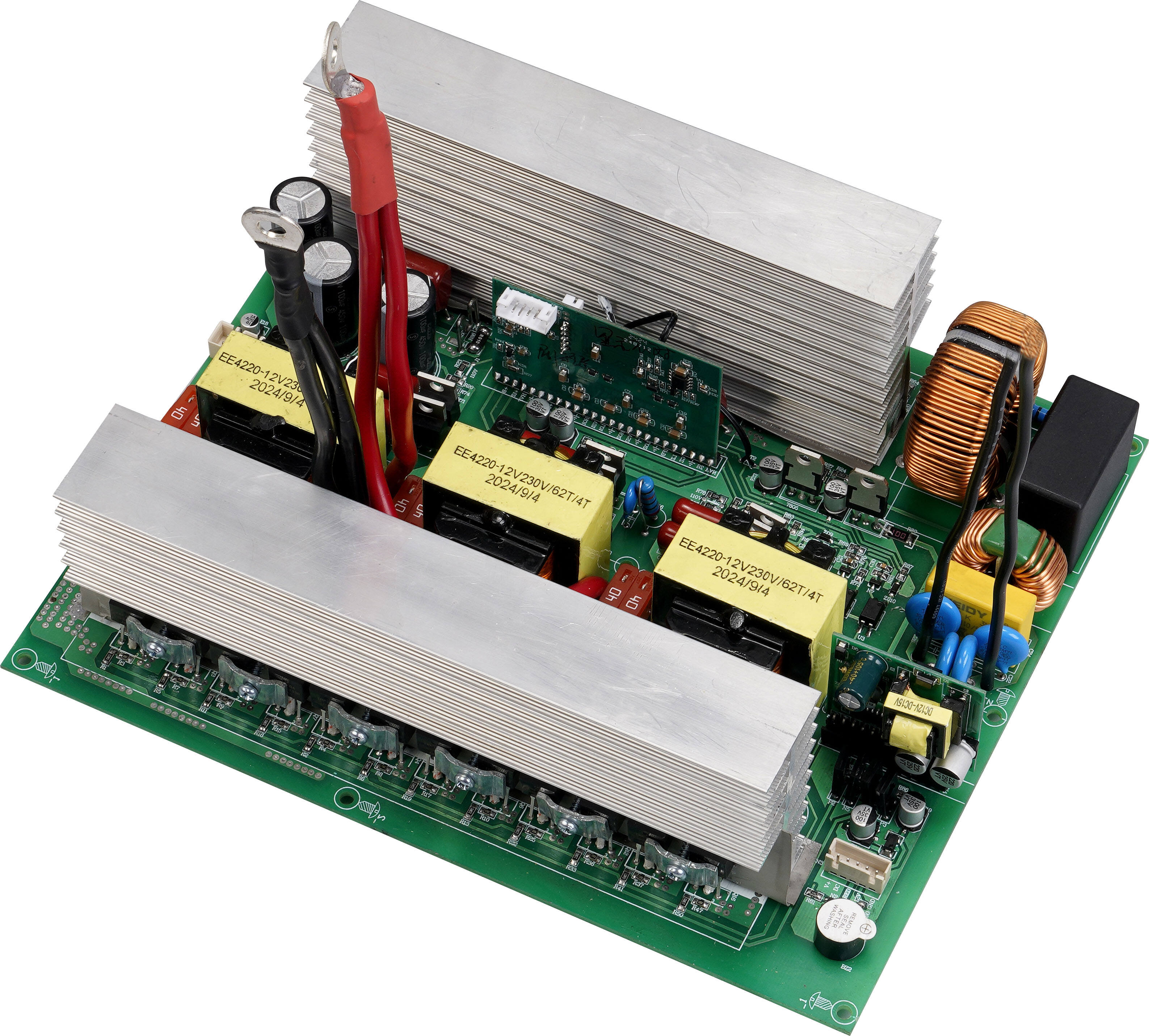
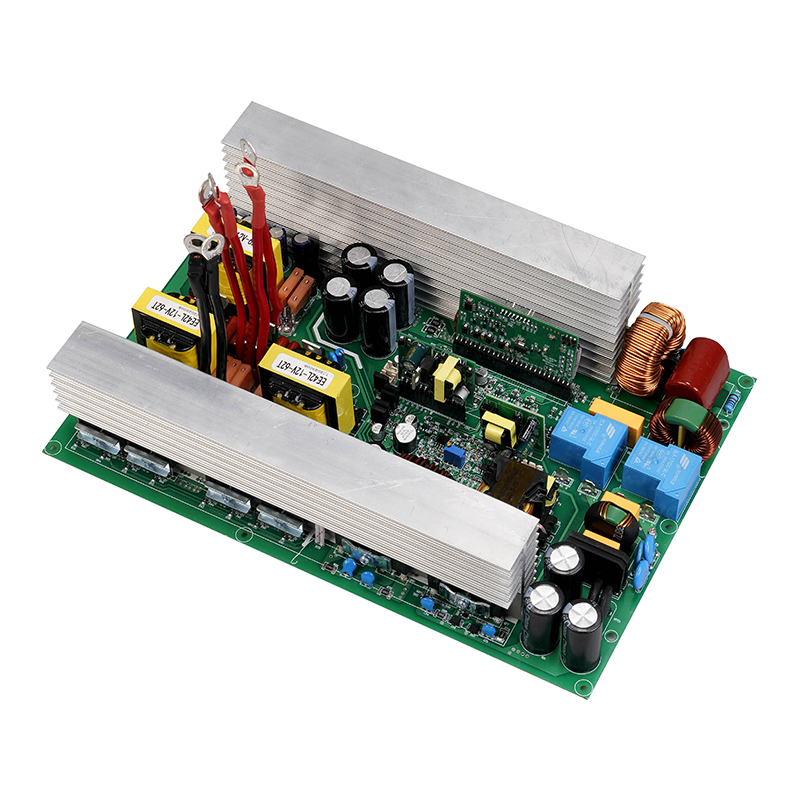
Converting DC to AC involves some intricacies, centering around voltage transformation and waveform generation. Technically, a car power inverter increases the voltage from the low-level DC of a car battery to a higher AC voltage similar to that of household power outlets. This process involves circuitry that generates a sine wave or, in some cases, a modified sine wave that mimics AC power. The efficiency and quality of this power conversion depend heavily on the inverter's circuitry, influencing the devices' performance and the inverter’s overall energy efficiency. There are real-world benefits to having AC power available in vehicles, as household appliances and electronic devices operate optimally with it. For road trips, camping, or off-grid scenarios, inverters are indispensable, allowing us to use essential gadgets and appliances without interruption.
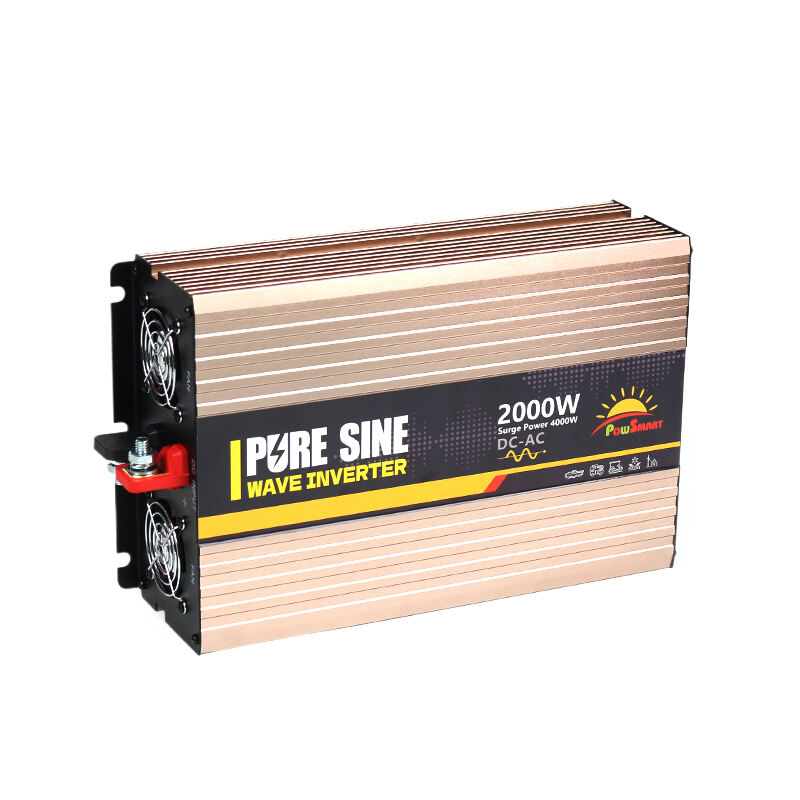
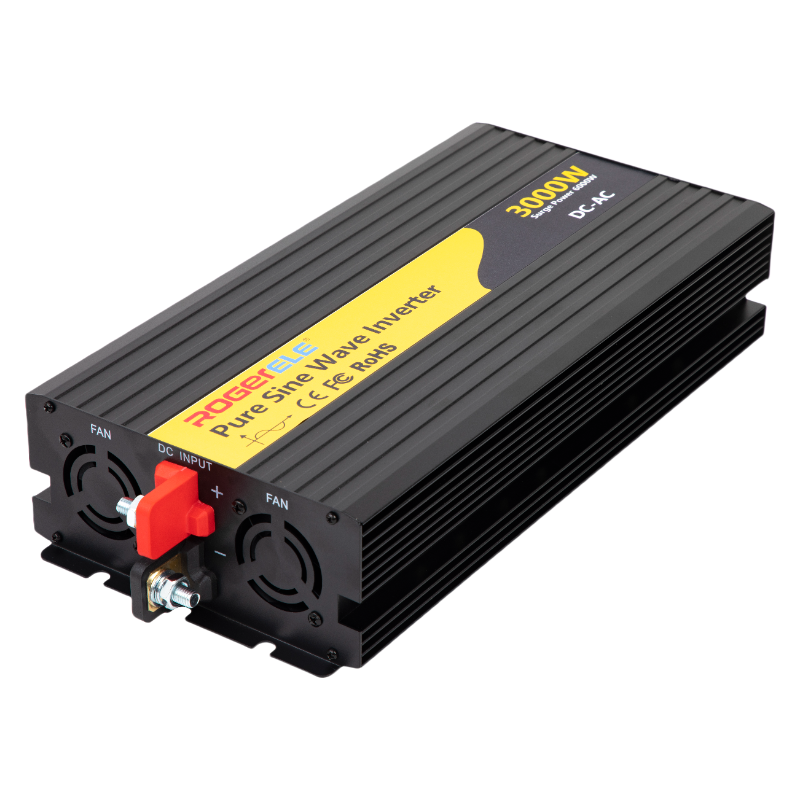
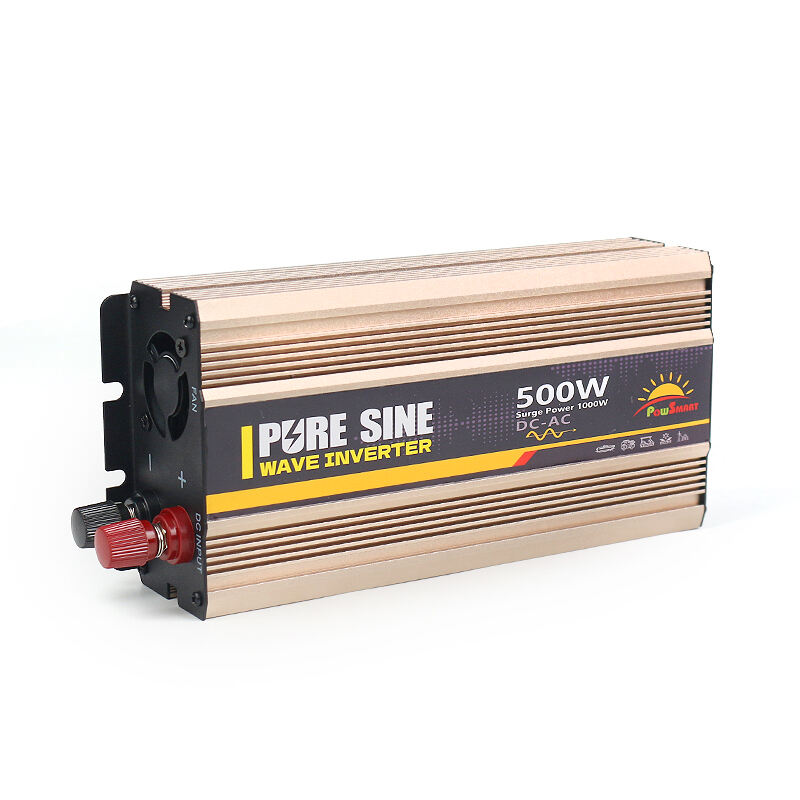
When choosing between modified sine wave and pure sine wave inverters, it's essential to weigh efficiency, performance, and cost. Modified sine wave inverters create a simplified step approximation of a sine wave and are generally less expensive, making them suitable for powering less sensitive devices like lights or simple engines. However, for sensitive electronics, such as laptops or medical devices, pure sine wave inverters are preferable as they provide consistent and smooth power, similar to household electricity. Pure sine wave inverters are more costly, but their higher quality makes them indispensable for running sensitive equipment without risking malfunction. Depending on the usage scenario, users can select a modified sine wave inverter for general purposes and a pure sine wave inverter for environments requiring high-quality power, ensuring safety and compliance with equipment needs.
Car inverters are incredibly versatile, transforming DC power from your vehicle into AC power, perfect for charging laptops, smartphones, and a plethora of other small electronics. This capability proves indispensable for travel and outdoor pursuits, ensuring you stay connected and powered up wherever your adventures take you. However, selecting the right inverter requires careful consideration of the power requirements of your electronic devices to ensure compatibility with the inverter's output. The real benefit of using a power inverter in a car lies in its convenience and versatility, offering a seamless way to charge and use essential electronics on the go. With careful power management, a power inverter car can be your ultimate travel companion.
Travelers and campers find car inverters indispensable for powering portable appliances like coolers, coffee makers, and kettles. These devices ensure comfort and convenience while on the road or camping, providing amenities akin to home. However, it’s crucial to understand the power consumption of each device to estimate energy needs effectively. A cooler might draw significantly more power than a simple kettle, and misjudging this can lead to insufficient power supply. Moreover, safety is paramount when using high-wattage appliances—ensuring the inverter can handle the load is imperative. By understanding these factors, you can effectively use a car inverter to power your essential portable appliances without hassle.
Car inverters can also power essential tools and equipment needed for construction projects or home improvements even when mobile. From drills to saws, having a reliable power source means jobs can continue uninterrupted, even in remote locations. Moreover, in emergencies, car inverters prove invaluable by powering lights, chargers, and other emergency equipment. This capability offers peace of mind, whether you're dealing with a power outage or are in the wilderness in your RV. For outdoor enthusiasts, the inverter becomes a lifesaver, allowing for power tool operation and ensuring safety and functionality during unforeseen situations. Combining practicality with preparedness, an inverter for RV or automotive use is a wise investment for anyone needing power flexibility.
Understanding how long your devices can run on a specific inverter involves calculating the runtime by considering both the inverter's wattage and the car battery's capacity. This process is critical to ensure efficient power usage, especially when dealing with 200W versus 1000W systems. For instance, a 200W inverter might power a 50W laptop for approximately four hours on a 60Ah battery, assuming a 50% discharge limit. In contrast, a 1000W inverter could support more power-hungry devices but for a shorter duration. The discharge rate significantly impacts battery life and efficiency; higher wattage systems deplete battery reserves faster, highlighting the importance of matching inverter capabilities with power needs to optimize performance and longevity.
The capacity of your car battery and the alternator's output are crucial elements that influence inverter performance. A higher-capacity battery can sustain devices longer without recharging, while a robust alternator ensures battery replenishment during driving. When choosing a power inverter, knowing your vehicle's battery specifications helps match it to your desired usage. For example, vehicles with high alternator outputs can better support large inverters and power-demanding devices on long trips, such as camping or extended travel. Real-world applications often show that the feasibility of using multiple or high-power devices hinges on these battery and alternator capabilities, ensuring you avoid unnecessary power issues.
Running high-wattage appliances on a 12V battery involves a careful analysis of the battery's ability to support such demand. Devices like microwaves or power saws can strain a standard car battery, leading to reduced performance. Generally, high-wattage devices require a greater energy draw, which a standard 12V battery might struggle with unless it's high-capacity. Recommendations suggest using deep-cycle or larger capacity batteries for extensive use with inverters, frequently needed for RVs or off-grid setups. Choosing the right battery type and size ensures that your power needs are effectively met, supporting high-draw equipment without compromising on performance or safety.
To ensure safe and efficient use of a car inverter, it is crucial to avoid battery drain and overheating. One effective measure is to run only necessary devices and turn off others when not needed, preventing excessive draw on the car's battery. Additionally, overheating is a common issue with power inverters that can be mitigated by maintaining proper airflow. Installing a fan or positioning the inverter in a well-ventilated area can help. Frequently monitoring voltage levels and the inverter's temperature can further avert potential failure. According to Family Handyman, some inverters feature an automatic shut-off when low power levels are detected, offering an additional layer of safety.
Proper ventilation and installation are key to ensuring the safe operation of an inverter. Start by locating a suitable space in the vehicle that allows for proper air circulation around the inverter. This placement helps prevent overheating. When installing, ensure all connections are secure and follow the manufacturer's guidelines to avoid complications. Safety organizations such as the Consumer Product Safety Commission (CPSC) recommend placing inverters away from flammable materials to reduce the risk of fire incidents. These practices not only prolong the life of your inverter but also ensure optimal performance.
Deciding between engine-on and engine-off power when using a car inverter depends on several factors. For instance, using the inverter with the engine off poses a risk of draining the car battery, especially if the device requires high power. On the other hand, running devices while the engine is on helps to continuously recharge the battery, reducing the risk of depletion. When making this decision, consider the power requirement of the devices and the duration of use. It's often safer to use engine-on power for devices with higher wattage, ensuring both efficiency and the longevity of your car's battery system.
Choosing between modified and pure sine wave inverters largely depends on the nature of the devices you plan to power. Modified sine wave inverters are generally more affordable and suitable for simpler devices such as TVs and chargers. Their efficiency is adequate for most everyday applications, offering a budget-friendly option. However, pure sine wave inverters deliver power that's consistent and of high quality, essential for sensitive equipment like medical devices or professional audio gear. While they are costlier, their ability to minimize the risk of overheating and interference makes them invaluable for high-end electronics or tools. Experts typically recommend pure sine wave inverters for professional settings where precision and reliability are critical.
When selecting a power inverter, certain key features are non-negotiable. USB ports, for instance, enhance connectivity, allowing for easy plug-and-play with modern devices. A compact design is beneficial not just for portability, but also for maximizing available space in settings like RVs or cars. Notably, safety certifications such as CE, UL, or FCC approval provide assurance of a product's compliance with stringent quality and safety standards. These certifications can instill confidence in the performance and reliability of the inverter, ensuring that it can safely handle the demands of various electrical devices while minimizing risks.
Properly matching the inverter capacity to your devices is crucial to avoid overloading and ensure safe operation. To achieve this, it's essential to total the wattage of all devices you plan to connect simultaneously. For example, if your DVD player requires 100 watts and your laptop uses another 100 watts, you should opt for an inverter with at least 300 watts to accommodate surges. Moreover, motor-driven devices need additional consideration for their startup wattage, which could be double or triple their regular consumption. Always allow for future scale by choosing an inverter with a slightly higher capacity than current needs to ensure flexibility and longevity in your power solutions.

Explore our range of power inverters, solar hybrid inverters, solar charge controllers, and solar panels. Our lithium batteries and solar PV systems ensure optimal energy efficiency and reliability.
No8-88 of Xingye North Road,Youli Industrial Zone,Liushi Town,Yueqing of Wenzhou City, Zhejiang Province
Copyright © 2024 Zhejiang Sunrise New Energy Co., Ltd. Privacy Policy
 EN
EN
 Hot News