Direct Current (DC) is a type of electrical current that flows steadily in one direction. It's commonly used in devices such as batteries and small electronics that require a constant voltage. DC electricity is incredibly practical for low-voltage applications, making it essential in powering devices that do not require a substantial power input. In the realm of renewable energy, DC plays a pivotal role, particularly in solar panels. Solar panels produce DC electricity, which is then either stored in batteries or converted to AC for broader applications. This makes DC an integral component in harnessing solar power efficiently.
Alternating Current (AC) differs from DC in that it periodically reverses direction, a characteristic that makes it optimal for power transmission over long distances. AC electricity is pivotal in powering homes and businesses because it reduces energy loss during transmission, thanks to its compatibility with transformers. Transformers can easily adjust AC to higher or lower voltages, ensuring efficient distribution to various appliances. This capability allows AC systems to power not only everyday household devices but also industrial machinery, cementing AC as an essential component of modern electrical grids.
In renewable energy systems, converting AC to DC and vice-versa is crucial because devices like solar panels produce DC electricity. However, most of our appliances operate on AC, necessitating the conversion. Inverters play a significant role in this process by changing, for example, the DC from solar panels into usable AC for household appliances. According to statistics, renewable energy sources account for a significant portion of global energy use, emphasizing the importance of efficient power conversion systems. Thus, inverters prove essential in bridging the gap between energy production from sources like solar panels and everyday application needs, such as in homes and businesses.
A power inverter is an essential device that converts direct current (DC) into alternating current (AC), making battery power usable for a wide range of household and industrial appliances. This conversion is crucial in systems like solar power setups, where energy generated from solar panels needs to be transformed into AC to power devices like computers or refrigerators. Power inverters facilitate the operation of numerous devices by bridging the gap between two types of electrical currents. They serve an indispensable role in enabling solar panels to provide usable energy for homes and businesses, ensuring flexibility and sustainability in energy use.
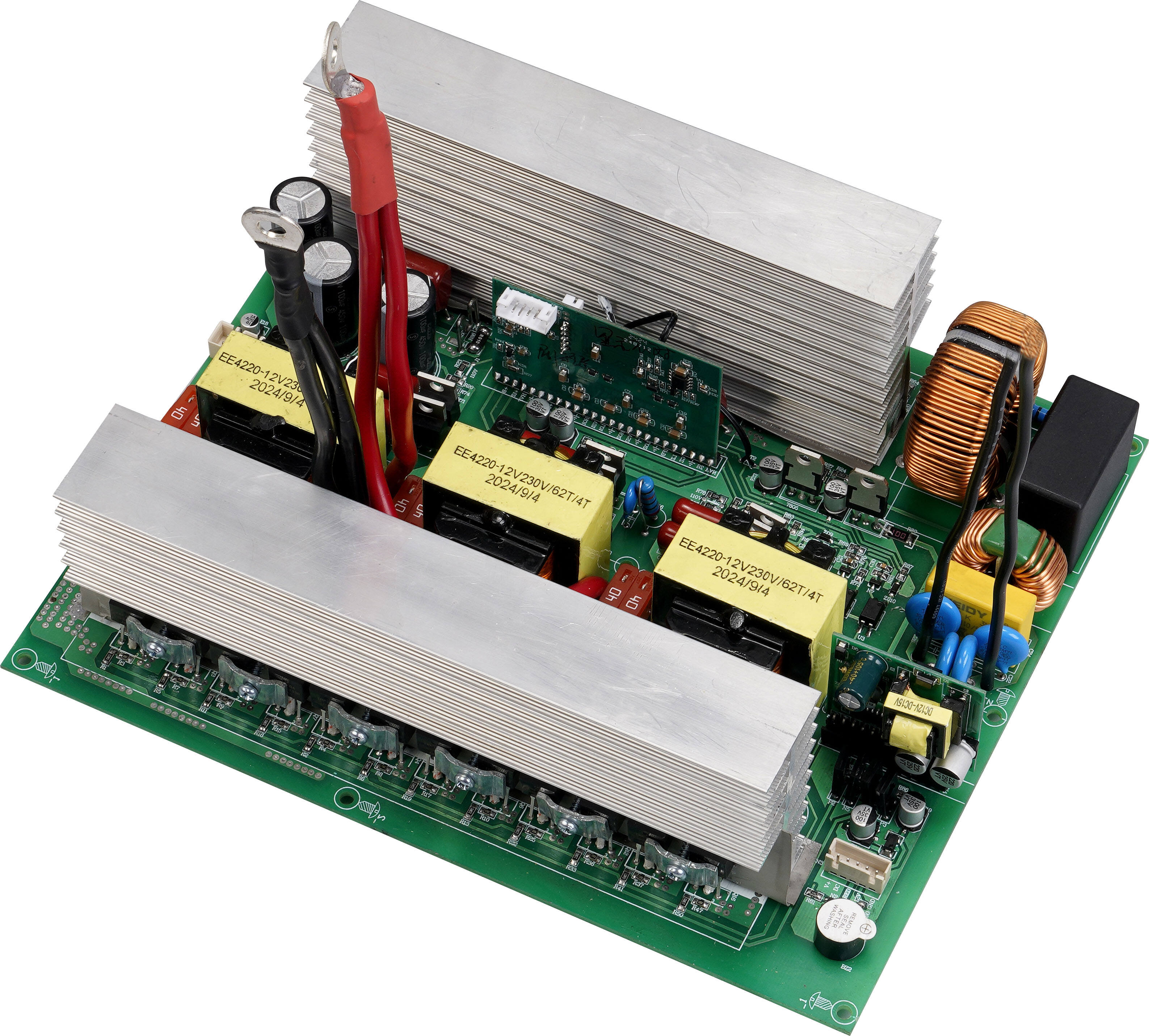
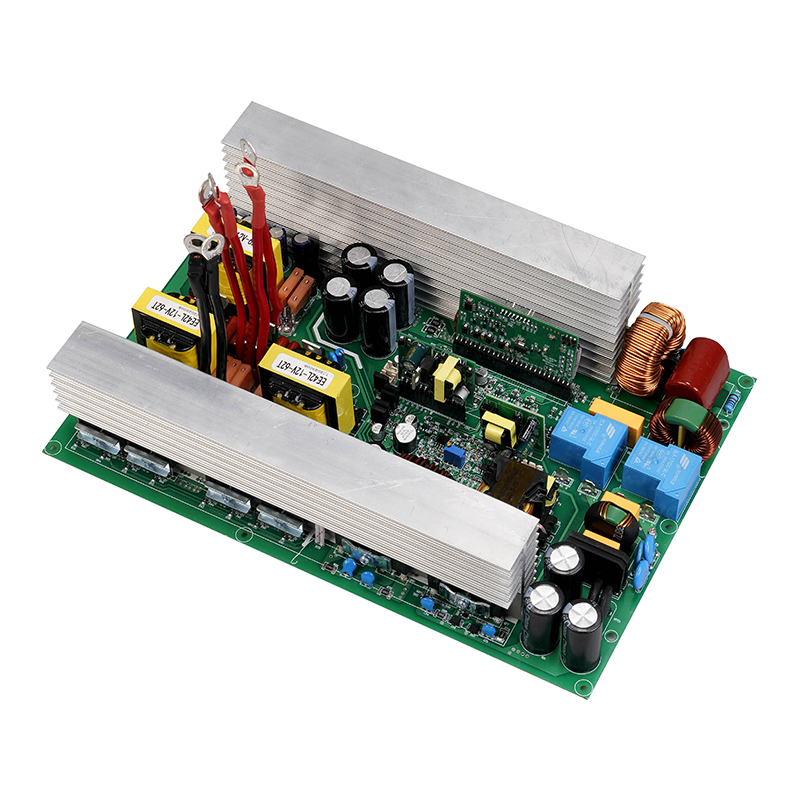
To efficiently convert DC to AC, inverters rely on several essential components, each playing a critical role in the conversion process. These components include transformers, which adjust voltage levels; oscillators, which create the waveforms necessary for AC output; and control circuitry, which manages the switching operations to ensure smooth conversion. The efficiency and performance of an inverter significantly depend on the quality and design of these components. Advanced inverter technology, such as pulse-width modulation (PWM), enhances conversion efficiency, allowing for cleaner and more reliable AC output. Understanding how these components interact helps in appreciating how inverters maximize energy efficiency and support the widespread adoption of renewable energy systems.
At the heart of a power inverter are oscillators and transformers, which play critical roles in converting DC to AC electricity. Oscillators are responsible for generating the alternating current (AC) waveform, a process essential to power conversion. Meanwhile, transformers aid by boosting the voltage to suit specific devices or grid requirements. The interaction between oscillators and transformers is intricate yet crucial; oscillators modulate the frequency while transformers elevate the voltage level, ensuring smooth and efficient energy transition. During conversion, these components harmonize to transform low-voltage, direct current from sources like batteries or solar panels into high-voltage, alternating current, suitable for grid implementation or for running household appliances. The synergy between these elements forms the backbone of inverter technology and its application in solar power systems.
Pulse Width Modulation (PWM) is a sophisticated technique implemented by power inverters to mimic a sine wave output, a necessity for AC power. This method enhances efficiency by varying the width of voltage pulses, thereby reducing harmonic distortions that degrade power quality. PWM allows for a highly controlled and consistent output that closely resembles a pure sine wave, which is vital for sensitive electrical devices and systems. The benefits of PWM are substantial, offering improved inverter efficiency and facilitating better performance in both residential and commercial applications. Furthermore, by reducing the operational noise and heat generation of inverters, PWM contributes to the reliability and longevity of solar batteries and lithium battery systems supporting renewable energy initiatives.
Mechanical and electronic inverters differ fundamentally in their operation and efficiency. Mechanical inverters, rooted in older technology, rely on physical components like rotary alternators to convert DC to AC. While these offer robustness, they are often less efficient and are typically limited to applications requiring basic power conversion. In contrast, electronic inverters use advanced semiconductor technology, including transistors and integrated circuits, making them far more efficient and lightweight. Today’s electronic inverters are favored for their rapid response, adaptability, and efficiency, making them ideal in modern applications that prioritize solar power integration. The shift towards electronic inverters reflects their ability to handle increased demands, providing seamless and energy-efficient solutions critical for progressing toward sustainable-grid systems powered by renewable sources like solar panels.
Modified sine wave inverters are a cost-effective solution that outputs a waveform approximating a square shape. These inverters efficiently power most household devices, such as coffee makers, fans, and basic electronics, making them a popular choice for general applications. However, they come with notable limitations, especially concerning their compatibility with sensitive electronics like medical devices or audio/visual equipment. Such devices might experience efficiency loss, interference, or operational issues when using modified sine wave inverters. Despite their affordability, it's crucial to consider the type of devices you'll be connecting to ensure optimal performance and avoid possible malfunctions.
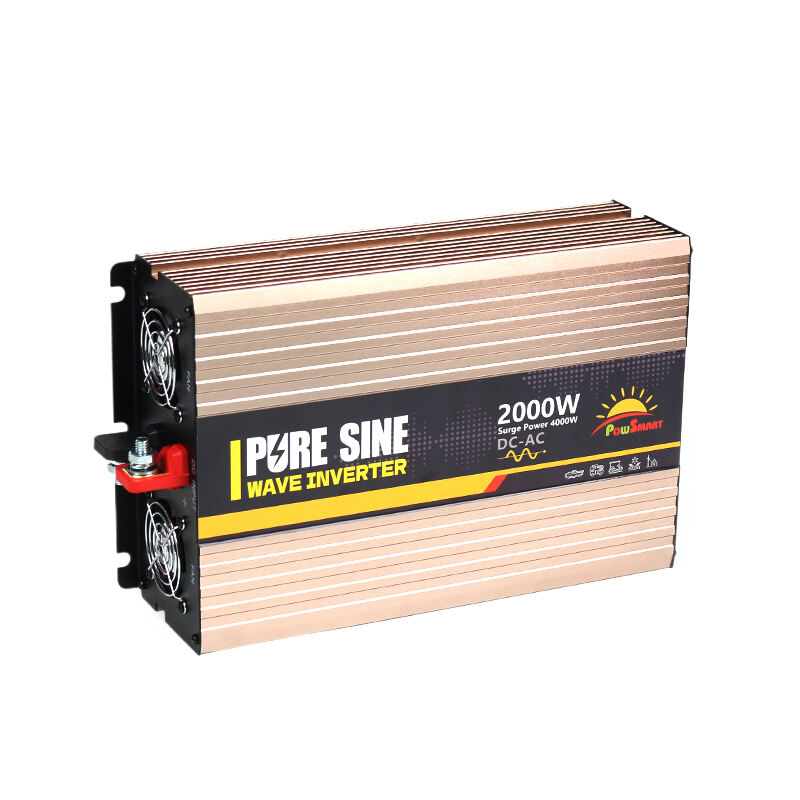
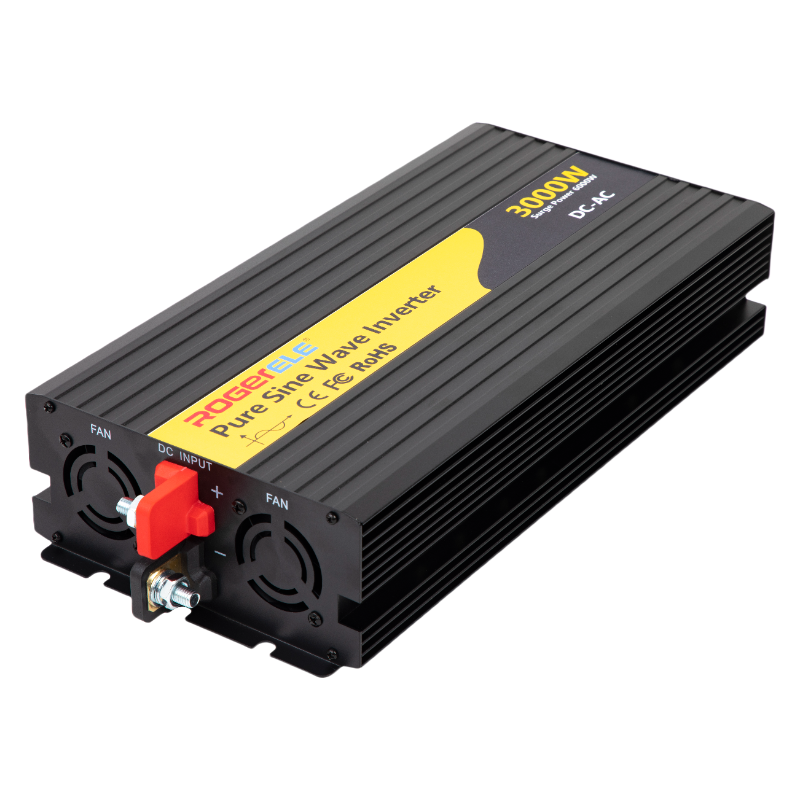
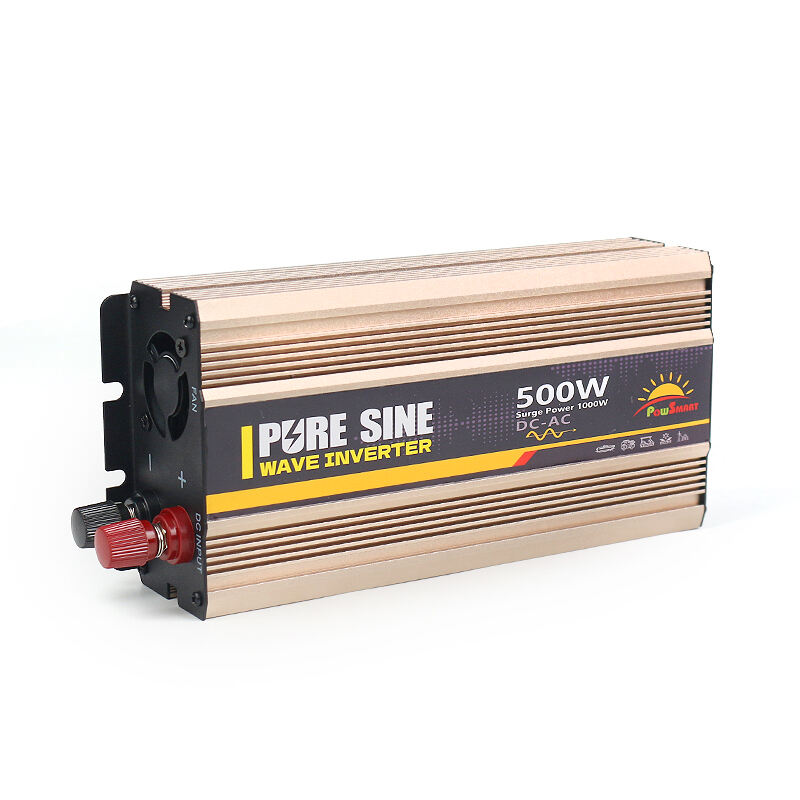
Pure sine wave inverters are designed to provide a clean power output that closely mirrors the natural sine wave generated by mains electricity. This type of inverter is ideal for operating sensitive electronic equipment such as laptops, televisions, and medical devices, ensuring their reliability and longevity. By delivering a consistent and smooth waveform, pure sine wave inverters prevent issues like overheating and signal interference that might arise with modified sine wave options. Although they are generally more expensive, the investment in pure sine wave inverters can be justified by the enhanced protection they offer for crucial and sensitive appliances, ensuring they operate at their optimal capacity.
Solar power inverters play an essential role in solar energy systems by converting the DC output from solar panels into AC power suitable for household or commercial use. These specially designed solar inverters are integral in optimizing solar power utilization, ensuring that the energy captured from the sun is efficiently transformed to meet daily energy requirements. Moreover, pairing them with lithium batteries allows for superior energy storage and management. Lithium batteries boast a longer lifespan and higher efficiency than traditional battery options, enhancing the overall effectiveness of solar power systems. Together, solar inverters and lithium batteries form a robust solution for maximizing sustainable energy output and supporting energy independence.
Power inverters have become indispensable tools for automotive applications, enabling users to power a range of electronic devices directly from their vehicle's battery. Among the most crucial uses are medical devices like CPAP (Continuous Positive Airway Pressure) machines, which individuals with sleep apnea rely on during road trips. Power inverters are also used to run portable coolers, maintaining food and beverages at the right temperature while on the move. The popularity of automotive power inverters is rising due to the convenience they offer, supported by data indicating a growing trend in vehicle usage for travel and outdoor activities.
In residential solar power systems, inverters are essential for converting solar energy into usable household electricity. They facilitate the transition to renewable energy by transforming the DC power from solar panels into AC power used by home appliances. The increasing adoption of solar energy is evident, with statistics reporting a significant rise in solar power installations globally. Power inverters play a pivotal role in this trend by enabling homeowners to maximize their solar energy usage and reduce reliance on non-renewable energy sources. This integration makes solar inverters crucial for harnessing clean, sustainable energy at home.
Power inverters are vital for portable and emergency power solutions, ensuring that essential appliances remain operational during power outages. These devices are particularly useful in scenarios where grid power fails, such as natural disasters or unexpected blackouts. For example, a portable inverter can keep refrigerators, lights, and communication devices running, providing much-needed safety and comfort. Their flexibility makes them ideal for remote locations and outdoor activities, offering reliable AC power when and where it's needed most. In an age of increasing dependence on electronic devices, portable power inverters have become essential for both planned and emergency uses.
Selecting the correct power inverter requires a careful assessment of the necessary wattage and surge capacity. First, I recommend calculating the total wattage of all devices that will be powered by the inverter. For instance, if you plan to run a laptop (50 watts), a light bulb (60 watts), and a fan (70 watts) simultaneously, you need an inverter capable of handling at least 180 watts. Additionally, considering surge capacity is crucial, especially for appliances that require a higher initial power surge to start, like refrigerators or power tools.
To prevent overload and ensure device safety, incorporating a safety margin in your calculations is advisable. This means selecting an inverter with a wattage rating at least 15-20% higher than the total calculated requirement. This precaution not only caters to unexpected spikes in demand but also ensures longevity and reliability of the inverter, minimizing risks of failure during peak usage.
The quality of sine wave output is a critical factor when choosing a power inverter. There are primarily two types of sine wave outputs: pure sine wave and modified sine wave. I suggest opting for a pure sine wave inverter whenever possible, as it produces a smooth, consistent waveform. This type closely mimics the electricity from utility grids, making it ideal for sensitive electronics and appliances like LED TVs, laptops, and medical devices.
In contrast, modified sine wave inverters are generally cheaper but produce a more square-like wave, which can cause issues with certain appliances. For example, devices like laser printers, microwaves, and variable speed motors may not operate efficiently or could even be damaged with modified sine wave power. Thus, understanding the needs and compatibility of devices with sine wave output ensures optimal performance and durability.
Ensuring compatibility between power inverters, solar panels, and battery systems is crucial for efficient operation, particularly when considering solar energy solutions. I advise checking the voltage and current specifications to confirm that the inverter matches the output from the solar panels and the capacity of the battery bank, including lithium battery technologies known for their efficiency and longevity.
Mismatched systems can lead to significant energy losses and reduced performance. For example, pairing an inverter not designed for a high-efficiency lithium solar battery system can lead to inefficiencies and potential damage to both inverter and battery. Effective integration ensures that the solar panels and batteries work seamlessly with the inverter, maximizing the potential of renewable energy systems while maintaining overall longevity and performance.

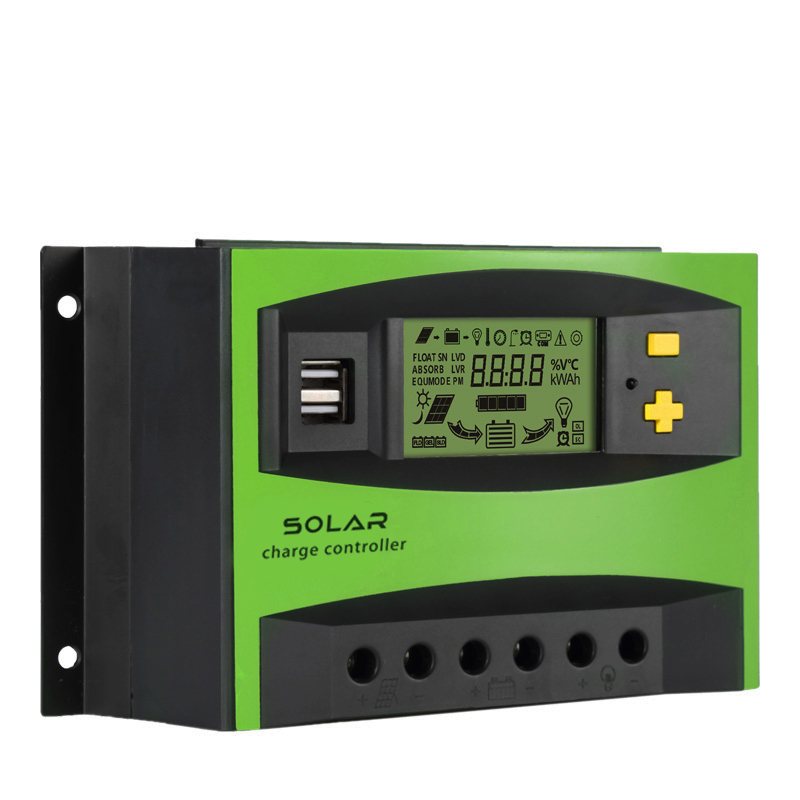
Explore our range of power inverters, solar hybrid inverters, solar charge controllers, and solar panels. Our lithium batteries and solar PV systems ensure optimal energy efficiency and reliability.
No8-88 of Xingye North Road,Youli Industrial Zone,Liushi Town,Yueqing of Wenzhou City, Zhejiang Province
Copyright © 2024 Zhejiang Sunrise New Energy Co., Ltd. Privacy Policy
 EN
EN
 Hot News