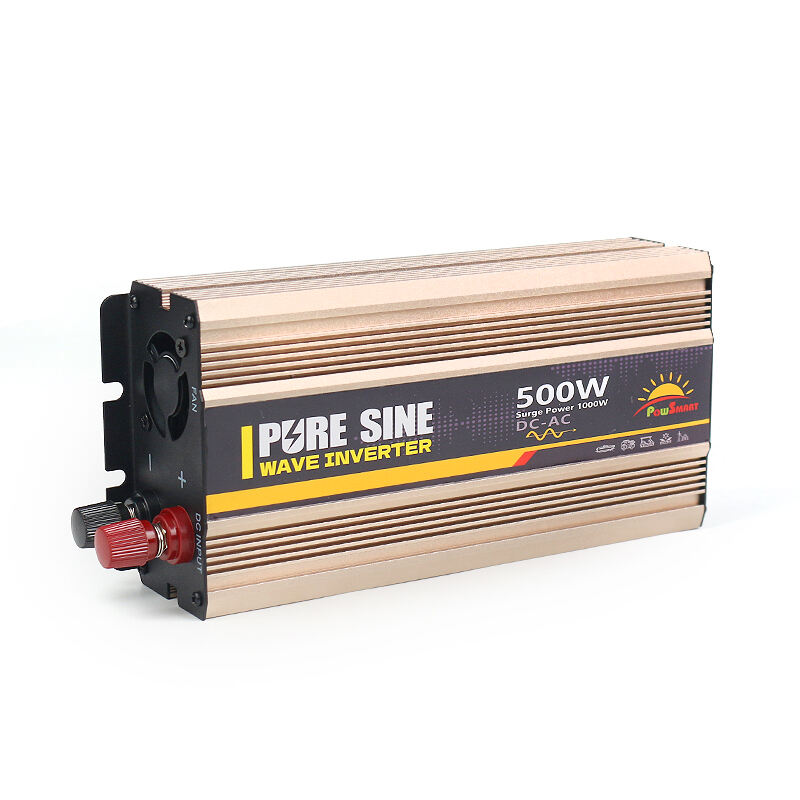
Pure sine wave inverters are pivotal in transforming direct current (DC) from solar panels into alternating current (AC), mimicking the stable waveforms provided by utilities. This technology ensures a consistent energy flow, enhancing the operation of sensitive electronics. The design of pure sine wave inverters boasts energy efficiency rates exceeding 90% under optimal conditions, which is a significant advantage. These inverters are indispensable for devices requiring precise power, such as medical equipment, audio systems, and appliances with AC motors like refrigerators. The smooth waveform they produce prevents issues like noise and overheating, safeguarding the longevity and functionality of delicate electronics.
Modified sine wave inverters, alternatively, deliver power through a simpler waveform that resembles a square wave with additional steps. While this design is cost-effective, it presents limitations, especially with devices sensitive to power quality. Equipment like microwaves or fluorescent lights might operate less efficiently, sometimes producing a noticeable humming sound. Unlike pure sine wave inverters, the modified versions can cause appliances with electronic timers to malfunction, as they rely on the predictable peaks of AC power. Despite their affordability and suitability for basic applications, these inverters could consume approximately 20% more power for motors, impacting their overall efficiency and lifespan.
The quality of inverter waveforms critically influences the performance of solar power systems. Efficient power conversion from solar panels is contingent upon using the right waveform, where pure sine wave inverters often outperform modified ones. For solar installations, compromised waveform integrity could lead to decreased system efficiency and increased wear on components. Renewable energy's prominence is driving the adoption of advanced inverter technologies, as they enhance the effectiveness and reliability of solar setups. By choosing the right converter, we can maximize the benefits of solar power, supporting a more sustainable and energy-efficient future.
Power output quality plays a pivotal role in determining the energy efficiency and usage efficacy of your inverter system. Pure sine wave inverters offer superior power quality compared to their modified counterparts, resulting in higher efficiency ratings. Generally, pure sine wave inverters exhibit efficiency levels exceeding 90% under optimal conditions, enhancing the performance and lifespan of appliances connected to them. Conversely, modified sine wave inverters provide a blocky wave form, leading to increased energy consumption and reduced appliance efficacy. The direct correlation between power quality and appliance performance means that investing in a high-quality inverter can lead to significant benefits in terms of energy savings and reduced wear and tear on sensitive electronics.
Sensitive electronics require specific inverter types to ensure proper operation and longevity. Devices such as medical equipment, laptops, newer TVs, and appliances with electronic timers are classified as sensitive due to their reliance on smooth and consistent electrical current. Research shows that these devices exhibit higher failure rates when powered by modified sine wave inverters due to incompatible waveforms. Real-world examples, such as breakdowns of medical devices or shortened laptop battery lifespan, highlight the importance of using pure sine wave inverters with sensitive electronics. Utilizing the correct inverter not only prevents costly repairs but also protects the integrity and reliability of these devices.
Understanding harmonic distortion is essential as it concerns the interference in power systems that can degrade system performance. Harmonic distortion is primarily caused by non-linear loads, including modified sine wave inverters, which result in a stair-step wave output. This leads to increased noise levels, affecting user experience by inducing buzzing sounds and operational inefficiencies in devices.
Quantitative insights indicate that pure sine wave inverters exhibit minimal harmonic distortion and operate within acceptable noise thresholds suitable for sensitive applications. Experts affirm that using pure sine wave technology ensures a quieter, more stable power supply, thereby enhancing user experience and protecting connected devices from potential harm.
Solar power systems rely heavily on inverters to convert the direct current (DC) generated by solar panels into alternating current (AC), which is the standard electricity used in homes. This conversion is crucial for running household appliances effectively. Inverter generators play a critical role in providing backup power during outages, ensuring that both homes and businesses remain operational when the main grid goes down. Procurement trends in the solar market indicate an increasing demand for inverter generators, as they offer both efficiency and reliability in harnessing solar energy. As solar technology advances, the roles of these devices in energy conversion and storage are likely to expand even further.
In the context of recreational vehicles (RVs) and marine settings, sine wave inverters are indispensable. These inverters provide a stable power supply necessary for the sensitive electronics and appliances commonly found in these environments. Off-grid scenarios present unique challenges, such as varying power needs and reliance on renewable sources. Appropriate inverters help overcome these challenges by providing consistent energy conversion, enabling users to maintain a comfortable and functional living space. Surveys have shown that users in these environments preferentially opt for sine wave inverters due to their reliability and ability to handle diverse power demands, making off-grid living more practical and enjoyable.
Reliable power sources are critical for medical equipment, where the use of sine wave inverters ensures smooth operation without the risk of interference or failure. These inverters are crucial for devices that require a stable and consistent power supply to avoid complications. Moreover, integrating solar batteries with inverters for backup power proves invaluable during emergencies, where uninterrupted power is essential for critical operations. Data indicates that hospitals equipped with reliable inverter systems manage blackouts more efficiently, reducing the risk of power disruptions to life-saving equipment. As such, the role of inverters in healthcare settings is vital for both daily operations and emergency preparedness.
When selecting an inverter, it's crucial to weigh the initial costs against long-term savings. The cost analysis often reveals that while high-quality inverters might have a steeper price, they tend to offer superior efficiency and durability, leading to eventual cost savings. For instance, investing in a pure sine wave inverter can result in lower electricity costs and fewer replacements over time due to its compatibility and efficiency with sensitive devices. Case studies, such as those comparing the lifespan and operational savings of pure sine versus modified sine wave inverters, highlight how the right choice can yield substantial savings in the long term. Therefore, understanding the subtle balance between upfront investment and ongoing savings is key to making a cost-effective purchase.
Creating a comprehensive checklist for determining device compatibility with inverters is crucial in ensuring seamless integration and operation. This checklist should include the assessment of wattage requirements and potential starting surges for the appliances you intend to use. For instance, understanding the wattage needs of devices like microwaves or refrigerators, which generally demand pure sine wave inverters for optimal performance, can prevent compatibility issues. Furthermore, conducting thorough research before making purchase decisions empowers you to match the inverter's output with the necessary load requirements, avoiding the pitfalls of using an incompatible inverter. Utilizing resources like manufacturer's guidelines and user reviews can enhance your understanding and assist in making informed decisions.
As technology evolves, future-proofing your solar power systems is an essential consideration. Identifying trends in inverter technology can guide you toward necessary upgrades ensuring enhanced system performance and efficiency. For instance, the rise in smart inverter designs that align with intelligent grid systems signifies a shift towards more interconnected energy solutions. Recommendations for upgrades often focus on enhancing energy conversion capabilities and integrating features that increase compatibility with renewable energy advancements. As the renewable energy sector grows, investing in solar inverter upgrades that support next-generation functionalities can open up significant growth opportunities, leading to improved sustainability and performance in energy management systems. The strategic selection and implementation of these upgrades ensure you remain aligned with future energy trends.
Explore our range of power inverters, solar hybrid inverters, solar charge controllers, and solar panels. Our lithium batteries and solar PV systems ensure optimal energy efficiency and reliability.
No8-88 of Xingye North Road,Youli Industrial Zone,Liushi Town,Yueqing of Wenzhou City, Zhejiang Province
Copyright © 2024 Zhejiang Sunrise New Energy Co., Ltd. Privacy Policy
 EN
EN
 Hot News