Assessing daily energy usage patterns is crucial to understanding consumption trends and optimizing energy solutions. By analyzing energy usage data, one can identify when and how energy is consumed, providing insights into potential areas for improvement. Utilizing energy monitoring tools, such as smart meters, can help gather accurate consumption statistics and track usage effectively. To calculate average daily energy consumption, it's helpful to review historical energy bills and consider the usage patterns of various appliances within the home. According to the U.S. Energy Information Administration, the average American household consumes 877 kWh per month, serving as a useful benchmark for evaluating your situation.
Identifying peak power demand periods assists in understanding how energy costs may fluctuate and uncover savings opportunities. Typically, peak demand hours occur during mornings and evenings. Using smart meters will give insights into these periods, which can significantly impact energy costs. Recognizing the correlation between high demand periods and energy prices by analyzing past electricity bills allows for strategic planning. Incorporating solar hybrid systems can mitigate high costs associated with peak demand by providing alternative power sources during these crucial times.
Anticipating future energy needs involves projecting future consumption trends based on lifestyle changes and potential adaptations. Factoring in changes such as growing family size or the acquisition of electric vehicles can help estimate future energy usage. This foresight allows for more efficient system design to accommodate anticipated demands. Additionally, reviewing local regulations and incentives may affect energy consumption and generation, therefore influencing future energy needs. Utilizing historical data to predict energy needs, alongside understanding consumption trends, supports proactive approach to planning and designing sustainable energy solutions.
Inverter efficiency ratings play a crucial role in determining the overall performance of hybrid solar systems. High-efficiency inverters ensure that more of the solar energy generated is converted into usable electricity, which can lead to better energy savings and return on investment (ROI). Modern inverters boast impressive efficiency rates of up to 98%, making them an attractive choice for those looking to optimize their solar systems. One key feature to consider is Maximum Power Point Tracking (MPPT) technology, which enhances energy harvest by ensuring solar panels operate at their optimum power output.
Addressing battery storage compatibility involves focusing on the voltage and chemistry of solar batteries, which are essential for the seamless integration with inverters. It's important to understand the different types of batteries available, such as lithium-ion and lead-acid, each offering unique benefits and compatibility with solar systems. Lithium-ion batteries are known for their high efficiency and long lifespan, albeit at a higher cost. In contrast, lead-acid batteries might be more budget-friendly but come with higher maintenance demands. The choice of battery impacts not only the lifespan but also the efficiency of the solar hybrid system overall.
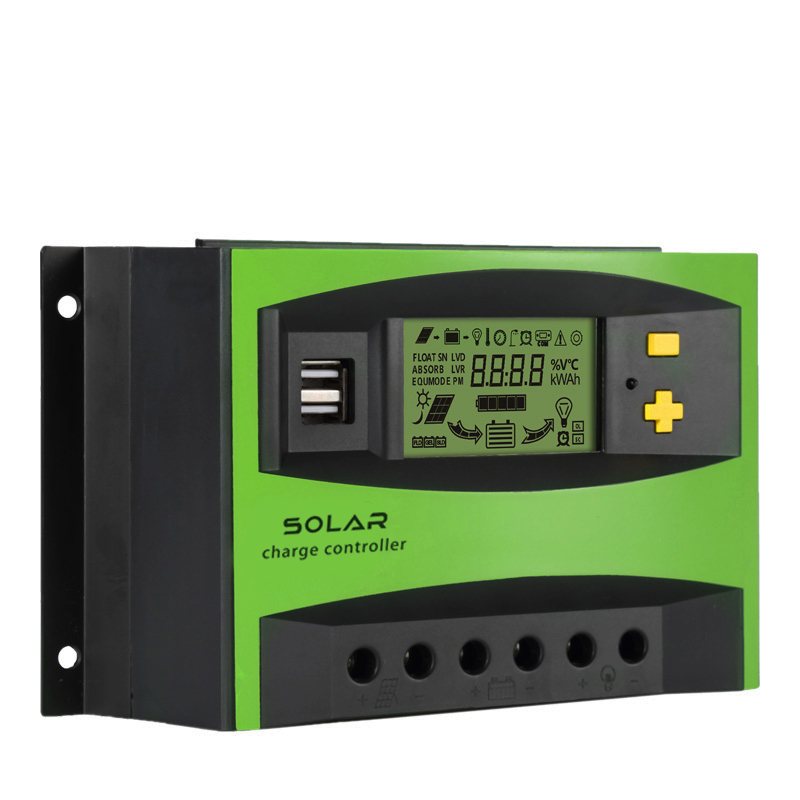
Charge controllers play a pivotal role in maintaining the health of batteries and ensuring system efficiency within hybrid solar setups. Understanding the types of charge controllers available, such as Pulse Width Modulation (PWM) and MPPT, is essential in selecting the right fit for your system. PWM controllers are simpler and more affordable, making them ideal for smaller systems, whereas MPPT controllers offer superior efficiency and adaptability, particularly in variable climate conditions. Effective integration strategies involve ensuring compatibility with your battery type and system voltage, as well as proper installation to prevent issues like overcharging and to maximize battery lifespan.
Achieving the optimal ratio between solar array size and inverter capacity is crucial for ensuring efficient energy production based on your specific energy demands. A properly sized system can prevent inefficiencies and potential failures that arise from mismatched components. Typically, a common rule of thumb suggests a ratio of around 1.2:1, where the solar array's capacity is slightly larger than the inverter's capacity to maximize performance without overloading the system. This approach not only helps in maintaining a smooth operation but also accommodates temporary surges in energy production due to varying sunlight conditions.
Sizing battery banks appropriately is essential for achieving desired energy resilience, particularly during power outages. When planning your hybrid solar system, consider factors such as expected energy usage and the duration of potential power outages. Statistical data from the National Renewable Energy Laboratory (NREL) supports the importance of adequately sized energy storage; it shows that proper sizing ensures stability, especially during peak demand hours. By evaluating these elements, you can help ensure uninterrupted energy supply and contribute to overall system resilience.
Modular design in solar hybrid systems allows for scalability to meet evolving energy needs. By exploring modular expansion options, you set the foundation for easy future enhancements, adapting the system as your energy demands grow. Future-proofing your system involves addressing potential increased energy needs upfront, which can save time and money on subsequent expansions. Additionally, planning for extra capacity ensures your system remains flexible and adaptive, accommodating technological advancements and increased energy consumption efficiently. By incorporating these strategies, you establish a robust framework for ongoing solar energy utilization and long-term sustainability.
Understanding and adhering to grid interconnection guidelines is crucial when installing solar hybrid systems, as regulations differ across regions. Essential requirements often include permits, utility notifications, and interconnection agreements, which are designed to ensure system compatibility and safety. It's important to note that failure to comply with these local regulations can result in costly penalties and even system shutdowns. Comprehending these rules helps smooth the installation process and secure long-term operational success.
Islanding protection is a vital safety feature that prevents back-feeding into the grid during power outages. Standards such as those mandated by the National Electrical Code (NEC) specify the required protections to prevent unintentional islanding, safeguarding both the system and the grid. Implementing technologies that comply with these standards is necessary to ensure the grid's stability and the system's safe operation, and it prevents accidents that could endanger personnel or infrastructure.
For solar hybrid systems to integrate seamlessly into household and grid infrastructures, configuring split-phase systems to meet 120/240V AC requirements is essential. This configuration offers improved system performance and greater flexibility in energy usage, allowing households to manage power consumption efficiently. Additionally, adhering to local codes during installation helps streamline the process and ensures reliable operation. By addressing these requirements, users can enhance their system's efficiency and safety.
Using IP65-rated enclosures for outdoor installations is crucial to safeguard solar systems from harsh environmental conditions. These enclosures are designed according to IEC standards to protect the systems from dust and water ingress, which are common threats in outdoor settings. For example, preventing dust accumulation and moisture from reaching sensitive components ensures efficient operation and reliability. Additionally, selecting the suitable protection level can significantly enhance system longevity and cut down on maintenance expenses, making it a smart investment for any solar installation.
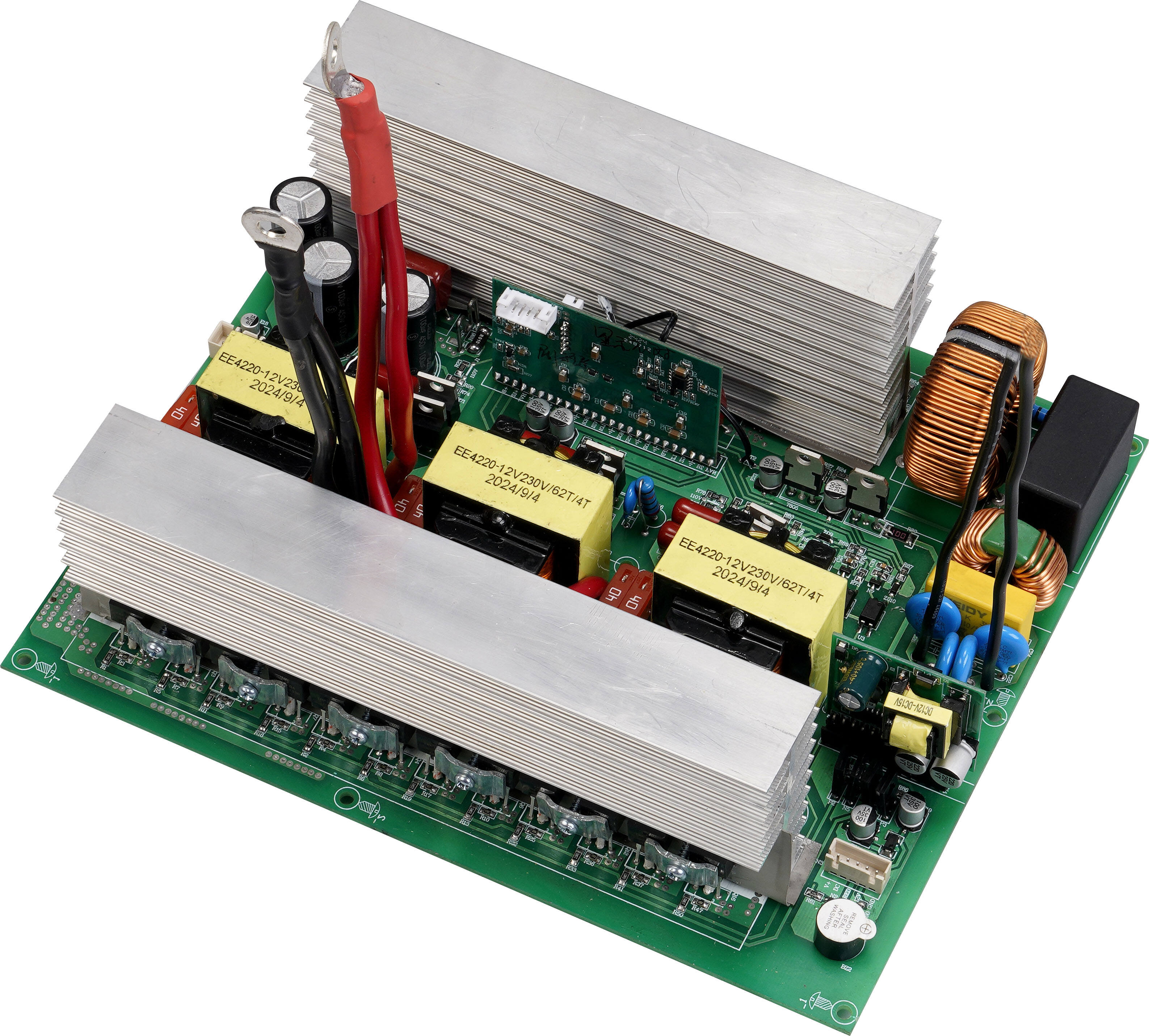
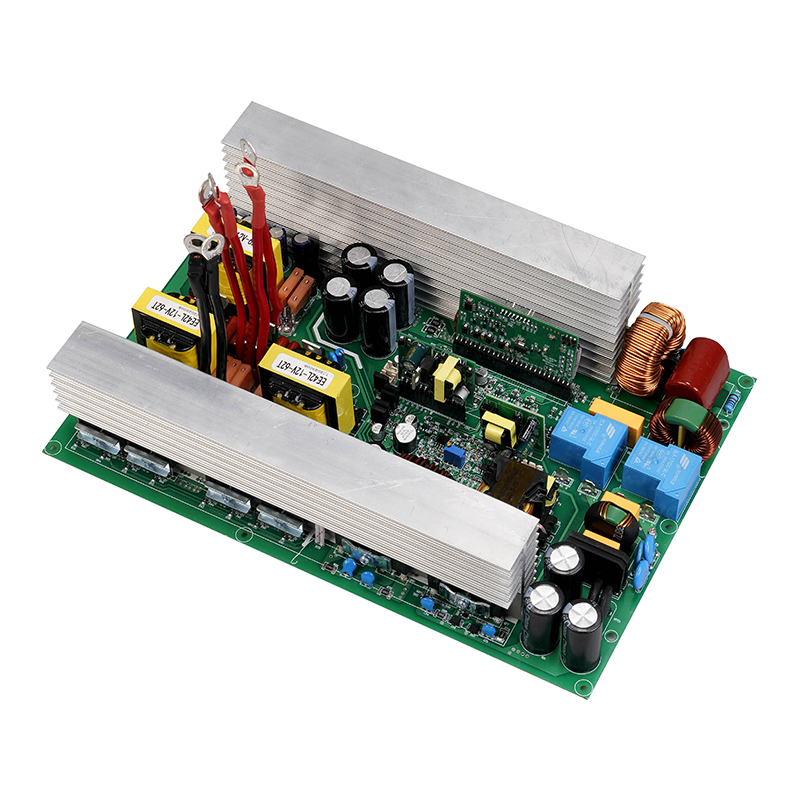
Effective thermal management is essential for protecting components from overheating and damage, especially in extreme conditions. Employing techniques like ventilation, heat sinks, and strategic component placement can ensure optimal cooling. For instance, positioning solar panels to allow for natural airflow can reduce the risk of overheating. Similarly, incorporating heat sinks can dissipate excess heat more efficiently. Evidence supports this approach; studies indicate that efficient thermal management can substantially increase the lifespan of solar equipment. Such measures not only preserve the hardware but also uphold the system's performance.
Real-time performance tracking solutions are invaluable for optimizing the performance of solar hybrid systems. These tools monitor and analyze data continuously, providing insights into system efficiency and identifying any issues promptly. Notably, the advantage of implementing these monitoring solutions is significant; real-time tracking has been shown to enhance system efficiency by up to 20%. By enabling immediate detection and rectification of anomalies, these solutions improve the overall effectiveness of the solar system, ensuring that energy production remains at its peak.

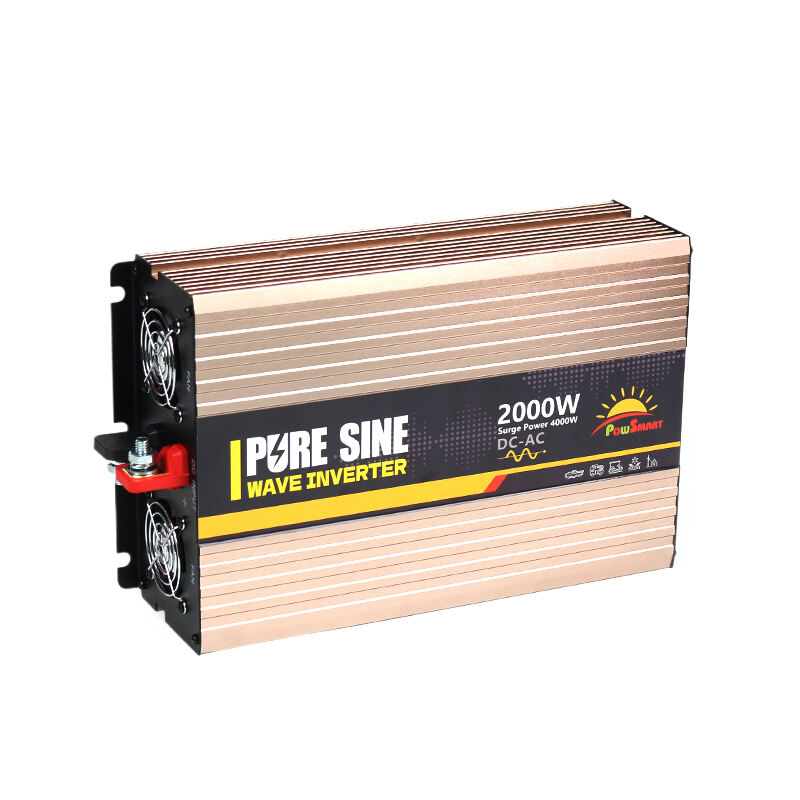
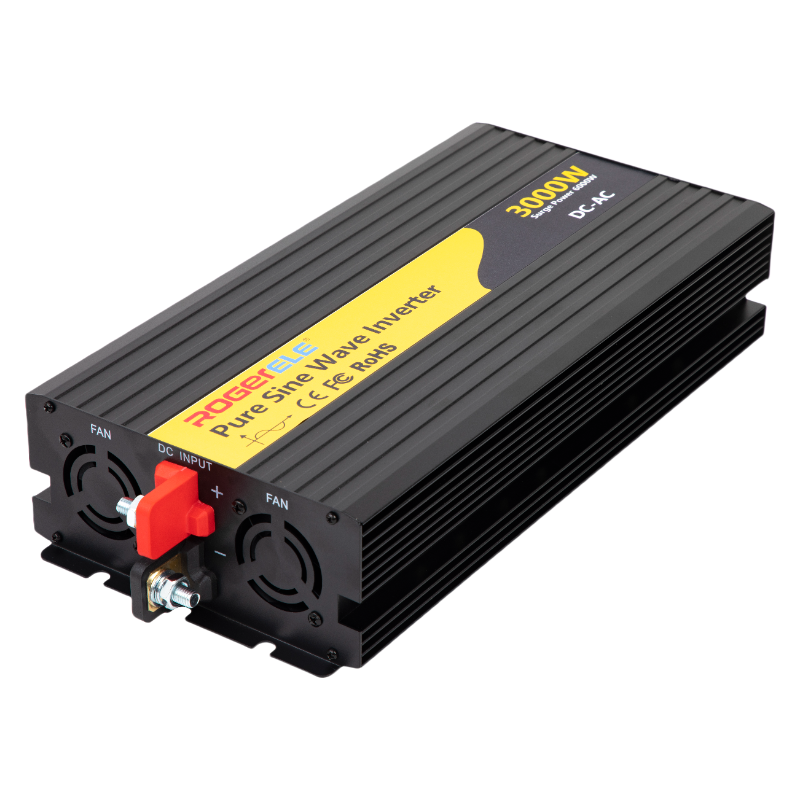
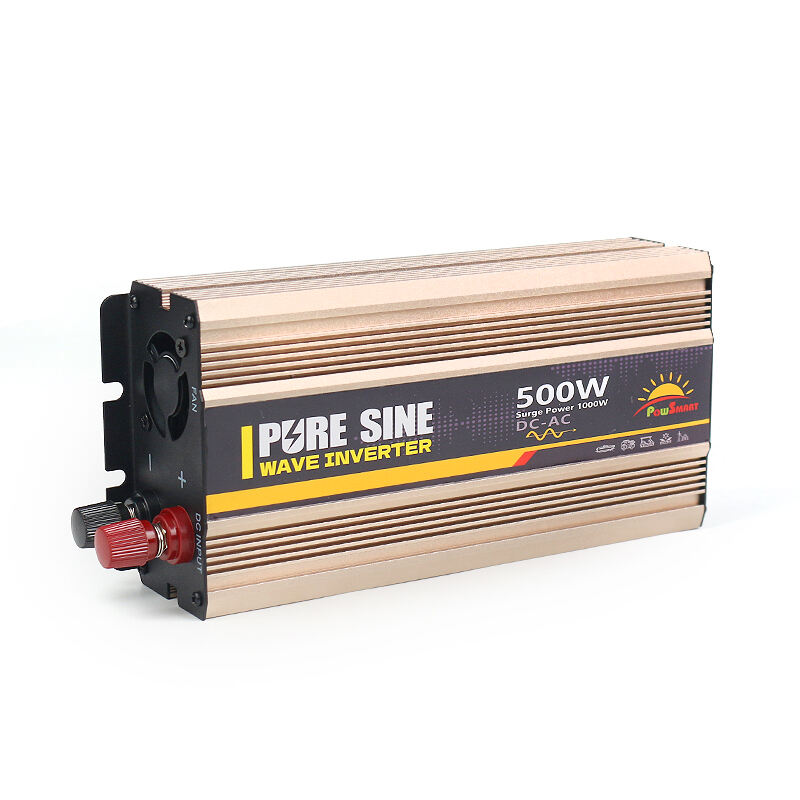
Explore our range of power inverters, solar hybrid inverters, solar charge controllers, and solar panels. Our lithium batteries and solar PV systems ensure optimal energy efficiency and reliability.
No8-88 of Xingye North Road,Youli Industrial Zone,Liushi Town,Yueqing of Wenzhou City, Zhejiang Province
Copyright © 2024 Zhejiang Sunrise New Energy Co., Ltd. Privacy Policy
 EN
EN
 Hot News