Power inverters are at the heart of modern energy systems, responsible for converting direct current (DC) from sources like solar panels, batteries, or wind turbines into alternating current (AC) suitable for household appliances, industrial equipment, and the grid. Their efficiency directly impacts overall system performance, energy costs, and long-term reliability. In the era of renewable energy adoption, knowing how inverter efficiency works can help homeowners, businesses, and energy professionals make smarter purchasing and design decisions.
What Is Power Inverter Efficiency?
Power inverter efficiency refers to the percentage of input power successfully converted into usable output power, with the rest lost mainly as heat. For example, if a 1000-watt inverter outputs 950 watts while consuming 1000 watts of input, its efficiency is 95%. High efficiency means less wasted energy, lower operating costs, and smaller cooling requirements. Manufacturers typically list peak efficiency (maximum possible under ideal conditions) and weighted efficiency (averaged across varying loads, which better reflects real-world performance).
Why Efficiency Matters ?
A few percentage points in efficiency can translate into significant cost savings and environmental benefits over time. For solar installations, a 2% improvement in inverter efficiency could mean hundreds of kilowatt-hours of additional usable energy each year. For off-grid systems powered by batteries, higher efficiency extends battery runtime and reduces charging frequency. In large-scale applications like commercial solar farms, efficiency gains can yield substantial returns on investment and lower greenhouse gas emissions.
Key Factors Affecting Inverter Efficiency
1. Inverter Topology
Different inverter designs—such as string inverters, microinverters, and hybrid inverters—exhibit different efficiency profiles. String inverters often have high peak efficiencies, while microinverters offer better partial-load performance, which can matter in shaded or variable light conditions.
2. Load Conditions
Inverters do not always operate at their peak efficiency. Light loads or loads near the inverter’s maximum rating can result in slightly lower efficiency. Weighted efficiency ratings give a more realistic picture of day-to-day operation.
3. Temperature
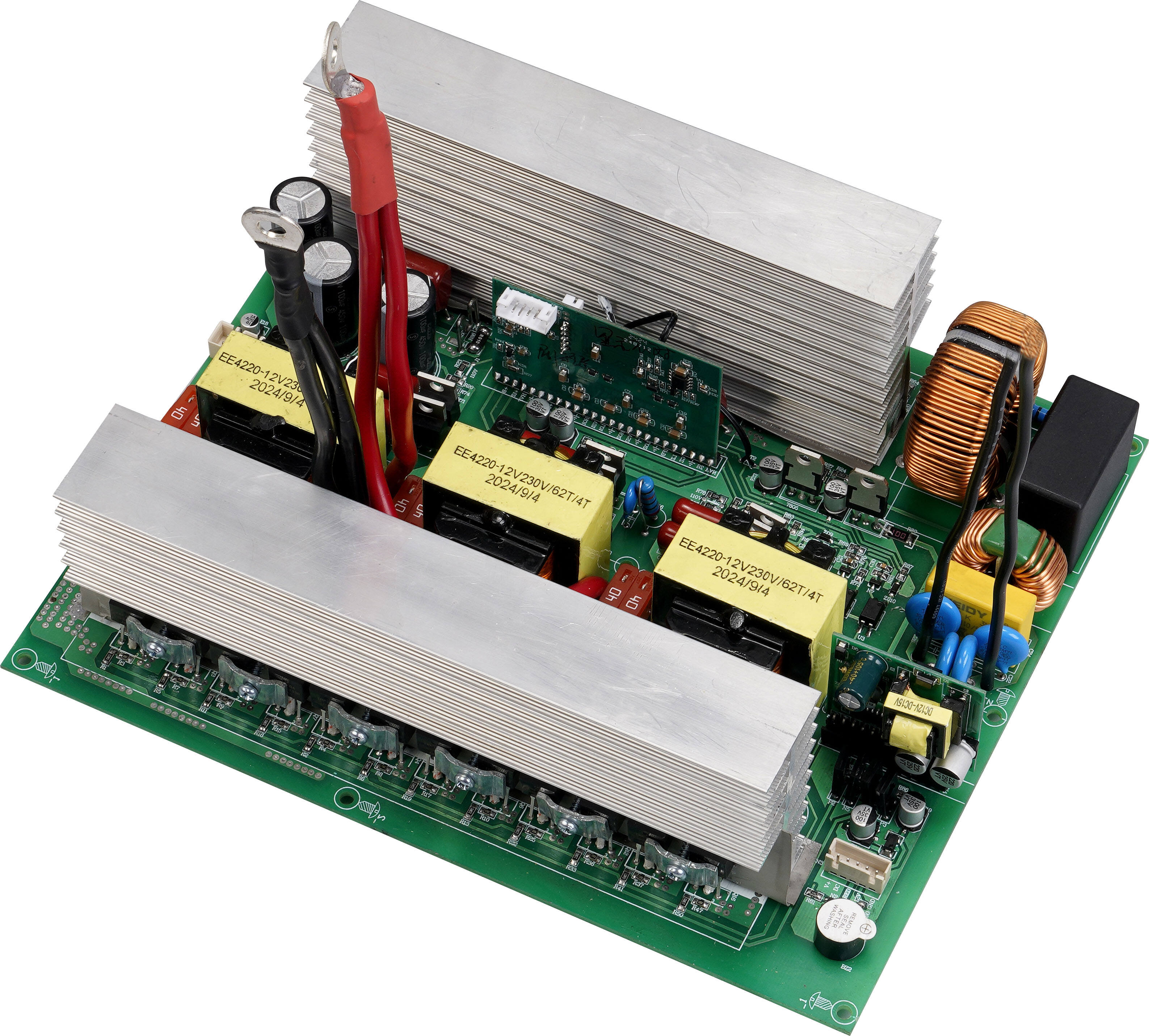
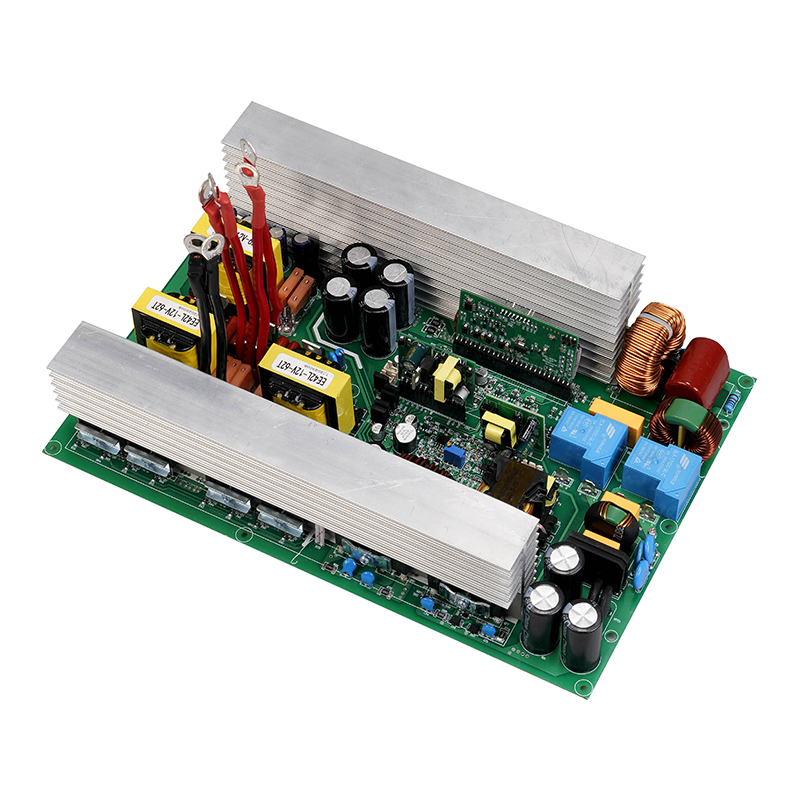
Like most electronics, inverters perform best within certain temperature ranges. Excess heat can lower efficiency and even damage components over time. Quality inverters feature built-in cooling systems—either passive (heat sinks) or active (fans)—to maintain optimal performance.
4. Component Quality
The quality of semiconductors, transformers, and control electronics inside the inverter plays a huge role. Premium components have lower electrical resistance and better thermal stability, reducing energy loss.
Two common efficiency metrics help buyers compare inverters:
Peak Efficiency: The highest efficiency an inverter can achieve under optimal load and temperature conditions.
European Weighted Efficiency: A more realistic measure that accounts for the inverter’s performance at different loads throughout the day, particularly for solar applications.
For example, an inverter might have a peak efficiency of 98% but a European weighted efficiency of 96.5%. That 1.5% difference reflects the realities of changing sunlight and load patterns.
For home solar systems, even small efficiency improvements can increase the annual energy harvest. Choosing an inverter with at least 96% weighted efficiency is generally recommended.
In large-scale installations, inverter efficiency can dramatically influence operational profitability. Here, cooling systems, durability, and ease of maintenance also become major considerations.
When every watt counts—such as in RVs, boats, or remote homes—high-efficiency inverters extend battery life and minimize fuel usage for backup generators.
Maximum Power Point Tracking (MPPT) technology is a critical feature in modern inverters, ensuring that the system extracts the maximum possible power from solar panels regardless of variations in sunlight or temperature. High-quality MPPT algorithms can boost overall system efficiency by 5–10% compared to non-MPPT models.
| Inverter Model | Peak Efficiency | Weighted Efficiency | Annual Output (kWh) from 5kW System |
|---|---|---|---|
| REP3000-C | 92% | 90% | 6,000 |
| REP3000-B | 95% | 90% | 6,000 |
| REP2000-B | 92% | 90% | 4,000 |
The inverter market is rapidly advancing, with manufacturers pushing efficiency limits beyond 99% in laboratory settings. Innovations such as silicon carbide (SiC) semiconductors and AI-driven load optimization are making their way into commercial products. These developments promise not only higher energy yields but also longer lifespan, reduced size, and improved integration with smart grids and energy storage.

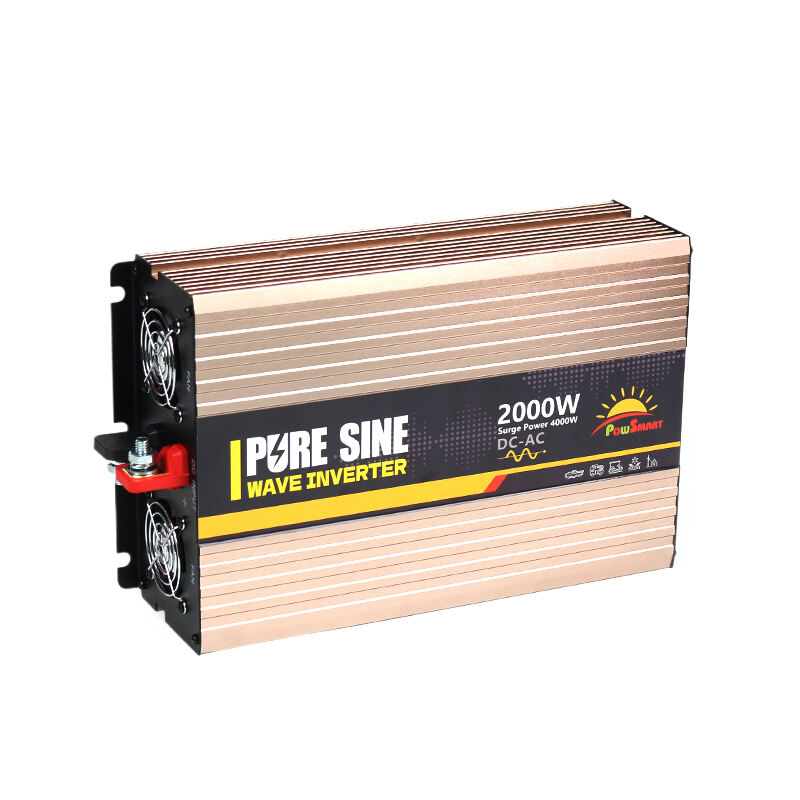
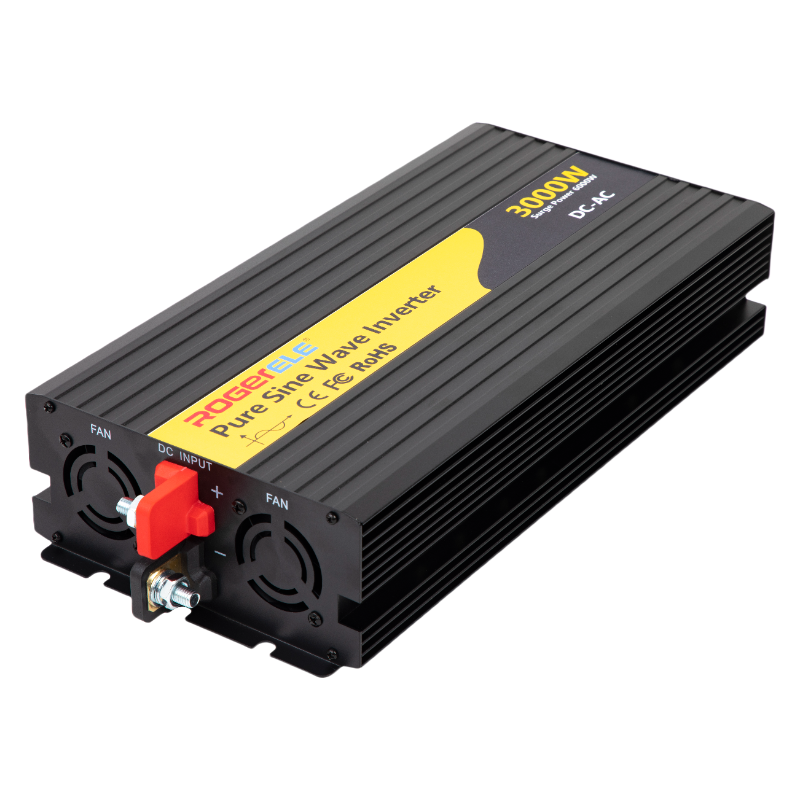
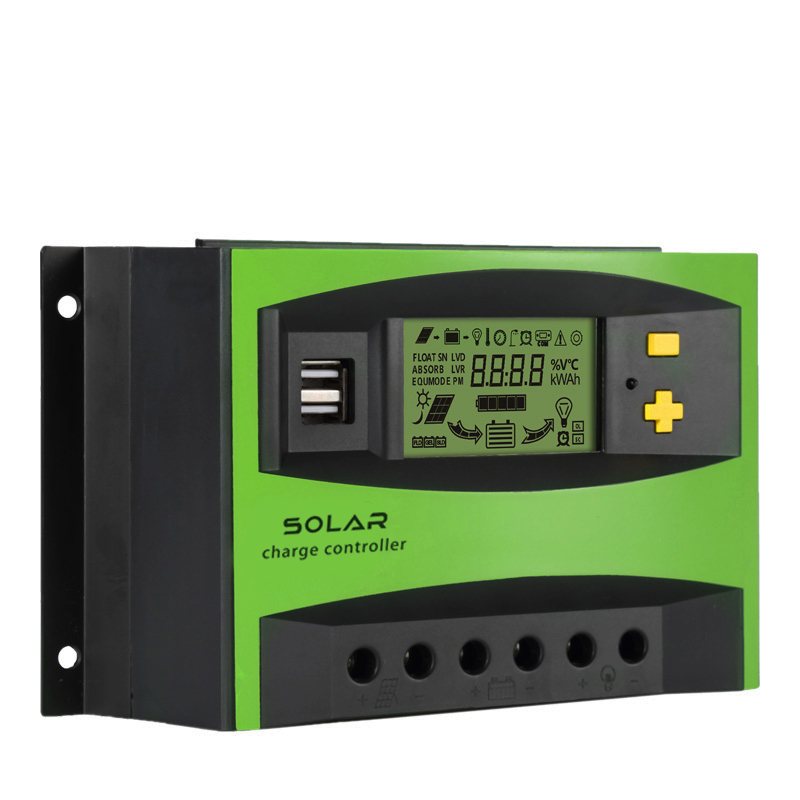
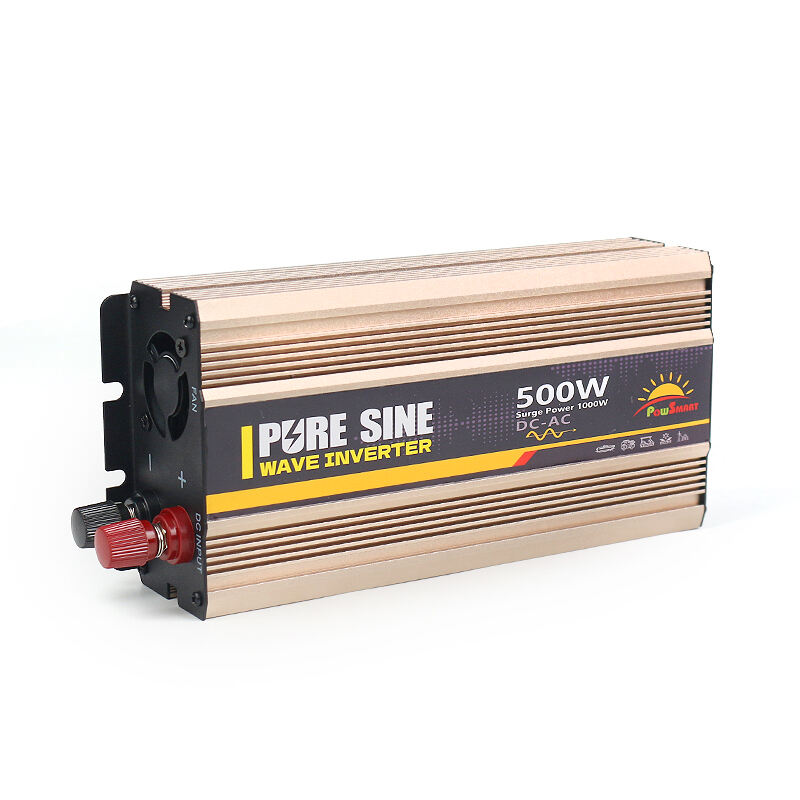
Explore our range of power inverters, solar hybrid inverters, solar charge controllers, and solar panels. Our lithium batteries and solar PV systems ensure optimal energy efficiency and reliability.
No8-88 of Xingye North Road,Youli Industrial Zone,Liushi Town,Yueqing of Wenzhou City, Zhejiang Province
Copyright © 2024 Zhejiang Sunrise New Energy Co., Ltd. Privacy Policy
 EN
EN
 Hot News